Locations:





Cleveland Clinic among first users of the Inspiris Resilia valve
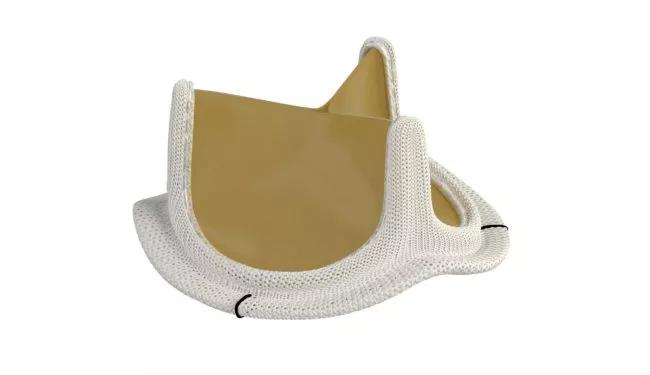
Image content: This image is available to view online.
View image online (https://assets.clevelandclinic.org/transform/d12c6c07-d407-406e-ab3d-28041d8e846e/inspiris-valve-outside-view-12-HR-650x375_jpg)
inspiris-valve-outside-view-12-HR-650×375
Cleveland Clinic has performed some of the very first commercial U.S. implantations of the Inspiris Resilia aortic valve following the device’s FDA approval last year. The successful operations, performed in several patients in mid-January, follow Cleveland Clinic’s investigational use of the bovine pericardial bioprosthesis in numerous patients as part of the ongoing multicenter COMMENCE trial, whose two-year results formed the basis for FDA approval (see prior Consult QD post). Cleveland Clinic investigators plan to soon report three-year results of the COMMENCE trial, which remain positive.
Advertisement
Cleveland Clinic is a non-profit academic medical center. Advertising on our site helps support our mission. We do not endorse non-Cleveland Clinic products or services. Policy
“We are proud to be among the very first U.S. centers to offer this promising new bioprosthesis to appropriate surgical aortic valve replacement (AVR) patients outside of a research context,” says cardiothoracic surgeon Lars Svensson, MD, PhD, Chairman of Cleveland Clinic’s Miller Family Heart & Vascular Institute.
Dr. Svensson performed Cleveland Clinic’s first commercial implantations of the Inspiris Resilia device and is an investigator with COMMENCE. He says the new prosthesis is notable in several ways:
That pliability enabled Dr. Svensson to combine use of the Inspiris prosthesis with placement of a composite valve graft in one of the cases he performed in mid-January — the first time the new prosthesis has been used in such a combination. The composite valve graft was needed to address an aortic root aneurysm with valve stenosis.
Advertisement
He notes that while this pliability and the resulting option for later valve-in-valve procedures is welcome, the new device’s greatest prospective benefit lies in its potential for longer durability relative to other bioprostheses. “If it is proven over the long term, it would be a game changer for younger patients,” he says.
On that score, the latest COMMENCE results — through three years of follow-up — remain encouraging. “The clinical outcomes and freedom from structural failures observed at two years have been maintained,” Dr. Svensson says.
Photo of Inspiris Resilia valve courtesy of Edwards Lifesciences.
Advertisement
Advertisement
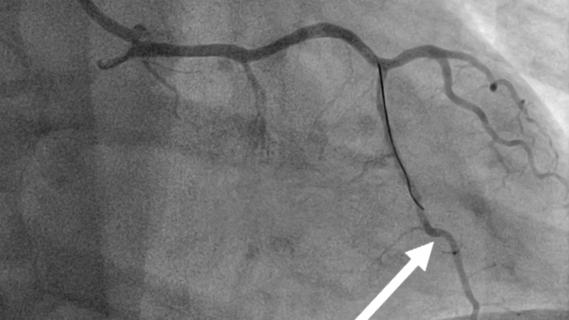
For severe cases, complete unroofing of the bridge is imperative
Lower threshold expanded revascularization candidacy without raising early complication rates

Elevated levels of the gut microbial metabolite predict prevalence and adverse outcomes in community-based study
They generally depend on the mutated gene, clone size and clinical setting
Large analysis adds to evidence that absolute diameter alone may miss vulnerable patients
Procedure places the center among only a handful worldwide to offer the minimally invasive approach

Phase 1 trial shows up to 97% decrease through 48 weeks with good tolerability

Post hoc ALPACA analysis boosts biological rationale for ongoing outcomes trial of lepodisiran
 Search