Locations:





New approach empowers providers to recognize and reduce risk in patients with neurological disorders
Podcast content: This podcast is available to listen to online.
Listen to podcast online (https://www.buzzsprout.com/2243576/19772948)
The ongoing uncertainty of living with a chronic neurological disease can take an emotional toll that patients may be reluctant to share. Yet a clinician’s ability to recognize the psychological and physical challenges that accompany these diagnoses remains an essential element of comprehensive care – and a meaningful opportunity for healing.
Advertisement
Cleveland Clinic is a non-profit academic medical center. Advertising on our site helps support our mission. We do not endorse non-Cleveland Clinic products or services. Policy
“The risk of suicide is treatable, but intervention is key,” says Cleveland Clinic psychologist Brianne Markley, PhD. “By identifying changes in a patient’s mood, behavior and social functioning — and knowing what steps to take when concerns arise — providers can make a critical difference in patient safety and well-being.”
At Cleveland Clinic’s Mellen Center for Multiple Sclerosis, a revised multidisciplinary protocol is helping providers assess suicide risk in patients with neurological disease and determine when hospitalization is necessary. Dr. Markley says the framework was designed to empower clinicians in every discipline to confidently address behavioral health crises.
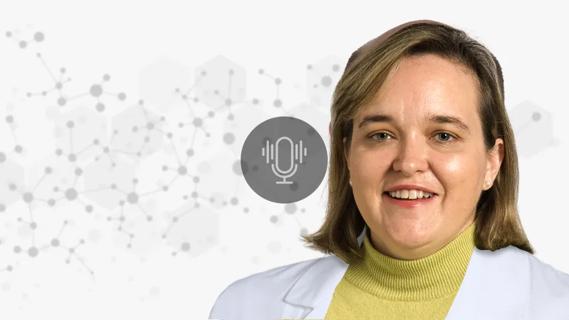
In the latest episode of Cleveland Clinic’s Neuro Pathways podcast, Dr. Markley describes the new protocol and the biopsychosocial factors that contribute to suicidal ideation in patients with neurological disease, details warning signs and changes clinicians should watch for, and stresses the importance of clear communication and shared decision-making. She also provides strategies for safety planning and determining appropriate levels of care and explains the role caregivers play in creating trust and reducing stigma.
Click the podcast player above to listen to the 30-minute episode now or read on for a short, edited excerpt. Check out more Neuro Pathways episodes at clevelandclinic.org/neuropodcast or wherever you get your podcasts.
This activity has been approved for AMA PRA Category 1 Credit™ and ANCC contact hours. After listening to the podcast, you can claim your credit here.
Advertisement
Podcast host Glen Stevens, DO, PhD: You’ve said it’s important to view suicidal ideation through a biopsychosocial lens when managing patients with chronic neurological disease. Can you expand on that?
Dr. Markley: I primarily work with patients with multiple sclerosis and other autoimmune neurological disorders, so [my team and I] are focused on biological factors like neuroinflammation and their impact on neurotransmitters, including dopamine and serotonin. We're also addressing relevant factors like demyelination, lesion burden and the patient’s response to steroid-based treatments.
Unfortunately, this population is at greater risk of developing mood-related problems, and there’s a lot going on – biologically speaking – that can contribute to increased suicidal ideation. We’re managing the depression and anxiety that can co-occur with neurological diagnoses, but we're also helping patients navigate more specific psychological problems: adjusting to a chronic diagnosis, uncertainties about the disease course and potential changes in self-concept.
Importantly, we’re also addressing physical symptoms – both visible and invisible – and how they impact social engagement. We want to help patients guard against the “burden” mentality…in which they may believe they’re a burden on their loved ones or feel they can't engage with others as meaningfully as they used to.
Dr. Stevens: I'm a big advocate for forming strong relationships with patients that enable frank discussions, but those conversations can be difficult for some physicians. How can we get more comfortable talking about sensitive subjects like mental health?
Advertisement
Dr. Markley: I’m sure many clinicians can relate: How do I [prioritize] my patient’s safety while managing the discomfort I feel? While we all work in different subspecialties, we share a responsibility to protect the welfare of our patients. I’d like to remind providers that conversations [about mental health] don’t need to feel comfortable. The talk doesn't have to be easy – it just needs to be had.
If you create a space in which patients are willing to confide in you, you don't have to have the finesse of a psychologist to discuss hard truths. Ultimately, your patients need to know they can trust you. You can navigate the situation together, even if it feels a little bit clunky. What matters most is your willingness to say, "I care about you. Thank you for sharing that with me. I want to help make sure that you have what you need to be safe and well." If a patient trusts you enough to be vulnerable, you're already doing a lot of things right.
Advertisement
Advertisement

Integrating behavioral health expertise into the management of complex neurological disorders

Systemic framework outlines safe, patient-centered discontinuation strategies

Reducing symptoms through multidisciplinary care and thoughtful environmental design

Strengthening patient care through thoughtfully created spaces

Standardized approach empowers providers to recognize risk in patients with MS and coordinate timely care

Protecting maternal health through clinician education and timely psychiatric interventions

Complex presentation underscores the overlap between MS-related complaints and bipolar-spectrum illness
How hormonal transitions shape women’s mental health across the lifespan
 Search