Locations:





Reducing symptoms through multidisciplinary care and thoughtful environmental design
Podcast content: This podcast is available to listen to online.
Listen to podcast online (https://www.buzzsprout.com/2243576/19635987)
For hospitalized patients, a sudden change in cognition or behavior can be more than a temporary response to illness or an unfamiliar environment. It may be delirium — a common but serious condition that can prolong hospitalization, complicate recovery and take an emotional toll on patients, families and caregivers.
Advertisement
Cleveland Clinic is a non-profit academic medical center. Advertising on our site helps support our mission. We do not endorse non-Cleveland Clinic products or services. Policy
Characterized by acute, fluctuating changes in cognition and attention, delirium may include changes in sleep-wake cycles, hallucinations, paranoia, agitation and mood. The disorder occurs in approximately 30% of patients on regular nursing floors and up to 60% of patients in intensive care units.
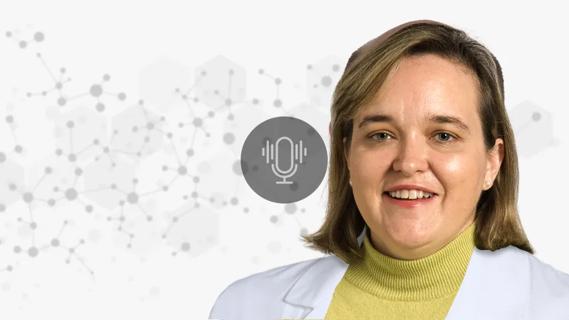
“Preventing and managing delirium is a shared responsibility — it belongs to all of us," says Anna Shapiro-Krew, MD, Director of Epilepsy Psychiatry at Cleveland Clinic's Neurological Institute. "By working together to identify a patient’s baseline, recognize changes early and address contributing factors, we can create a therapeutic environment that supports recovery and safety.”
In the latest episode of Cleveland Clinic’s Neuro Pathways podcast, Dr. Shapiro-Krew and Christopher Strayhan, BSN, RN, a nurse manager in the neuro ICU, explain how multidisciplinary care, early mobilization and environmental design can help reduce delirium and support recovery in hospitalized patients. They also discuss the prevalence and impact of the disorder, emphasizing the importance of early recognition and prevention.
Click the podcast player above to listen to the 20-minute episode now, or read on for a short, edited excerpt. Check out more Neuro Pathways episodes at clevelandclinic.org/neuropodcast or wherever you get your podcasts.
This activity has been approved for AMA PRA Category 1 Credit™. After listening to the podcast, you can claim your credit here.
Podcast host Glen Stevens, DO, PhD: Dementia and delirium — they both start with D and sound a little bit familiar. But what's the difference?
Advertisement
Dr. Shapiro-Krew: That's a great question. I always tell people to go to the baseline. Delirium is not baseline. Delirium occurs acutely in the hospital setting and is a deviation from where the patient was. At baseline, someone who struggles with dementia may only be oriented to person and place, for example — but add delirium to the mix, and they may not have any orientation whatsoever. It's that acute change that makes us aware that delirium has been superimposed.
Dr. Stevens: What can we do to decrease the risk of delirium and manage its symptoms?
Dr. Shapiro-Krew: People often ask: What's the treatment? I'm going to bum everybody out here, but — besides managing the underlying cause — we don't have pharmacological treatments for delirium. Really, all of our pharmacological ammunition is aimed at treating symptomatology. Antipsychotics, mood stabilizers and alpha-2 agonists can treat agitation...but they're not necessarily going to affect the delirium itself.
To date, the best treatments that we have for delirium are behavioral: early mobilization and light control — ensuring that patients are in a dark, quiet environment at night and a bright, sunny setting during daytime hours. We also try to minimize the amount of sleep patients get during the day and encourage their families to interact with them. Studies show that behavioral modifications, including family involvement, can reduce the number of delirious days in certain populations.
Strayhan: Dr. Shapiro brings up an excellent point. I educate our nurses to turn those lights on during their day shifts. Physical therapy is also a great help in the neuro ICU by ambulating patients. Every single patient gets up to the chair, whether they're intubated or not, and is encouraged to walk around the unit. We really push both early mobilization and family involvement.
Advertisement
When they were designing the new Neurological Institute building [scheduled to open in early 2027], patient experience and caregiver workflow were top of mind. The building will have all single rooms equipped with state-of-the-art technology and monitoring systems...and our ICUs will have floor-to-ceiling windows, which is something we're all really excited about. We'll have the capability to turn patients around so they can benefit from direct, natural sunlight.
Advertisement
Advertisement

Integrating behavioral health expertise into the management of complex neurological disorders

New approach empowers providers to recognize and reduce risk in patients with neurological disorders

Systemic framework outlines safe, patient-centered discontinuation strategies

Strengthening patient care through thoughtfully created spaces

Standardized approach empowers providers to recognize risk in patients with MS and coordinate timely care

Protecting maternal health through clinician education and timely psychiatric interventions

Complex presentation underscores the overlap between MS-related complaints and bipolar-spectrum illness
How hormonal transitions shape women’s mental health across the lifespan
 Search