Locations:





 Search
Robert DeBernardo, MD, named Laura J. Fogarty Endowed Chair in Women's Health for Uterine Cancer Research
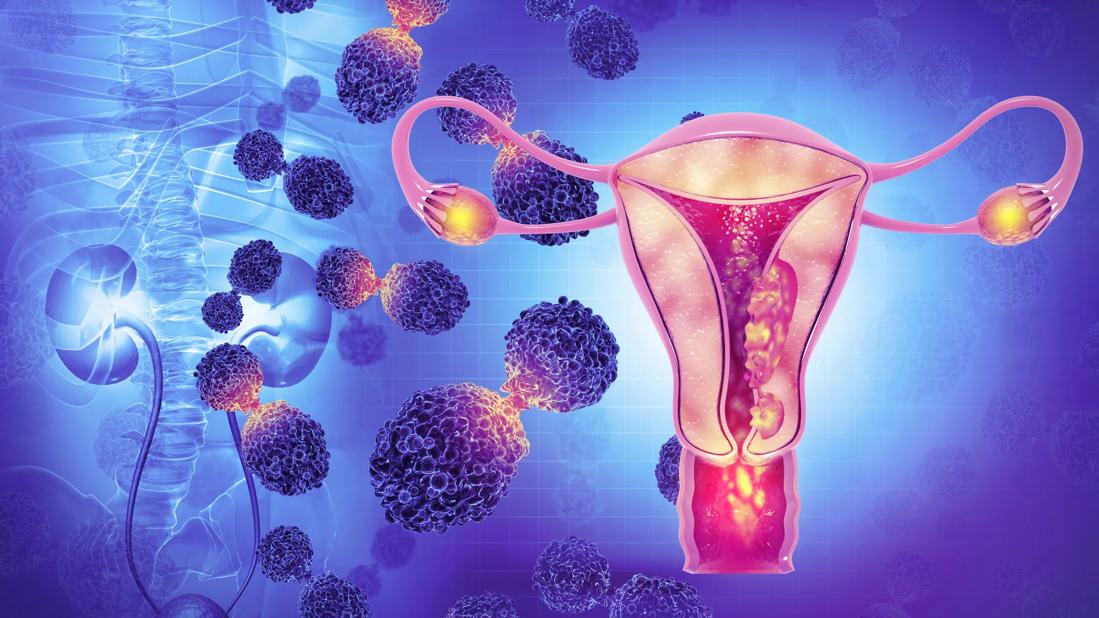
Image content: This image is available to view online.
View image online (https://assets.clevelandclinic.org/transform/04f184d7-5ade-4616-91b0-33916f3dc0d2/uterus-cancer-1414626057)
Uterine cancer
A $2 million gift from a local couple, Robert J. and Laura J. Fogarty, establishes the first endowed chair for Cleveland Clinic’s Ob/Gyn & Women’s Health Institute. Robert DeBernardo, MD, a gynecologic oncologist and director of the Peritoneal Surface Malignancy Program, has been named as the first Laura J. Fogarty Endowed Chair in Women’s Health for Uterine Cancer Research.
Advertisement
Cleveland Clinic is a non-profit academic medical center. Advertising on our site helps support our mission. We do not endorse non-Cleveland Clinic products or services. Policy
“There are over 60,000 new cases and 12,000 deaths annually in the United States, and research of these cancers is seriously underfunded,” said Laura Fogarty. “This gift is very personal to me. Diagnosed in March 2010 with carcinosarcoma, a rare form of uterine cancer, I know firsthand all the ups and downs of treatments, tests, survivorship and recurrent disease. Bob and I are pleased and thankful to honor as the chair holder Dr. DeBernardo, my outstanding and compassionate gynecologic oncologist.”
“The Fogartys recognize that there is a huge deficit in our knowledge of and ability to learn about these rare forms of cancer,” says Dr. DeBernardo. “This generous endowment will help establish infrastructure to support our clinician-scientists to propel not only our understanding of the molecular mechanisms of these cancers but ultimately to create a phase 1 clinical trial program where we can bring these discoveries to patients in need.”
“Our goal is to reverse the traditional bench to bedside research paradigm,” Dr. DeBernardo continues. “We will take tumor specimens directly from our patients and grow them in both cell culture and in animal models so that we can apply innovative treatments and study the mechanisms through which these therapies are working in ways not possible when treating patients with these cancers.”
“In addition,” Dr. DeBernardo says, “government funding to study gynecologic cancers is shamefully inadequate, part of our mission will be to help raise awareness for these rare cancers.”
Advertisement
Dr. DeBernardo is an established leader in the development of new therapies for advanced and recurrent gynecologic cancers. He has been the principal investigator in several studies, including the use of stereotactic body radiation therapy (SBRT) a highly conformal radiation therapy to treat unresectable gynecologic cancer metastasis. In addition he developed Cleveland Clinic’s first hyperthermic intraperitoneal chemotherapy (HIPEC) program dedicated to women with gynecologic cancers, one of the largest in the nation. This therapy allows women to receive chemotherapy directly into the abdomen or chest at the time of their cancer surgery. He currently has grant funding to investigate the use of augmented reality to assist in the identification and resection of advanced ovarian cancer.
This is the second endowed chair funded by the Fogartys at Cleveland Clinic. In 2016, the Fogarty family donated $1 million to create an endowed chair in Cleveland Clinic’s Lerner Research Institute to support research into the causes and treatment of uterine cancer. Ofer Reizes, PhD, a researcher in the Lerner Research Institute’s Department of Cellular & Molecular Cancer, was appointed the Laura J. Fogarty Endowed Chair for Uterine Cancer Research.
“We are extremely grateful for this new gift and the generosity of the Fogarty family,” says Beri Ridgeway, MD, Chair of the Ob/Gyn & Women’s Health Institute. “This amazing gift will advance research and increase awareness for rare uterine cancers that would not be possible without this support.”
Advertisement
Advertisement

Data point to potential for targeted preconception planning

Reproductive psychiatry helps patients balance medication-related risks
Molecular Profiles Help Guide Referral and Care Planning
Hyperthermic intraperitoneal chemotherapy can improve patient outcomes

Leaning into therapies with the strongest evidence
A Q&A with Cleveland Clinic’s board-certified pediatric and adolescent gynecologist

Increasing uptake remains a challenge

Multidisciplinary teams work together in in-situ scenarios