Locations:





Initiatives focus on the physical and emotional well-being of geriatric patients and their caregivers
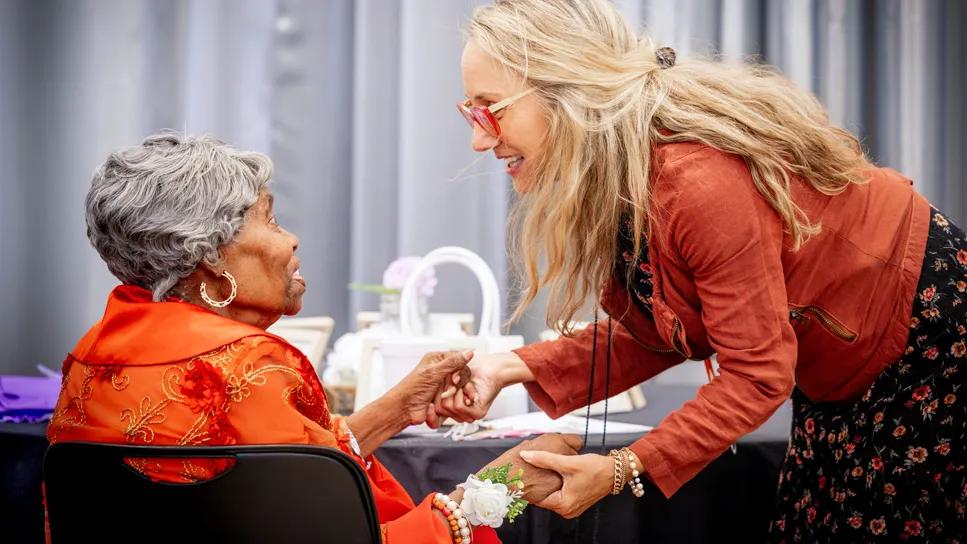
Image content: This image is available to view online.
View image online (https://assets.clevelandclinic.org/transform/e7fe422a-6f30-4aac-8e55-4cdea9a254ba/two-women-dressed-up-community-event)
Memory Cafe
With the U.S. population of older adults projected to nearly double to 83 million in 2050, communities are under increasing pressure to address the unique healthcare needs of geriatric patients. Adapting to these demands requires greater emphasis on geriatric expertise, interdisciplinary care models, preventive strategies and community collaborations.
Advertisement
Cleveland Clinic is a non-profit academic medical center. Advertising on our site helps support our mission. We do not endorse non-Cleveland Clinic products or services. Policy
To better meet these challenges, Cleveland Clinic’s Center for Geriatric Medicine is partnering with other local and national organizations to devise a variety of specialized programs designed to address the physical and cognitive requirements of older adults and their families. The initiatives echo the institution’s formal social prescribing model in which clinicians aim to connect patients with community-focused activities, explains Cleveland Clinic geriatrician Roopa Anmolsingh, MD.
“When communities intentionally create opportunities for older adults to stay physically active, emotionally connected and mentally engaged, they affirm that aging is not a period of decline but a continued stage of growth,” Dr. Anmolsingh says. “We’re incredibly lucky to have allies who understand that by investing in our older population, we invest in our community’s own resilience, wisdom and collective well-being.”
One such opportunity for ongoing growth is a new series of free monthly "Memory Cafés" created for people with memory decline or dementia and their caregivers. The cafés were established in partnership with the South Euclid Public Library, FOX Rehabilitation Services and the Heights Libraries.
Intended to provide a safe, engaging environment, the cafés revolve around a variety of hands-on activities, including art, collage making, games, dance, music and social events aimed at brain stimulation. One particularly popular café event – a “senior” prom – hits the mark by offering conversation and cognitive stimulation, physical activity through dancing and crucial social connections.
Advertisement
“Our chief goal is to bring joy and a sense of community to those facing memory loss – and, by extension, help them better manage their chronic conditions,” says Dr. Anmolsingh, lead geriatrician for community programs at Cleveland Clinic and head of the healthcare system’s Geriatric Lung Transplant Section. “There is ample scientific evidence to show that older adults who remain active – mentally, physically and socially – are better able to protect their brain health, remain independent and maintain an improved quality of life.”
In addition to providing a welcoming space for patients affected by cognitive decline, Cleveland Clinic’s Center for Geriatric Medicine has also partnered with like-minded agencies to provide specialized emotional reinforcement and practical advice to patients’ families and caregivers.
Developed through an ongoing alliance with the Alzheimer’s Association, free monthly support meetings are open to all caregivers of individuals living with Alzheimer's disease and related dementias. The groups are led by a trained facilitator who encourages participants to share their experiences to reduce the feelings of isolation that often accompany caregiving.
Importantly, the meetings can help families develop a network of mutual support – a “critical lifeline” for those managing a loved one with declining cognitive health, Dr. Anmolsingh adds.
“When caregivers neglect their own health, they are more vulnerable to burnout, depression and exhaustion, all of which can reduce their ability to provide attentive care,” she says. “Our goal is to provide a safe space in which family members feel understood by others facing similar challenges and learn strategies for boosting their resilience.”
Advertisement
Dr. Anmolsingh notes that her experience of caring for her own aging parents has helped her better understand the complexities of aging and strengthened her desire to promote the independence of older adults.
“Caregiving can be emotionally heavy and physically exhausting, and no one is meant to carry that weight alone,” she offers. “Sharing the responsibility — whether through practical tasks or simply talking through your feelings — can reduce stress, prevent burnout and help you maintain perspective.”
Thanks to an ongoing relationship with Fairhill Partners, Dr. Anmolsingh has also brought the nationally recognized Matter of Balance Falls Prevention Program on-site to Cleveland Clinic. Specifically developed to help older adults maintain their independence, the 8-session, evidence-based curriculum aims to reduce the fear of falling, interrupt the falling cycle, and improve strength, coordination and balance.
The program includes lectures, group discussions, mutual problem-solving and role-play activities, exercise, assertiveness training and home assignments.
In recent months, Cleveland Clinic geriatricians have collaborated with Fox Therapy Services to launch Thrive, a free monthly frailty clinic designed to assess cognition, function, psychosocial well-being and nutritional status. Dr. Anmolsingh says the program targets older adults by providing individually tailored at-home interventions designed to support their independence and prevent unnecessary hospitalizations.
As the older adult population continues to grow, Dr. Anmolsingh believes healthcare systems must look beyond clinic walls and invest in community-centered solutions that promote independence, dignity and lifelong engagement. She notes that she and her team are continuing to pursue new partnerships with local leaders to help strengthen the quality and variety of resources available to geriatric patients.
Advertisement
“Our community partnerships strengthen our ability to address the broader determinants of geriatric health and improve patient outcomes,” she says. “Not only do these collaborations promote coordinated care and enable a more efficient use of resources, but they also foster trust within the community, improve cultural competence and support health education initiatives tailored to our patients’ immediate needs. Ultimately, these relationships help us move beyond treating illness to promoting overall community well-being.”
Advertisement
Advertisement
New research highlights serious risks and the critical need for earlier advance care planning
Researchers explore the mental and physical benefits of social prescribing
Study suggests inconsistencies in the emergency department evaluation of geriatric patients

How providers can help prevent and address this under-reported form of abuse
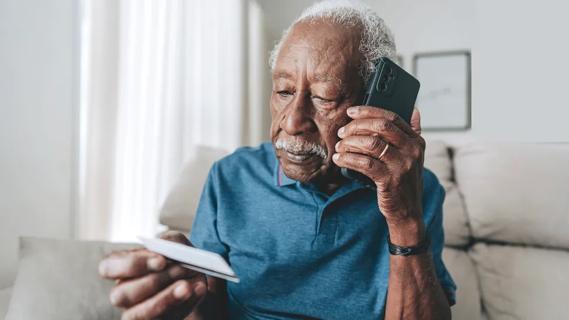
How providers can help older adults protect their assets and personal agency
Early screening — and shorter boarding times — benefit older adults
Even subtle red flags can portend serious risks for older victims

Complications highlight need to exercise caution when managing geriatric patients
 Search