Locations:





Make it a priority, welcome feedback, look beyond your organization

Image content: This image is available to view online.
View image online (https://assets.clevelandclinic.org/transform/c43c06a7-388d-4e59-bc96-3a17c7ceb946/CGO_4502958_12-29-23_378_MLC-jpg)
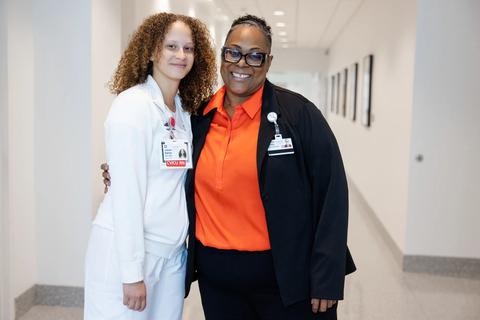
Two nurses working at computer
By Meredith Foxx, MSN, MBA, APRN, NEA-BC
Advertisement
Cleveland Clinic is a non-profit academic medical center. Advertising on our site helps support our mission. We do not endorse non-Cleveland Clinic products or services. Policy
Mentorships in nursing can come in many forms. For some, an ideal mentoring experience is informal or casual. For others, formal mentoring programs are preferred. It doesn’t matter how nurses choose to participate in mentorships — what’s important is that they do.
Nurses benefit from mentorships at every stage of their careers, not just as new nurses. Research indicates that the career-long roles of the nurse as both a teacher and a student are fundamental to the nursing profession, and that learning from peers can result in significant professional and personal growth.
Throughout my career, I have been fortunate to have several mentors to turn to for advice, guidance and perspective. I’ve also had the privilege of serving as a mentor for many nurses. Along my mentorship journey, I’ve gathered a few tips on what makes a successful nursing mentorship. If you are a nurse seeking a mentorship, keep in mind the following advice to get the most out of your mentoring experience.
A good mentor supports you where you are while providing you the necessary tools to grow. Beyond helping you succeed in your day-to-day activities and responsibilities, a mentor should guide you toward the big picture of achieving your career goals. An ideal mentor assists in identifying opportunities for advancement or other career considerations, such as changing specialties or increasing involvement in passion areas like nursing policy and legislation, for example.
The role of a mentor isn’t to tell you what to do, but to offer suggestions and advice. As someone who is being mentored, you need to be willing to accept the feedback your mentor offers. Those who really welcome a mentoring relationship understand that the recommendations given won’t always be praise and glory, but what is needed to get you to the next step in your career. For example, I’ve had mentees come to me with a goal of holding a formal leadership title. My recommendation to them is to garner experience in a role that oversees direct reports. This feedback isn’t always well received, as it may require the nurse to make a career change, even if they are happy in their current position. However, getting ahead in your career often involves taking risks and trying new things.
Advertisement
A mentorship should never be looked at as a duty or obligation, but rather as a priority. Carve out time to grow the relationship with your mentor; it will be beneficial for both of you. Mentees garner education and wisdom from those who have walked in their shoes, and mentors share their knowledge, lessons learned and leadership experience. Nurse leaders who serve as mentors can gain insight into their organization and practice as well as a greater understanding of issues caregivers are facing. A mentorship also allows both parties to meet talented, driven caregivers from their organization and broaden their professional networks. Personally, being a mentor is one of the most fulfilling aspects of my professional life. It reminds me why I became a nurse and a leader and reaffirms the various ways my work is important.
As nurses grow in their careers and assume more responsibilities, it’s important that they expand their mentoring experience to include mentors who are outside their discipline and their organization. For example, if you are considering going back to nursing school to earn an advanced degree, seek a mentor who is a fellow student or a faculty member or professor at a local school of nursing. Other great resources for expanding your mentoring network are professional nursing and healthcare organizations. Larger healthcare groups like Vizient and Press Ganey often offer mentorship participation, for example.
The most successful mentorships are built on the idea of open, honest relationships that support ongoing communication and discussion and welcome questions and concerns. Whether the mentorship encourages casual check-ins or formal progress meetings, having meaningful connections between mentors and mentees is key to personal and professional fulfillment, satisfaction and success.
Advertisement
Meredith Foxx is Executive Chief Nursing Officer for Cleveland Clinic health system.
Advertisement
Advertisement
Howley ASPIRE Program prepares caregivers for the professional road ahead

Specialized training prepares caregivers to address the unique physical and emotional needs of young patients

Using meticulous preparation and teamwork to manage critically ill patients in constantly changing environments

Translating clinical questions into meaningful, sustainable change

Guidance for creating a relevant framework that reflects organizational values, supports professional practice

Helping patients recognize respiratory changes, navigate treatment barriers and stay connected to their clinical team

Initiative provides hands-on opportunities to promote early, progressive activity

Continuing to grow by following the right path at the right time
 Search