Locations:





Program focuses on “gut-brain-body connection”
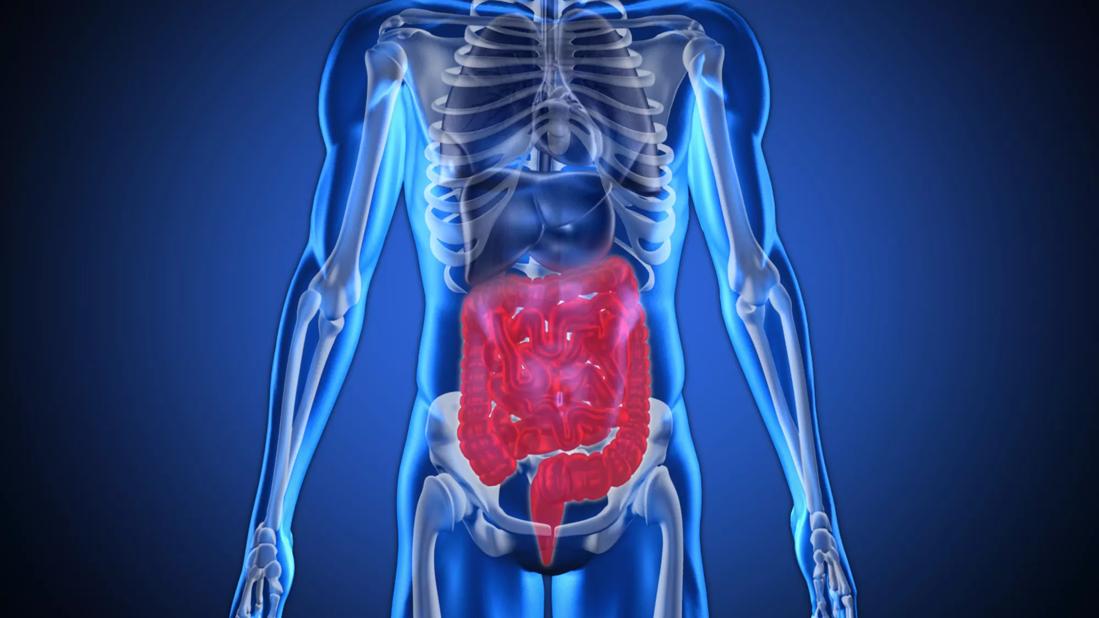
Image content: This image is available to view online.
View image online (https://assets.clevelandclinic.org/transform/b7da1f2f-dcec-488d-8b50-90268fa57892/DigestiveSystem-jpg)
Digestive system
One hundred million Americans suffer with chronic pain, including many with digestives diseases such as inflammatory bowel disease (IBD) and irritable bowel syndrome (IBS). While medications and surgery may be helpful in relieving these conditions, one of the best tools available to patients — behavioral medicine — is underutilized, according to Judith Scheman, PhD, Director of the Behavioral Medicine Program in Cleveland Clinic’s Digestive Disease & Surgery Institute.
Advertisement
Cleveland Clinic is a non-profit academic medical center. Advertising on our site helps support our mission. We do not endorse non-Cleveland Clinic products or services. Policy
“Pain has both physical and psychological components, and both must be addressed,” she says. “Factors that modify the amount of pain we end up perceiving are undeniably affected by our thoughts.” For instance, some patients are catastrophizers, feeling hopeless that the pain will ever abate and their lives will resume, while others are deniers, refusing to accept their medical condition and not utilizing the care that they need.
Pain is also modified by the context, she continues. Patients may be wondering if they have cancer, and that anxiety can intensify their perception of pain. “We know that anxiety and stress make their symptoms worse, and symptoms of their disease make stress and anxiety worse. The cycle goes both ways,” she says, “and psychological treatment can help ease this distress and often improve symptoms.”
Psychologists who are specially trained in behavioral medicine, and more specifically in pain management, are few and far between, and Cleveland Clinic is one of the few institutions to offer this unique service.
At the Digestive Disease & Surgery Institute, all patients are given the option of having a behavioral medicine session. Most patients are seen in a shared, 45-minute medical appointment, which is billed using a medical diagnosis and covered by medical insurance.
The session consists of education about the role of the brain in their condition, as well as pain and its components, which gives patients a sense of control over their medical situation. The session also provides patients with an introduction to tools such as deep relaxation therapy, cognitive behavioral therapy (CBT) and biofeedback that can help them manage stress and anxiety. The patients are then referred to the Behavioral Medicine Program website, which contains further information and three guided relaxation audio files (found under the Patient Resources tab) that can be utilized at home.
Advertisement
The benefits of behavioral medicine have been validated by research, according to Dr. Scheman. Studies show that the practice of deep relaxation techniques blocks production of pro-inflammatory cytokines, resulting in a decrease in inflammation.
Performing these exercise three to five times a day following surgery leads to faster wound healing and improves immunity, and allows patients to quickly minimize or eliminate use of opioids postoperatively. Functional magnetic resonance imaging (fMRI) scans show that the somatosensory component of pain — throbbing, tingling, etc. — and the emotional interpretation of pain are governed by different areas of the brain, and deep relaxation and other behavioral medicine techniques can turn off the latter aspect of the brain, helping patients to better tolerate pain.
There is also evidence that these interventions improve mood and quality of life, and may reduce healthcare resource utilization.
“Almost anyone with IBD or IBS can benefit from behavioral medicine education, and the earlier people are exposed to this education, the better medical treatment will work for them,” says Dr. Scheman. Candidates for referral include:
Advertisement
Patients who should not be referred include those with significant psychological symptoms unrelated to their digestive issue, current severe psychiatric symptoms or an active eating disorder. People who don’t believe that stress plays a role in their medical condition and those who are not willing to use behavioral medicine approaches are also unlikely to benefit from this intervention, she says.
“One of the things that Cleveland Clinic has taken to heart is making sure every single employee — from healthcare providers to schedulers, housekeeping, dietary services, etc. — understands that he or she is responsible for each patient’s medical experience, and that a positive experience can have a positive impact on their medical outcome. If patients are stressed out and anxious while they are here, their pain and disease will not be managed as well as it could be,” she says.
“Behavioral medicine can go a long way toward improving that experience and giving patients the tools to improve their psychological outlook and their medical outcomes.”
Advertisement
Advertisement
Real-time case discussion connects IBD specialists across disciplines, institutions and countries
Findings show significant energy savings and no association with increased surgical site infection, mortality or ICU admission

A complex pelvic exenteration underscores the importance of early multidisciplinary planning for locally invasive cancers

Findings may help guide earlier AUD intervention

Landmark trial data suggest appendectomy may reduce relapse and improve remission rates in select patients
Implications for surgical decision-making and patient management

Dr. Prabhu discusses mentorship, collaboration and her vision for the future of the department

New program looks to innovative approaches for advancing early detection and multicancer prevention
 Search