Locations:





Small but mighty techniques can be added before, during and after a shift
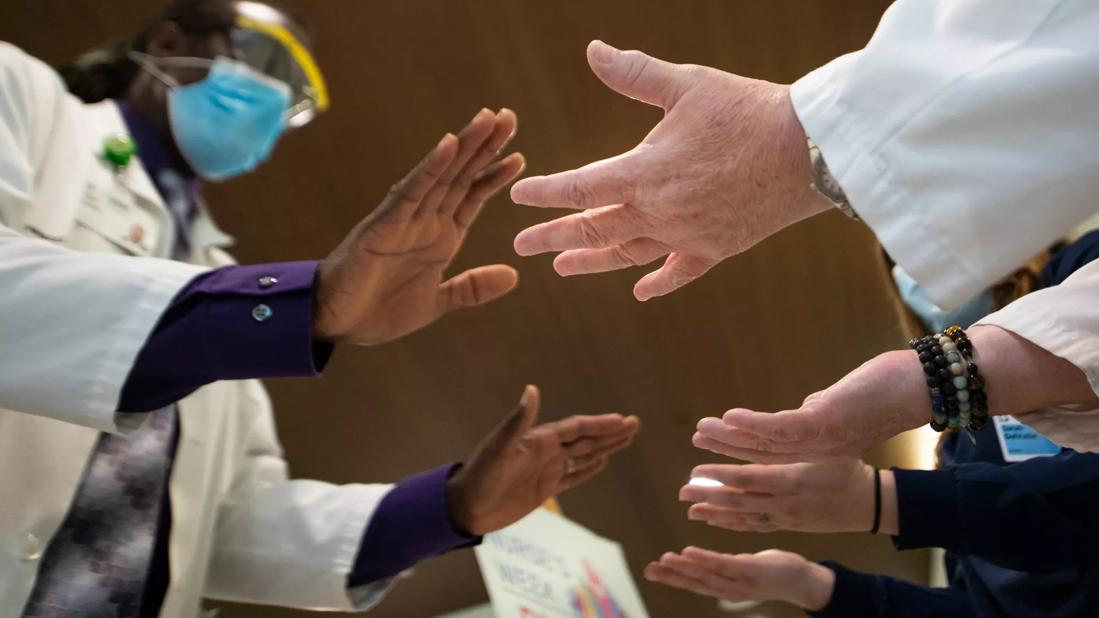
Image content: This image is available to view online.
View image online (https://assets.clevelandclinic.org/transform/347176bc-eb98-452a-a0c6-d0a78dbd155d/7a_jpg-scaled_jpg)
nursing mindfulness
Taking breaks for self-care and stress relief while on shift may seem unrealistic to many caregivers. Not only is it possible, however, but it is also essential to well-being.
Advertisement
Cleveland Clinic is a non-profit academic medical center. Advertising on our site helps support our mission. We do not endorse non-Cleveland Clinic products or services. Policy
“When you give yourself a minute or two to pause and just breathe in through the nose and out through the mouth, it creates self-awareness and brings you to the present moment,” says Rose Hosler, BSN, HNB-BC, HWNC-BC, Healing Services Coordinator at Cleveland Clinic Hillcrest Hospital.
Hosler, who is board certified as a holistic nurse and as a health and wellness nurse coach, has been providing emotional and spiritual support services to nurses and other caregivers, as well as patients, for eight years, first at Cleveland Clinic main campus and now at Hillcrest Hospital.
She says that focusing on the present moment is a way of centering oneself and gathering the energy to continue with work.
“As healthcare providers, we’re always trying to push through,” Hosler says. “And with COVID-19 on top of our usual stress, this has been a long race. Being mindful and present helps with the day-to-day stresses and allows us to continue to come in here and do our work.”
When assisting caregivers, Hosler also offers some easy self-care practices to use at any time during their shifts. “We’re not talking about taking 15 minutes off the floor,” she says. “Maybe sitting for two minutes at the nurses’ station or standing at your workstation.”
Her suggestions include focusing on the breath for a minute or two and reciting an affirmation, such as “All that I do today is the best that I can do, and it’s OK” or “I am capable and allow patience for myself.” Even if the caregiver doesn’t quite believe the words at first, she says, repeating an affirmation helps restore a feeling of being centered.
Advertisement
Hosler also suggests using acupressure points that can relieve tension and encourages easy stretching movements of the body and progressive muscle relaxation.
Many hospitals, including Cleveland Clinic, offer a Code Lavender – a rapid response by the Healing Services and Spiritual Care staff to caregivers experiencing an emotionally stressful event within the hospital. Caregivers may be supported emotionally and spiritually through aromatherapy, Reiki, acupressure or simple conversation and presence by the team. Caregivers can access additional help through the hospital system’s Center for Bioethics, the employee assistance program or art and music therapy.
Occasionally, Hosler and her staff may round on the units, handing out aromatherapy sticks, granola bars and tea. Aromatherapy sticks are popular and can be stashed in a caregiver’s pocket and pulled out for instant stress relief.
“When we do this, nurses feel cared for, and it serves as a reminder that it is OK to pause and take care of yourself,” Hosler says. “Remember, you must care for yourself before you can care for your patients.”
Hosler says she often hears how much caregivers appreciate their co-workers because they understand each other and what they are going through – sometimes better than family members or friends who don’t work in healthcare.
Nurses who see a co-worker struggle can “tap them out” by checking in on them and offering to take their call light or step up in other ways so that they can take a break for a moment or two. And making time to huddle with co-workers for self-care is essential, Hosler says. When the team comes together, caregivers are more apt to participate in self-care in that moment. Cleveland Clinic also offers the Emerge Stronger program, a peer-to-peer support program for caregivers affected by unanticipated clinical events.
Advertisement
“It’s not a sign of weakness if you are struggling during your shift,” Hosler says. “It’s imperative to keep reaching out to each other and reminding each other that it’s OK to take a few minutes to yourself.
It is important to focus on wellness outside of the workplace as well, Hosler says. Meditation, walks in nature, evening baths and keeping a gratitude journal can help; so can bringing mindfulness to tasks such as laundry, cooking and cleaning. Focusing on one thing at a time can help individuals slow down and feel less frazzled.
When it’s time to go back to work, she suggests nurses start their shifts by setting an intention or affirmation for the day, such as “I am present and here to do the work.” When leaving for the day, an affirmation such as “When I leave here, I leave everything here” can help caregivers switch gears.
Advertisement
Advertisement
Using meticulous preparation and teamwork to manage critically ill patients in constantly changing environments

Translating clinical questions into meaningful, sustainable change
Guidance for creating a relevant framework that reflects organizational values, supports professional practice

Helping patients recognize respiratory changes, navigate treatment barriers and stay connected to their clinical team
Initiative provides hands-on opportunities to promote early, progressive activity

Continuing to grow by following the right path at the right time

Teaching caregivers to recognize warning signs, de-escalate difficult situations and maintain professional boundaries

Veteran caregivers offer practical wisdom for building confidence and practicing with purpose
 Search