Locations:





Strategies for building connections, staying present
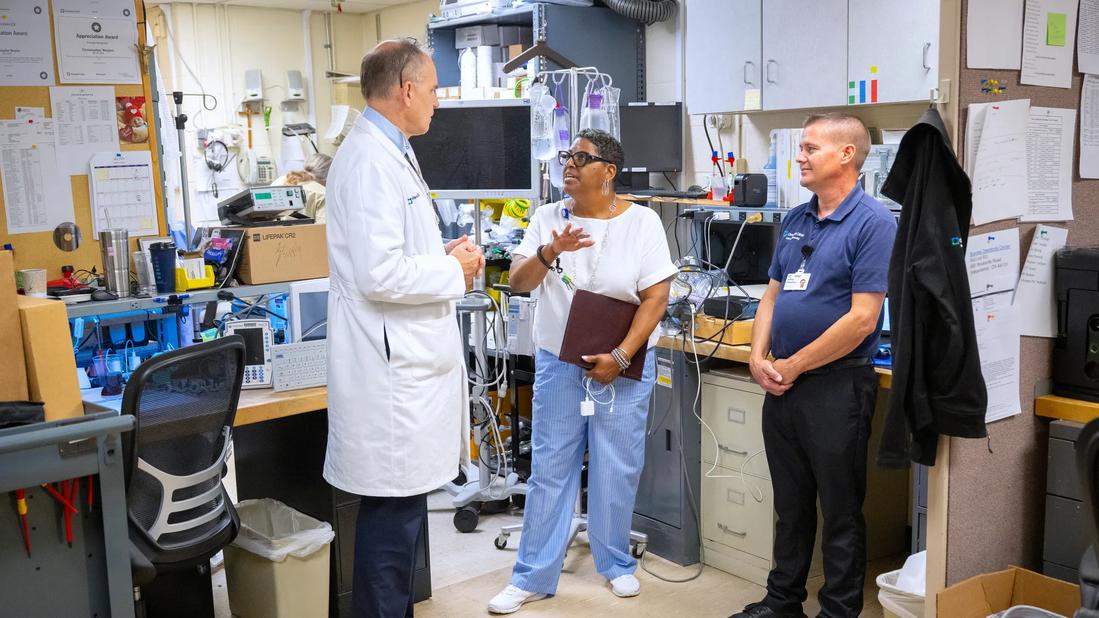
Image content: This image is available to view online.
View image online (https://assets.clevelandclinic.org/transform/47be4db9-c760-4702-ad59-de5efac99b11/CTI_6435508_07-17-25_041_MK)
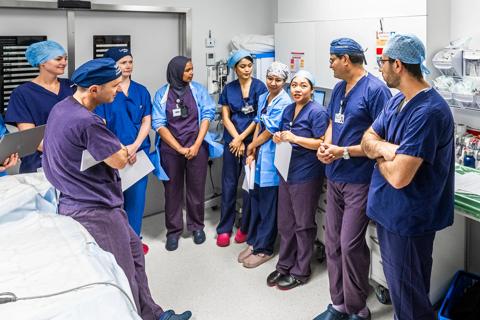
Caregivers talking
By Karen Ladwig, Senior Patient Experience Advisor, Cleveland Clinic Martin Health
Advertisement
Cleveland Clinic is a non-profit academic medical center. Advertising on our site helps support our mission. We do not endorse non-Cleveland Clinic products or services. Policy
Since joining Cleveland Clinic Martin Health 12 years ago, I’ve served in a variety of leadership roles focused on patient experience. Over that time, I’ve come to see professionalism not as a checklist of musts and to-dos, but as a way of showing up for others.
For me, professionalism means authenticity, kindness and presence. It’s listening closely, encouraging others and remembering that human connection matters just as much as the tasks in front of us. When we get caught up in “get it done, get it done,” we risk overlooking the very people who need our care and attention.
Even the simplest actions can maintain our connection with the present moment, helping others feel safe and valued.
Below are some examples that have worked for me:
Advertisement
I believe I’ve been given the gift of encouragement, and healthcare allows me to live out that purpose. Each of us has our own reason for serving – and when we connect with it, we bring our best selves to our work.
One way I help teams reflect on this is through a simple exercise. Ask: How do you want to be remembered? What words do you hope others use to describe you?
From there, we identify the behaviors that would make those words true and commit to practicing them consistently. It’s a reminder that professionalism isn’t an intention — it’s a daily practice, lived out in small, consistent choices.
When we show up with our whole, authentic selves, we not only serve our patients better, we also build stronger teams and a healthier culture.
Advertisement
Advertisement
Frontline listening and engagement are crucial

Interdisciplinary program fosters high-performance teams

1:1 guidance benefits individuals and organization
Development leader harnesses shared purpose to fuel meaningful giving

Expert tips from Cleveland Clinic’s Chief Legal Officer

Dedicated leader shares her passion for quality, education and professional development
Groups move the metrics in environmental services and sterile processing
Certified coaches help hospital teams build trust, improve communication
 Search