Locations:





5-year funding award supports cohort expansion and deep phenotyping of AD and related dementias
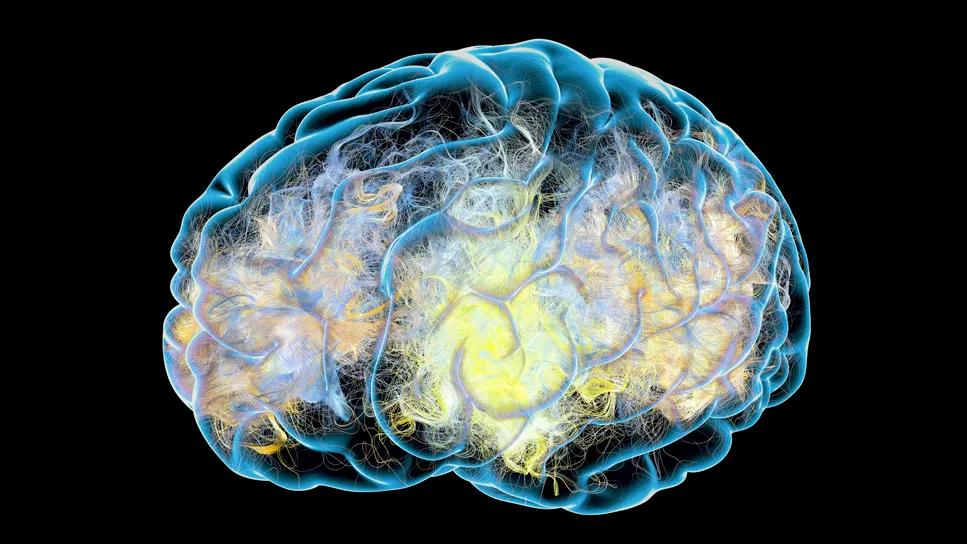
Image content: This image is available to view online.
View image online (https://assets.clevelandclinic.org/transform/492b0208-a427-4d76-81f3-a7812e2f05a1/brain-degenerative-diseases-837244454)
illustration of human brain with swirls of activity inside it
The Cleveland Alzheimer’s Disease Research Center (CADRC) has received new funding to help illuminate factors influencing the rate of progression in Alzheimer’s disease (AD) and AD-related dementias.
Advertisement
Cleveland Clinic is a non-profit academic medical center. Advertising on our site helps support our mission. We do not endorse non-Cleveland Clinic products or services. Policy
The support, which comes in the form of a five-year grant renewal from the National Institute on Aging of the National Institutes of Health (NIH), is expected to total $21.1 million from 2026 to 2031. It will continue funding of the CADRC, which was established in 2019 to accelerate research of AD and AD-related dementias. The multi-institutional collaborative — the only ADRC in Ohio — brings together physicians and scientists from Cleveland Clinic, Case Western Reserve University, Veterans Affairs Northeast Ohio Health Care System, the MetroHealth System and University Hospitals.
“By following our cohort participants over time, we gain invaluable insight into the earliest changes well before the onset of dementia,” says CADRC Director Jagan Pillai, MD, PhD, who also directs Cleveland Clinic’s Center for Brain Health in Cleveland. “Our vision for the CADRC over the next five years is to build a clinical cohort and research ecosystem that will allow us to assess and begin tackling the medical, biological, cognitive and functional predictors of the rate of progression of AD and related dementias.”
The CADRC focuses on understanding why Alzheimer’s disease and related neurodegenerative disorders progress at different rates among individuals, with the goal of slowing progression and developing new treatments and cures. The center supports a wide range of studies while also educating scientists, healthcare professionals and the public on the causes and treatment of dementias. It has an education component designed to enhance research efforts of the Northeast Ohio Alzheimer’s medical community and add unique value to the National Alzheimer’s Coordinating Center (NACC) program and other national and international research partners.
Advertisement
The NIH grant renewal will support the CADRC in pursuing a number of specific aims over the next five years, as outlined below.
A central objective is to expand the CADRC’s longitudinal cohort with populations that will help provide insights for rate-of-progression research. By 2031, after accounting for attrition, the center expects to study progression in a cohort of close to 700 participants.
Recruitment priorities include the following:
Advertisement
The center also aims to address barriers to enrolling patients receiving anti-amyloid therapies, an increasingly important subgroup for understanding treatment response and real-world progression.
Another key objective is to strengthen biologic characterization of participants through a range of biomarkers, including:
Advertisement
In addition to the above objectives, the CADRC has developed infrastructure and support for data collection and sharing along with advanced computational approaches to model disease progression and identify therapeutic opportunities.
The center also plans to mentor clinicians and scientists entering AD-related research and provide education and training for health professionals and the public. Institutional support will fund new Research Education and Career (REC) scholars, developmental grants, clinician-scientist startup support, cross-ADRC travel and research retreats.
“This center is more than a research hub,” Dr. Pillai observes. “It is an ongoing partnership with our community that brings together researchers, clinicians and community members across Northeast Ohio to drive innovation and improve brain health for future generations.”
The center is funded by NIH grant P30AG072959.
This article is solely the responsibility of Cleveland Clinic and does not necessarily represent the official views of the NIH.
Advertisement
Advertisement

Leading investigators outline a new roadmap for clinical trials and observational research

Two Cleveland Clinic neurologists review biomarker advances, targeted therapies and unresolved clinical challenges

An expert talks through the benefits, limits and unresolved questions of an evolving technology

How we’re efficiently educating patients and care partners about treatment goals, logistics, risks and benefits
Large NIH-funded investigation is exploring this understudied phenomenon

Observational evidence of neuroprotection with GLP-1 receptor agonists and SGLT-2 inhibitors

Genomic study lays groundwork for insights into potential biomarkers and therapeutic strategies

Proteins related to altered immune response are potential biomarkers of the rare AD variant
 Search