Locations:





Avoiding complex reoperative abdominal surgery and ostomy
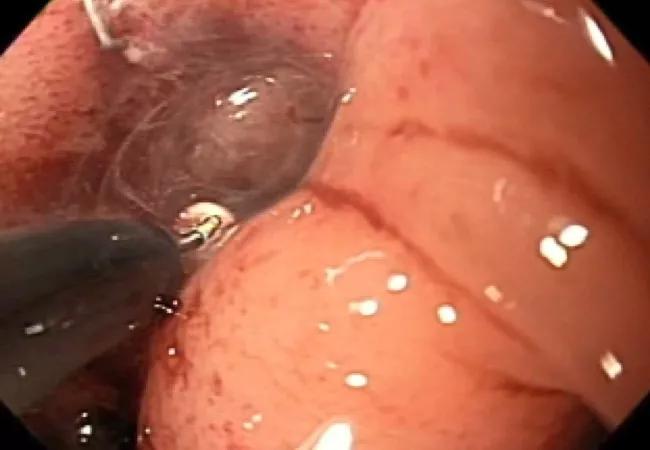
Image content: This image is available to view online.
View image online (https://assets.clevelandclinic.org/transform/9141d63f-6ec9-43c5-b3cf-ee8ceb72fe7c/17-DDI-3753-Endoscopic-Sinusotomy-CQD_jpg)
17-DDI-3753-Endoscopic-Sinusotomy-CQD
By Bo Shen, MD
Advertisement
Cleveland Clinic is a non-profit academic medical center. Advertising on our site helps support our mission. We do not endorse non-Cleveland Clinic products or services. Policy
The Interventional Inflammatory Bowel Disease Unit at Cleveland Clinic’s Digestive Disease & Surgery Institute is a pioneer and world leader in the endoscopic management of IBD and colorectal surgery-associated complications.
For the past decade, we have developed a range of novel endoscopic techniques to manage strictures, fistula, anastomotic leak and abscess, including endoscopic stricturotomy, endoscopic sinusotomy, endoscopic septectomy, endoscopic fistulotomy, endoscopic incision and drainage, endoscopy-guide seton and drainage catheter placement.
A 65-year-old man was transferred to our hospital service from out of state for an acute presacral anastomotic leak with a large hematoma, resulting in severe rectal bleeding that required blood transfusion.
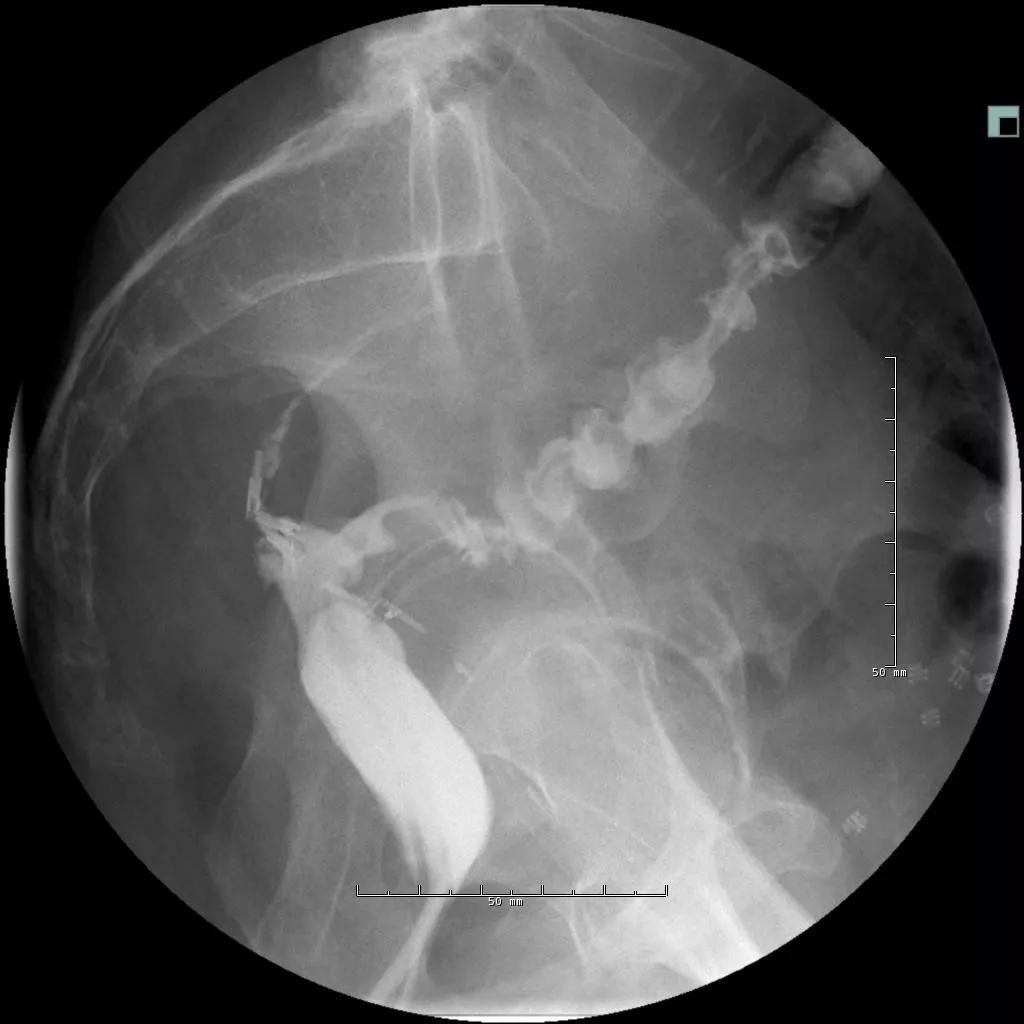
Image content: This image is available to view online.
View image online (https://assets.clevelandclinic.org/transform/087eb6ba-d760-4481-adde-26b487453a9a/long-sinus-tract_jpg)
The long sinus track from the anastomosis.
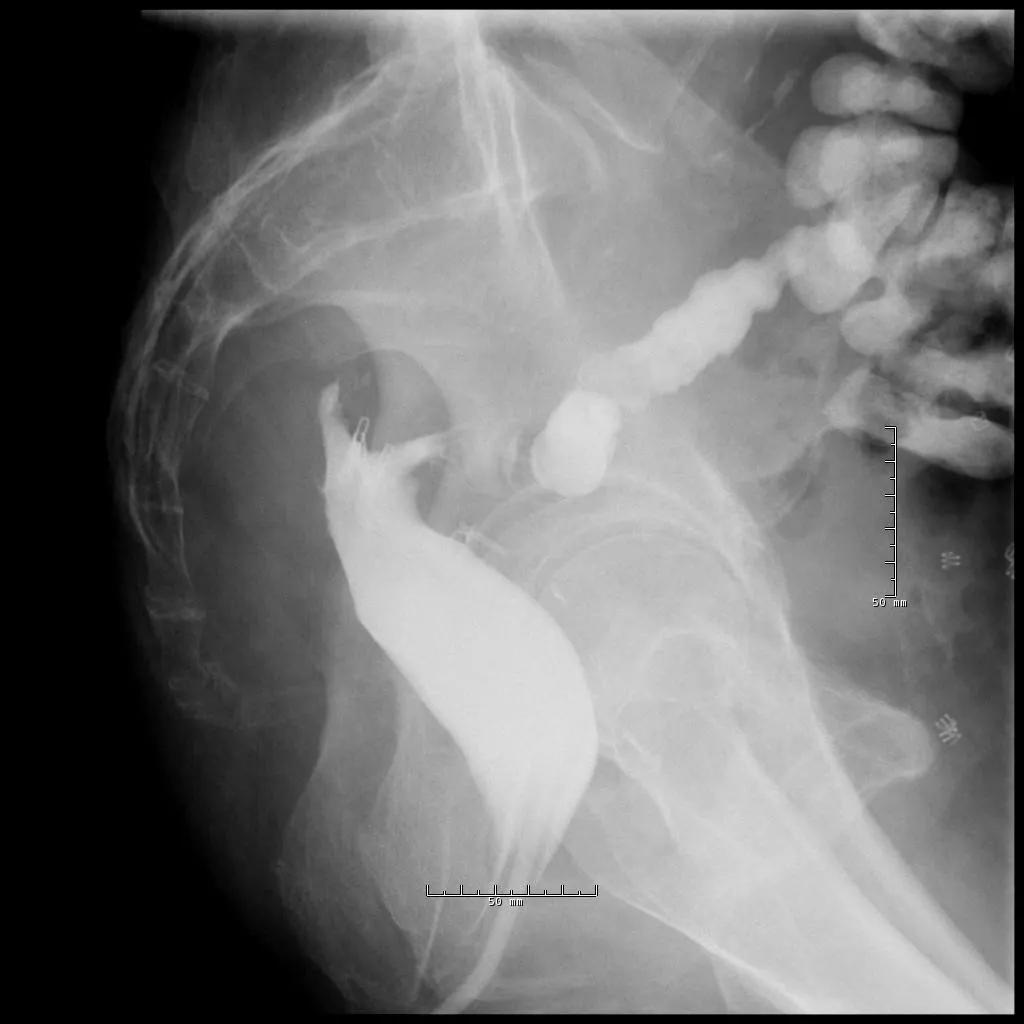
Image content: This image is available to view online.
View image online (https://assets.clevelandclinic.org/transform/3121b901-486b-4c63-90e9-598b40557548/treated-sinus-tract_jpg)
Treated sinus track, almost resolved.
The patient had undergone partial colectomy, colorectal anastomosis and ileostomy for advanced rectal cancer and radiation therapy. The bleeding failed to respond to therapy with endoscopic hemoclips and epinephrine injection.
The interventional endoscopist was able to successfully control the bleeding with an innovative instillation of hyperosmolar dextrose via endoscopy and enemas. After cessation of bleeding, the presacral hematoma was replaced by a 3.5 cm anastomotic sinus.
Subsequently, the presacral sinus was completely healed with two sessions of endoscopic sinusotomy with isolated knife tip (see main image above), which was pioneered at Cleveland Clinic. Each session of this outpatient endoscopic procedure took 15 minutes with the patient under conscious sedation. The recovery time for each procedure was 30 minutes.
Advertisement
The patient was ultimately able to have stoma closure and avoid a permanent ostomy.
Wu XR, Wong RC, Shen B. Endoscopic needle-knife therapy for ileal pouch sinus: a novel approach for the surgical adverse event (with video). Gastrointest Endosc. 2013;78:875-885.
Shen B. Exploring endoscopic therapy for the treatment of Crohn’s disease-related fistula and abscess. Gastrointest Endosc. 2017;85:1133-1143.
Advertisement
Advertisement
Discounting seronegative celiac and not asking about medications are among the most common clinical mistakes
G-TORe uses endoscopic suturing to stop peristomal leakage without upsizing the feeding tube

Findings suggest insurance coverage alone may not ensure timely specialty care and treatment

Study identifies patient and procedural factors associated with missed endoscopy appointments
Real-time case discussion connects IBD specialists across disciplines, institutions and countries
Findings show significant energy savings and no association with increased surgical site infection, mortality or ICU admission

A complex pelvic exenteration underscores the importance of early multidisciplinary planning for locally invasive cancers

Findings may help guide earlier AUD intervention
 Search