Locations:





 Search
Providers can help prevent or minimize the trauma
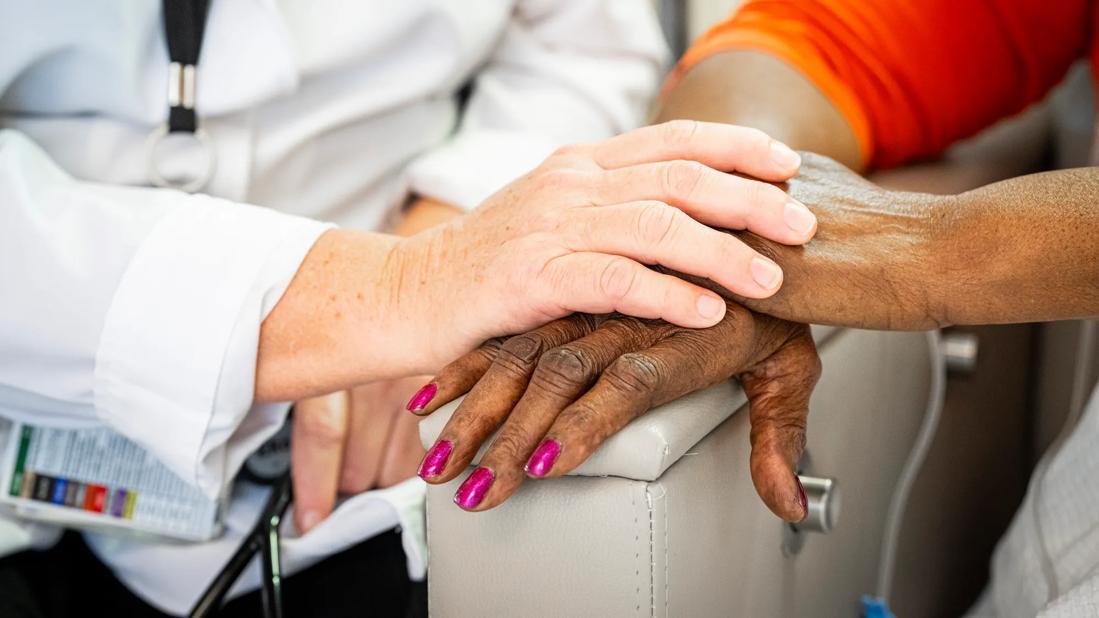
Image content: This image is available to view online.
View image online (https://assets.clevelandclinic.org/transform/086b51e4-0115-4c1f-b6dc-6603cd9956ef/URL_5473658_01-29-25_026_SCG)
counseling_650x450
Earlier identification and better treatment of breast cancer has resulted in 3.1 million survivors of the disease in the U.S. alone. While that’s good news, success is producing an ever-growing number of women who suffer from an unwanted long-term side effect of this achievement: fear of recurrence, which can be paralyzing.
Advertisement
Cleveland Clinic is a non-profit academic medical center. Advertising on our site helps support our mission. We do not endorse non-Cleveland Clinic products or services. Policy
“Fear of recurrence is very common in breast cancer survivors. Half of all survivors experience some fear, but in 20-50 percent, the fear is clinically significant and profoundly affects their lives,” says Kathleen Ashton, PhD, a psychologist in Cleveland Clinic’s Breast Center.
Fear of recurrence has little to do with the patient’s true risk and does not diminish over time. Instead, it tends to remains stable and often grows.
“Sometimes these fears start the day the patient is diagnosed, before she’s had any treatment. More typically, however, they occur when treatment is ending and the patient will no longer be seen as often,” says Dr. Ashton.
Without the safety of regular contact with a medical team, fears start creeping in.
“Treatment consumes your life. You are doing something every day to beat your cancer. When your treatment ends, you are no longer doing things to actively treat your cancer,” she says. “You also have more time to worry. You start wondering, will it come back? Will it progress? Will I die?”
Not surprisingly, women with a history of anxiety or depression prior to their cancer diagnosis are at greater risk of experiencing these fears.
Women who fear a recurrence of their disease are often perplexed by their inability to feel happy. “They think, ‘I’m cancer-free. Why am I not feeling great?’” says Dr. Ashton.
Family members, friends and even providers often don’t understand these negative emotional side effects, intensifying feelings of loneliness. “There is pressure to feel like you are back to normal,” she says.
Advertisement
As time passes, pervasive worry, anxiety and sense of “waiting for the other shoe to fall” may become overwhelming. Patients become consumed with fears about the potential physical problems associated with a cancer recurrence, such as pain, treatment discomfort and death. They wonder how their illness will affect their family, and dwell on landmark occasions, such as graduations and weddings, they might miss.
“It’s not unusual for these patients to develop checking behaviors, like pain, headache or feeling sick, that drive them to the emergency department thinking their cancer has come back,” says Dr. Ashton.
Dr. Ashton recommends providers not wait for a patient to raise the issue of recurrence, but rather, start the conversation early. She suggests asking patients:
Worry may be diffused or prevented by taking the following steps:
“Tell her how much her risk was reduced by surgery, by chemotherapy, by radiation and by any selective estrogen receptor modulator (SERM) or aromatase inhibitor she will continue to take. Don’t forget to reinforce the benefits of a healthy lifestyle going forward,” says Dr. Ashton.
Advertisement
Sometimes, however, logic and facts are not enough to dispel fear. When this happens, intervention is needed.
“If you see a clinically significant issue, refer the patient to mental health professional, such as a psychologist, for cognitive behavioral therapy or other evidence-based treatment,” Dr. Ashton advises.
Advertisement
Advertisement

Reframing cancer survivorship

New guidelines empower clinicians with practical diagnostic framework

Pivotal Studies Guide Treatment Decisions in Muscle-Invasive Bladder Cancer

Reflections from an oncology provider and communications educator on new ASCO Guidelines on Patient-Clinician Communication

Phase 1 trial outcomes offer encouraging news for developing targeted therapy for solid tumors

Cleveland Clinic to administer first-of-its-kind T-cell therapy

Heavily pretreated patients experience improved progression-free survival and quality of life with CD20xCD3 therapy
Innovative procedure reduces scarring, recovery time and nipple sensation