Locations:


Reflecting on a year of learning, collaboration and creating capacity
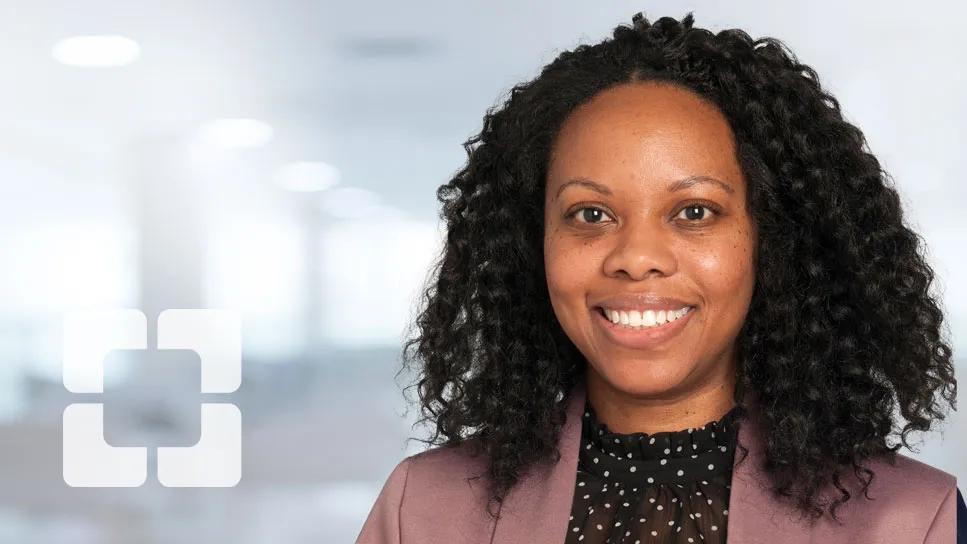
Image content: This image is available to view online.
View image online (https://assets.clevelandclinic.org/transform/3051efb6-915f-4ad8-a683-522ac6a81482/CinnamonDixon-FirstYearAsSeniorDirector_967x544)
Cinnamon Dixon
By Cinnamon Dixon
Advertisement
Cleveland Clinic is a non-profit academic medical center. Advertising on our site helps support our mission. We do not endorse non-Cleveland Clinic products or services. Policy
As I reflect on my first year as Senior Director of HR Operations, one word comes to mind: foundation.
Although I’ve been with the organization for nearly two decades, stepping into a new role brought exciting and unexpected challenges. I wanted to understand the business, build meaningful relationships, support the talented caregivers on my team and – ultimately – help create the structure we need to grow.
That meant listening first. Throughout the year, I’ve spent time learning how our teams work, understanding the challenges they face and identifying opportunities to make our processes more effective. I’ve found that some of the best solutions come from the people closest to the work.
One of my team’s most significant areas of focus has been workforce readiness for the expansion of our Neurological Institute. Preparing for the opening of the new 1 million-square-foot building has required extensive coordination across the Caregiver Office and with a wide variety of partners throughout the organization.
The labor has reinforced that successful workforce planning is about much more than filling positions. It requires governance, communication, thoughtful consideration and a shared understanding of what our caregivers and patients will need as our organization evolves.
At the same time, we’ve continued to listen to our caregivers. I was proud to support the administration and expansion of our recent Caregiver Experience Survey, which achieved an 86% participation rate — our strongest response to date. We also expanded the use of our Caregiver Experience AI tool, which has provided new ways to interpret employee feedback and identify opportunities to improve their experience.
Advertisement
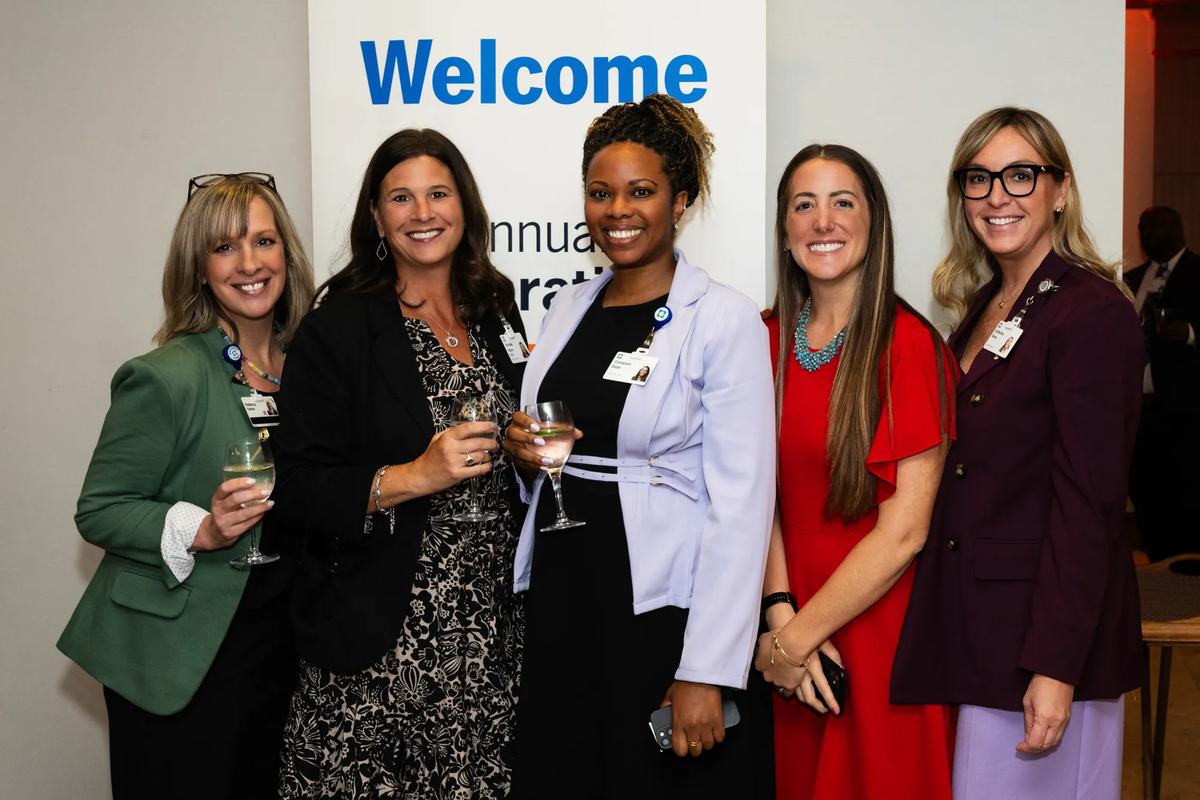
Image content: This image is available to view online.
View image online (https://assets.clevelandclinic.org/transform/358c26bb-5691-4211-a98b-04513ef533bf/SEM_6135009_09-17-25_117_DG-E)
Dixon (center) joins colleagues for Cleveland Clinic's 2025 Annual Caregiver Celebrations.
Another important theme that arose during my first year is operational excellence: How can we simplify the way we work so our teams have more time and capacity to focus on what matters most?
That question has shaped several initiatives, including our enterprise span-of-control reporting and analysis, which helps inform organizational effectiveness discussions and executive decision-making. We’ve also intensified our efforts to standardize contingent labor under a single managed service provider, creating greater consistency, visibility and governance.
Technology will be an increasingly important part of this work. We’re developing future-state technology roadmaps for the HR Service Center (our internal resource for HR-related questions) and Absence Management Office with an emphasis on scalability, caregiver self-service and long-term operational improvement. I’ve also encouraged my team to look closely at how AI and automation can reduce administrative work and create capacity for higher-value support.
I had the opportunity to share some of this work as a speaker at the HR Healthcare 2026 forum, where we discussed workforce innovation, role redesign and how technology can help organizations create capacity. It was an exciting chance to step back and recognize how much we are learning — and how much opportunity lies ahead.
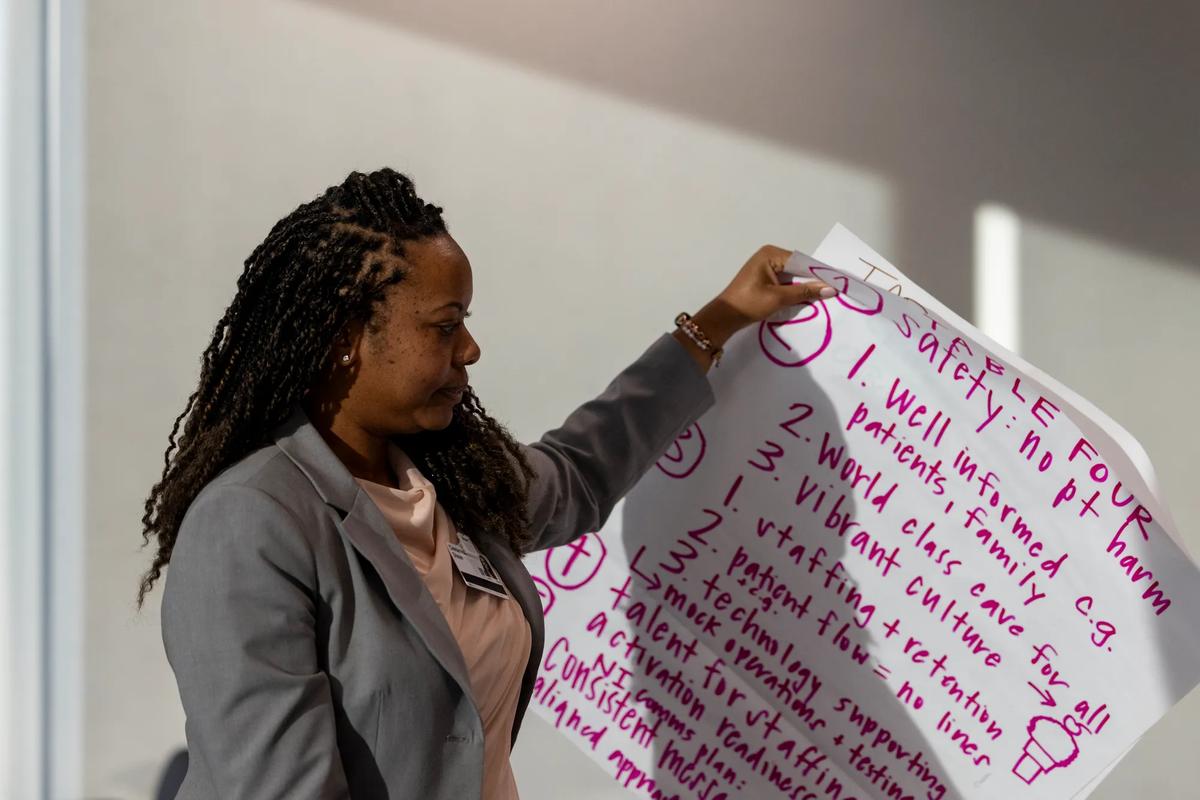
Image content: This image is available to view online.
View image online (https://assets.clevelandclinic.org/transform/e940e2ce-2f1b-41e4-a877-de9ad3ca5abd/OPR_7272709_11-03-25_1264_AMO)
Dixon helps outline goals at an activation meeting for the forthcoming Neurological Institute building, scheduled to open in 2027.
Perhaps the biggest lesson from my first year is that transformation doesn’t rest on one person or one initiative. It happens through relationships, collaboration and a willingness to keep asking, “How can we do this better?”
Advertisement
I’m fortunate to work alongside incredibly talented teams and partners across the organization. The accomplishments we’ve made reflect the expertise, creativity and commitment of our caregivers.
As I enter my second year, I’m excited to build on that foundation. We will continue to strengthen our operations by using technology thoughtfully, listening to caregivers and increasing capacity.
For me, leadership is ultimately about learning continuously, bringing people together and creating an environment in which talented teams can do their best work. I’m grateful for what this first year has taught me, and I’m even more excited about what we can accomplish together in the future.
Advertisement
Advertisement
Leveraging technology while preserving the human touch
Regular team discussions give caregivers the information, confidence and support they need to identify threats
How Cleveland Clinic’s facility dog is enhancing caregiver wellness
Mentoring Resource Center expands opportunities for professional growth through new technology and peer learning

Specialized advocacy program provides care, compassion and essential community connections

Program teaches communication and leadership skills
Promoting a culture that values honest communication and psychological safety
Technology-based program helps build personal connections from the first day
 Search