Locations:





 Search
Cleveland Clinic study assesses effects of state-level reforms
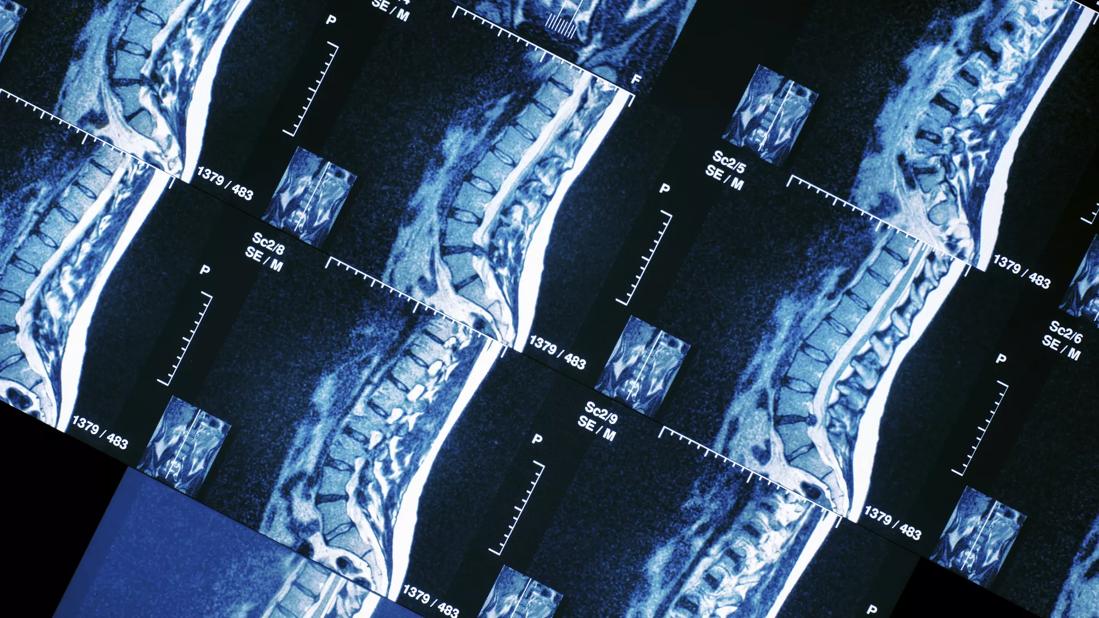
Discharge prescribing of opioids after decompressive lumbar spine surgery decreased significantly without any harm detected in global health outcomes among patients at Cleveland Clinic in the year following implementation of state-level opioid prescribing reform. So finds a retrospective review presented this week at the 2019 annual scientific meeting of the American Association of Neurological Surgeons.
Advertisement
Cleveland Clinic is a non-profit academic medical center. Advertising on our site helps support our mission. We do not endorse non-Cleveland Clinic products or services. Policy
“Our study clearly showed two things occurred as a result of new state restrictions on opioid prescribing,” says Michael Steinmetz, MD, Chair of Cleveland Clinic’s Department of Neurosurgery and senior author of the study. “First, prescribing behavior on the part of physicians changed. Second, patients were no worse for it.”
On Aug. 31, 2017, the state of Ohio implemented new rules for prescribing opioids to treat acute pain. The rules include a limit on prescriptions to a maximum of seven days for adults and a requirement that the total morphine equivalent dose (MED) of a prescription may not exceed an average of 30 MED per day.
This posed a dramatic change to standard practice: Previously, surgeons routinely prescribed at least a two-week course of opioids at discharge, and it was not unusual to prescribe 90 days of medications to cover the expected postoperative recovery period.
“Despite widespread adoption of similar restrictions by states across the nation, little research has been done on whether such restrictions have made a difference in prescribing practices or patient outcomes,” Dr. Steinmetz notes.
The study evaluated 1,098 patients who underwent a one- or two-level lumbar laminectomy at Cleveland Clinic during either the 12 months preceding the state-mandated change or the 12 months after.
The researchers found that patients in the year after reform received, on average, a MED total during the 90 days following discharge that was 174 MED lower (95% CI: –261 to –91) than the average for patients in the year prior to reform. No differences were found in the number of opioid prescriptions written, so the decline can be attributed to shorter prescription courses.
Advertisement
The patients also were evaluated postoperatively with the PROMIS-Global Health instrument, a patient-reported assessment of general physical, mental and social health. No difference in scores was found between the pre-reform and post-reform patients.
Dr. Steinmetz says this is the first study he’s aware of that evaluated changes in opioid prescribing and health outcomes from a hospital database following state-level restrictions on opioid prescribing.
He notes that it would be interesting to see if the reforms also led to reductions in overdose calls or deaths from opioids — although finding that out would require analyzing statewide data.
“This study suggests that state-level reforms placing reasonable limits on opioid prescriptions for acute pain may reduce patients’ opioid exposure without compromising patient-reported outcomes after spine surgery,” he says.
He adds that the implications go beyond the effects on individual patients, noting that patients may limit their use of pain medications and leave the remaining pills in their medicine cabinet, where they can be stolen by friends, relatives or even burglars — for their own use or for sale on the street.
“People just don’t need that much pain medication, even following surgery,” Dr. Steinmetz concludes. “This and similar reforms in other states appear to be excellent public health measures with no discernable downside.”
Advertisement
Advertisement

Aim is for use with clinician oversight to make screening safer and more efficient

Rapid innovation is shaping the deep brain stimulation landscape

Study shows short-term behavioral training can yield objective and subjective gains

How we’re efficiently educating patients and care partners about treatment goals, logistics, risks and benefits

An expert’s take on evolving challenges, treatments and responsibilities through early adulthood

Comorbidities and medical complexity underlie far more deaths than SUDEP does

Novel Cleveland Clinic project is fueled by a $1 million NIH grant

Tool helps patients understand when to ask for help