Locations:





Podcast content: This podcast is available to listen to online.
Listen to podcast online (https://www.buzzsprout.com/2241774/19635983)
Treating rectal cancer - particularly recurrent disease - can be very challenging. In some cases, the cancer is advanced and requires multivisceral resection. The goal is to eliminate cancer while ensuring the best quality of life and functional outcomes.
Advertisement
Cleveland Clinic is a non-profit academic medical center. Advertising on our site helps support our mission. We do not endorse non-Cleveland Clinic products or services. Policy
In a recent episode of Cleveland Clinic’s Cancer Advances podcast, colon and rectal surgical oncologist Haniee Chung, MD, discussed:
Click the podcast player above to listen to the episode now, or read on for a short edited excerpt. Check out more Cancer Advances episodes at clevelandclinic.org/podcasts/cancer-advances or wherever you get your podcasts.
Excerpt from the podcast:
Dale Shepard, MD, PhD:
What's the role of tumor boards in making a decision on what's needed and who needs to be involved?
Haniee Chung, MD:
Critical. I think anybody with rectal cancer and some colon cancers really should be presented at tumor board, not only for coordinating the subspecialists within surgery, but making sure that medical oncologists, radiation oncologists, pathologists and radiologists are all involved to, first of all, establish an accurate diagnosis and determine resectability, whether or not patients would benefit from pre- or post-operative treatment, additional treatment, and that becomes pivotal in trying to personalize patients' treatments based on their cancer.
Dale Shepard, MD, PhD:
And thinking about that personalization and involving medical oncologists, as we get newer and newer therapies, what's the role of giving systemic therapies to try to downstage and save organs and make these surgeries a little bit less complex?
Advertisement
Haniee Chung, MD:
Absolutely. There's a lot of data out there that supports neoadjuvant treatment, and so we have been increasingly going towards total neoadjuvant treatment. Historically, we treated rectal cancers by giving radiation followed by surgery. And then based on the final pathology, the patients would get chemotherapy or not.
But increasingly in the last 10 to 15 years, we've demonstrated in our literature that trying to give as much of the systemic treatment upfront as possible, especially in patients who have suspected lymph node spread or very bulky tumors that would benefit from radiation followed by some time to downstage and chemotherapy for down-staging directly, all of that has been very well studied. And so we are increasingly going more towards a total neoadjuvant approach and more and more centers across the country are adopting that model.
Advertisement
Advertisement

Study analyzes creative approaches to support people facing housing insecurity

Evaluating AI initiatives and their impact on operations and care delivery

Study reinforces the importance of genetic testing prior to local therapy decisions

Understanding expanding treatment options and potential advances
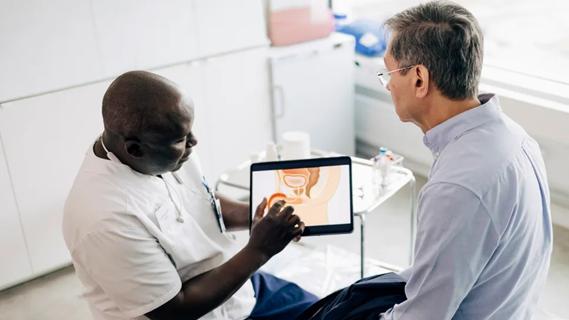
Adding 177Lu-PSMA-617 to ADT plus an ARPI cut the risk of radiographic progression or mortality by 28%

New program will help patients improve fitness and manage weight after cancer treatment

Cleveland Clinic hematologist highlights new guidelines and treatment advances in immune thrombocytopenia
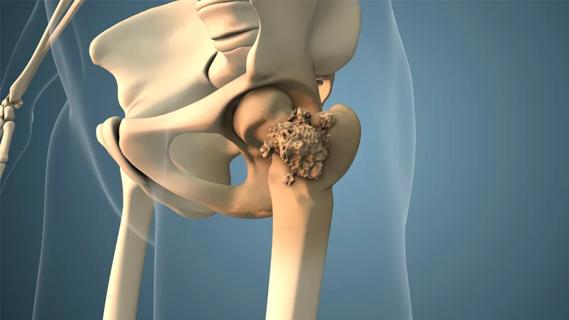
NIMBLE replaces weekly tumor board delays with same-day multidisciplinary recommendations
 Search