Locations:





Adding 177Lu-PSMA-617 to ADT plus an ARPI cut the risk of radiographic progression or mortality by 28%

Image content: This image is available to view online.
View image online (https://assets.clevelandclinic.org/transform/6a8b0e1f-fb22-40f4-8897-8a66e088a8fe/black-male-doctor-white-male-patient-prostate-2157683173)
Patient and doctor
Treatment intensification with androgen deprivation therapy (ADT) plus an androgen receptor pathway inhibitor (ARPI) has improved outcomes in metastatic hormone-sensitive prostate cancer (mHSPC), but most patients still eventually progress to castration-resistant disease. The international phase 3 PSMAddition trial asked whether adding the prostate-specific membrane antigen (PSMA)-targeted radioligand lutetium-177 (177Lu)-PSMA-617 up front could delay that progression. In patients with PSMA-positive mHSPC, it did: The triplet reduced the risk of radiographic progression or death by 28% compared with ADT plus ARPI alone.
Advertisement
Cleveland Clinic is a non-profit academic medical center. Advertising on our site helps support our mission. We do not endorse non-Cleveland Clinic products or services. Policy
The results were published in the Lancet, and on July 31, 2026, the FDA approved 177Lu-PSMA-617 in combination with an ARPI for this population. Cleveland Clinic Cancer Institute was the highest-enrolling site in the U.S.
“PSMAddition brings radioligand therapy into the hormone-sensitive setting for the first time. For patients with PSMA-positive disease, we now have a targeted way to intensify frontline treatment beyond hormonal therapy alone,” says Shilpa Gupta, MD, a genitourinary oncologist at Cleveland Clinic Cancer Institute and professor of medicine at the Cleveland Clinic Lerner College of Medicine at Case Western Reserve University. She is a principal investigator of the PSMAddition trial at the Cleveland Clinic and co-author of the Lancet publication.
177Lu-PSMA-617 delivers beta radiation directly to cells expressing PSMA, which is highly expressed in most prostate cancers. It was previously approved for PSMA-positive metastatic castration-resistant prostate cancer after treatment with an ARPI, with or without prior chemotherapy. PSMAddition tested whether moving it into first-line treatment alongside ADT and an ARPI could improve outcomes earlier in the disease course.
PSMAddition is the first phase 3 trial of a radioligand therapy in mHSPC. At 169 sites in 20 countries, 1,144 patients with PSMA-positive mHSPC on PSMA PET who were treatment-naive or minimally treated were randomized 1:1 to 177Lu-PSMA-617 (7.4 GBq ±10% every six weeks for up to six cycles) plus ADT and an investigator-selected ARPI, or to ADT plus ARPI alone. About two-thirds of patients had high-volume disease, and about half had de novo metastatic disease.
Advertisement
The primary endpoint was radiographic progression-free survival (rPFS), with overall survival as the key secondary endpoint. Additional endpoints included time to PSA progression and time to castration-resistant disease. Patients in the control arm could cross over to 177Lu-PSMA-617 at radiographic progression.
At the prespecified interim analysis, adding 177Lu-PSMA-617 reduced the risk of radiographic progression or death by 28% (HR 0.72; 95% CI 0.58–0.90; P = .002). The benefit was consistent across subgroups, including high- and low-volume disease and de novo and recurrent disease.
Secondary endpoints also favored the triplet. Time to PSA progression (HR 0.42) and time to castration-resistant disease (HR 0.70) were both prolonged. The objective response rate was 85.3% vs. 80.8%, and the complete response rate was 57.1% vs. 42.3%. More patients in the 177Lu-PSMA-617 arm achieved deep PSA responses, including undetectable PSA (<0.2 ng/mL).
“The depth of response really stood out. More patients reached undetectable PSA, which is one of the strongest prognostic markers we have in this disease, and we saw that in a population where most patients had high-volume disease,” says Dr. Gupta.
Overall survival data are still immature. At this interim analysis, the difference was not statistically significant, but it trended in favor of the 177Lu-PSMA-617 arm. Because the trial allowed crossover, 91 patients in the control arm had already received 177Lu-PSMA-617 by the data cutoff.
Advertisement
“Overall survival is trending in the right direction, but crossover can confound it,” says Dr. Gupta. “When patients in the control arm go on to receive the same drug after progression, it becomes harder to show a survival difference, even when the treatment is working. The final analysis will be important.”
Grade 3 or higher adverse events occurred in 51% of patients receiving the triplet therapy vs. 43% of those receiving ADT plus ARPI, with no unexpected safety signals. The most common side effect of 177Lu-PSMA-617 was dry mouth (46%), all grade 1 or 2. Nausea, anemia and low blood counts were also more frequent in the 177Lu-PSMA-617 arm. Because kidney and bone marrow effects of radioligand therapy can appear late, longer follow-up will be important.
“We need to be cautious about long-term safety as follow-up is still relatively short, and radioligand therapy can have late effects, especially on the bone marrow and can cause transformation of prostate cancer into more aggressive types as well as rarely secondary cancers that may not show up for years,” says Dr. Gupta. “That matters even more in the hormone-sensitive setting, where patients may live for many years after treatment.”
The approval adds a new, chemotherapy-free option for intensifying frontline treatment in patients with PSMA-positive mHSPC, selected with PSMA PET imaging. This therapy joins a growing list of approaches in this setting, including ADT plus an ARPI (doublet therapy), chemotherapy-based triplets combining ADT, docetaxel and an ARPI and biomarker-directed triplets. For patients with BRCA2-mutated tumors, the PARP inhibitor niraparib plus abiraterone and ADT was FDA-approved in December 2025 based on the AMPLITUDE trial. For patients with PTEN-deficient tumors, capivasertib plus abiraterone and ADT was approved in June 2026.
Advertisement
“There is no one-size-fits-all approach anymore. Treatment needs to be personalized to each patient, based on disease volume and biology, biomarkers like PSMA, BRCA and PTEN status, comorbidities, and the patient’s own goals and preferences,” says Dr. Gupta. Delivering these options well depends on close collaboration among medical oncology, urology, nuclear medicine, radiation oncology and imaging teams.
“Patients are often very interested in a targeted option that intensifies treatment without chemotherapy,” says Dr. Gupta. “The next questions are which patients benefit most, how best to sequence it and what the final survival data show.”
Follow-up in PSMAddition is ongoing, with final rPFS, overall survival and updated safety analyses planned.
Advertisement
Advertisement

New program will help patients improve fitness and manage weight after cancer treatment

Cleveland Clinic hematologist highlights new guidelines and treatment advances in immune thrombocytopenia
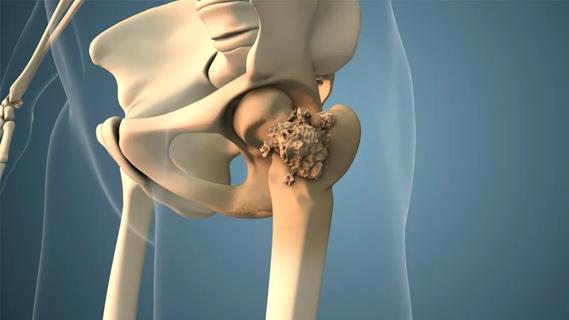
NIMBLE replaces weekly tumor board delays with same-day multidisciplinary recommendations

Cleveland Clinic study provides validation for the test, which combines AI and pathological data to predict outcomes in postoperative patients
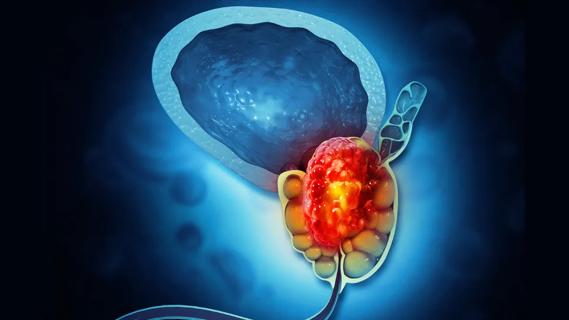
Advanced imaging technology catches metastases much earlier, allowing treatment with fewer side effects

Reduced radiation for lymph node areas reduces side effects

Large Cleveland Clinic analysis may help resolve a longstanding question over optimal fractionation

This single-port option offers advantages for appropriate patients
 Search