Locations:





 Search
Current trials study novel therapies for rhabdomyosarcoma and clear cell sarcoma
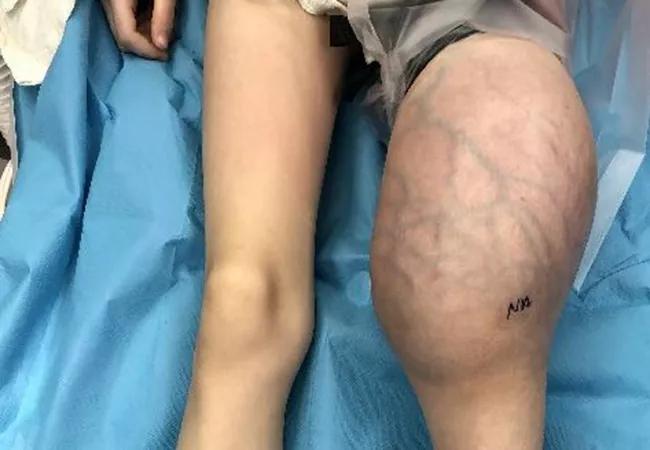
Image content: This image is available to view online.
View image online (https://assets.clevelandclinic.org/transform/ec30e40b-5814-4d15-a5c7-d121047493b9/21-ORI-2348541-650x450-picture-bone-sarcoma-A_jpg)
21-ORI-2348541 650×450 picture bone sarcoma-A
Treatment options for many sarcomas haven’t moved forward in decades. In many cases, clinicians are still using the same chemotherapies first developed a generation ago. But that may be starting to change.
Advertisement
Cleveland Clinic is a non-profit academic medical center. Advertising on our site helps support our mission. We do not endorse non-Cleveland Clinic products or services. Policy
Several new clinical trials at Cleveland Clinic are part of an effort to find better treatment options for a variety of sarcomas.
Current therapies tend to be highly toxic and not universally effective says Cleveland Clinic pediatric oncologist Matteo Trucco, MD. For decades, treatment focused on simply pushing chemotherapy doses higher and higher. But those strategies eventually plateaued.
“For the last 10 years or so, we’ve been trying to find therapeutic alternatives,” he says. “A lot of that started in the lab and is finally reaching maturation. Now we’re finally bringing these treatments to patients.”
Historically, sarcomas have been understudied compared to other tumors, notes Cleveland Clinic medical oncologist Dale Shepard, MD, PhD. Trials often grouped together many different sarcomas, taking a one-size-fits-all approach to treatment, often with poor results.
“Both researchers and clinicians are getting away from lumping sarcomas together and instead are treating them as the individual diseases they are,” he says.
Cleveland Clinic’s multidisciplinary team of specialists has made it a leader in sarcoma treatment and research, adds Dr. Shepard. Those specialists include radiologists, medical oncologists, radiation oncologists, pediatric oncologists, orthopaedic surgeons and a nationally recognized pathology lab, all focused on sarcoma treatment.
“It’s a dream team of people who specialize in these tumor types,” says Dr. Trucco.
Current sarcoma research at Cleveland Clinic includes these two trials being led or co-led by Dr. Trucco:
Advertisement
Advertisement
Dotatate PET/CT scan and molecular testing informed treatment trajectory

A proactive, framework-based approach

Patients on ibrutinib were more than twice as likely to experience atrial fibrillation or heart failure than those on second-generation alternatives.
Expert recommendations introduce use of targeted agents
Combination therapy may soon represent new standard of care
Research findings offer clues for improving disease outcomes in men

Creating a safe space for patients

Long-term immune effects reshape preventative strategies and timelines