Locations:





An update on the technology from the busiest Gamma Knife center in the Americas
Podcast content: This podcast is available to listen to online.
Listen to podcast online (https://www.buzzsprout.com/2243576/18232180)
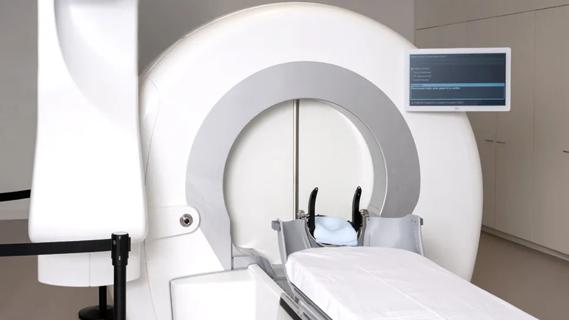
Although stereotactic radiosurgery (SRS) is most commonly used to treat brain metastases, the technology is employed for a range of other indications, including facial pain disorders, vascular abnormalities such as arteriovenous malformation, and benign tumors affecting auditory nerves or balance centers. “There is a myriad of uses for benign and metastatic brain disease, not to mention our use of other stereotactic radiosurgery platforms for spine tumors,” says neurosurgeon Lilyana Angelov, MD, Director of Cleveland Clinic’s Gamma Knife Center.
Advertisement
Cleveland Clinic is a non-profit academic medical center. Advertising on our site helps support our mission. We do not endorse non-Cleveland Clinic products or services. Policy
Those wide-ranging indications are a focus of Dr. Angelov’s comments in the latest episode of Cleveland Clinic’s Neuro Pathways podcast, along with expert advice for use of SRS based on Cleveland Clinic’s nearly three decades of experience with the technology. In the episode, Dr. Angelov addresses a range of issues, including:
Click the podcast player above to listen to the 32-minute episode now or read on for an edited excerpt of its transcript. Check out more Neuro Pathways episodes at clevelandclinic.org/neuropodcast or wherever you get your podcasts.
This activity has been approved for AMA PRA Category 1 Credit™ and ANCC contact hours. After listening to the podcast, you can claim your credit here.
Podcast host Glen Stevens, DO, PhD: You’ve been involved in some interesting research into ways of altering the pattern of administering stereotactic radiosurgery. Can you talk about fractionated or staged Gamma Knife® therapy?
Advertisement
Lilyana Angelov, MD: When there is a large lesion, one Gamma Knife treatment may sometimes not durably address the brain tumor, in cases of tumors that are 2 centimeters or larger in size. In these cases, one approach is to give the radiosurgery for five consecutive days in the hope of delivering a dose-dense treatment. Alternately, what we have pioneered here at Cleveland Clinic is to do two-staged radiosurgery, which involves treating a patient in a given month and then giving a second treatment a month later, allowing them to receive their systemic therapy in between these treatments. Very often these tumors shrink even after the first treatment so that when you deliver the second treatment a month later, it is a smaller lesion and therefore has a smaller area of normal brain tissue around it. So, this approach can reduce toxicity while still delivering dose-dense treatment and allowing uninterrupted systemic treatments in the meantime.
This has changed the way we understand options for treatment delivery, and we are part of a multi-institutional trial of this approach involving Cleveland Clinic and a Japanese group that does very similar treatments. Our tumor control rates with staged treatment are 91% at one year and beyond, so this is a very gratifying, highly effective treatment with very acceptable side effects for the patient.
Advertisement
Advertisement
Adequate dosing may improve outcomes in well-selected patients, large Cleveland Clinic series suggests

Radiation oncology department finds weekly plan of care meetings have multiple benefits

Daily five-fraction partial breast irradiation (PBI) shows similar acute and late toxicity as every other day PBI

Study offers a foundation for additional research to examine radiation and immune response
Number of stent layers correlates with worse outcomes

Designed for digitization, distance health, discovery and more

Combining customized care, research capabilities and flexibility for the future

Expanded bevy of dedicated ORs will feature customized designs, leading-edge technology, optimized workflows
 Search