Locations:





Repair of tiny lymphatic vessels offers big relief for patients with lymphedema after cancer surgery
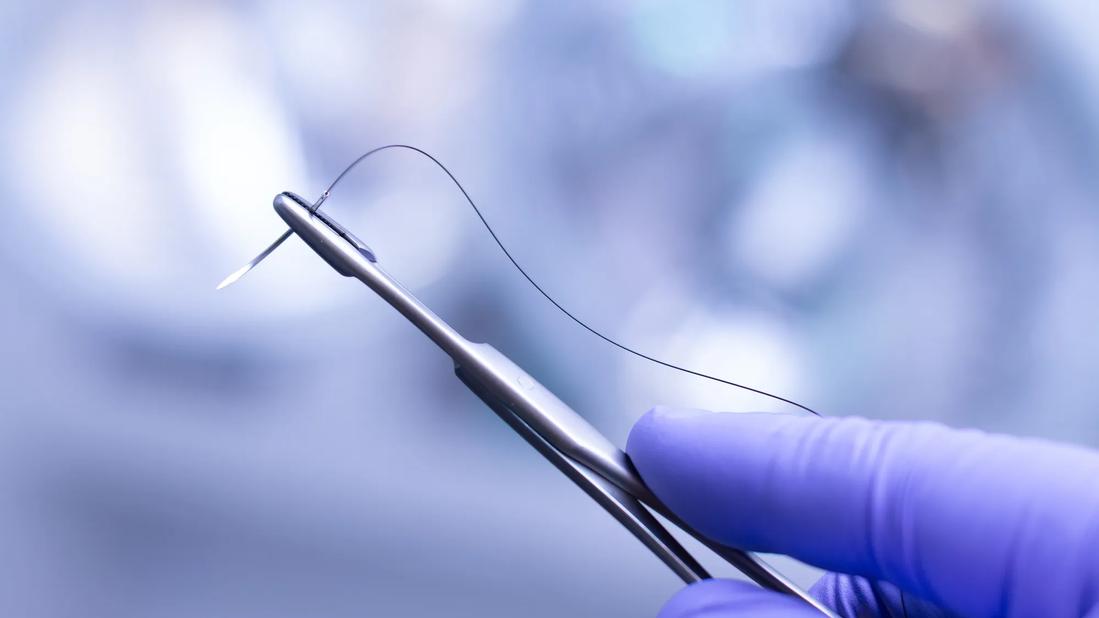
Image content: This image is available to view online.
View image online (https://assets.clevelandclinic.org/transform/6cfde77f-44f3-43aa-b75d-2eec4ae94290/Supermicrosurgery-and-Lymphedema)
Sutures thinner than a human hair are used to connect ultra-small microvessels and lymphatics during supermicrosurgery
For millions of Americans living with lymphedema, treatment has traditionally focused on managing symptoms and slowing disease progression. But advances in microsurgical techniques are giving specialists new ways to address the underlying lymphatic dysfunction and, in some cases, intervene before lymphedema develops.
Advertisement
Cleveland Clinic is a non-profit academic medical center. Advertising on our site helps support our mission. We do not endorse non-Cleveland Clinic products or services. Policy
Supermicrosurgery, which enables surgeons to connect tiny lymphatic vessels and blood vessels, is emerging as an increasingly important tool in the treatment and prevention of lymphedema. Yet access to this highly specialized expertise remains limited.
Cleveland Clinic Weston Hospital is one of just a handful of centers in Florida offering advanced lymphedema care that includes the full range of supermicrosurgical approaches.
Supermicrosurgery extends conventional microsurgical techniques to vessels measuring 0.3 to 0.8 mm in diameter, according to a consensus of global experts issued in 2014, though the lower limit has now reached 0.1 mm. By comparison, traditional microsurgery typically involves vessels and nerves up to 3 mm.
These procedures require specialized equipment, including operating microscopes capable of 5x to 40x magnification, micro-forceps with 0.1 mm tips, ultra-fine 11-0 or 12-0 sutures, and other highly specialized micro-instruments manipulated with pencil-type grips.
"Supermicrosurgery demands rigorous hand-eye coordination and great manual dexterity," says Andres Mascaro Pankova, MD, a board-certified plastic and reconstructive surgeon at Cleveland Clinic Weston Hospital. "We use sutures that are thinner than a human hair to connect ultra-small microvessels and lymphatics."
Dr. Mascaro completed a microsurgery fellowship at Yale University, which included training in supermicrosurgical techniques for lymphatic reconstruction. His areas of expertise include breast surgery and reconstruction, head and neck reconstruction, body contouring surgery and rhinoplasty.
Advertisement
"We can perform highly precise, minimally invasive reconstructions involving the anastomosis of very small vessels and nerves without sacrificing major muscles or blood vessels," says Dr. Mascaro.
Beyond treating lymphedema, supermicrosurgery techniques are also used for perforator-to-perforator tissue transfers in oncologic and reconstructive procedures and small-scale nerve repairs.
Lymphedema remains the most common and fastest-growing application of supermicrosurgery. The chronic, progressive condition occurs when impaired lymphatic drainage causes fluid to accumulate in the interstitial tissues. Without adequate treatment, patients may develop recurrent infections, disability, disfigurement and, in severe cases, life-threatening complications.
Up to 10 million Americans are living with lymphedema, yet the condition remains frequently underdiagnosed because of limited physician education, delayed symptom onset, and clinical overlap with other causes of extremity swelling.
While primary lymphedema caused by inherited conditions is rare, secondary lymphedema accounts for more than 90% of U.S. cases and most commonly develops following surgery, radiation therapy or trauma. Cancer survivors represent a particularly vulnerable population.
"Survivors of breast, gynecologic and genitourinary cancers are highly susceptible," says Martin Newman, MD, Section Head of the Florida Region's Department of Plastic and Reconstructive Surgery for Cleveland Clinic. “Up to 30% to 40% of breast cancer survivors develop at least some degree of lymphedema.”
Advertisement
Complete decongestive therapy remains the foundation of lymphedema management. Compression garments, massage, physical therapy, exercise and weight management can help control swelling and improve function. Access to conservative care improved following implementation of the Lymphedema Treatment Act in January 2024, which expanded Medicare coverage for compression garments.
For patients requiring surgery, treatment options fall into physiologic and resective categories.
Resective procedures, including radical excision and selective removal of tissue, are generally reserved for severe, life-limiting disease.
Cleveland Clinic Weston Hospital offers the full range of physiologic options for lymphedema, which are used to restore or augment lymphatic drainage.
Advertisement
Advanced imaging plays a critical role in all these procedures. Indocyanine green fluorescence angiography and ultra-high-frequency ultrasound allow surgeons to visualize lymphatic anatomy and function in real time before and during surgery, improving operative planning and execution.
One of the most promising developments in the field of supermicrosurgery is the prevention of lymphedema before it develops.
Immediate lymphatic reconstruction, for example, can be performed during breast cancer surgery, when arm lymphatics can be connected to nearby veins immediately after lymph node removal. Early data suggest this approach may reduce the risk of subsequent lymphedema.
Patients undergoing extensive lymph node dissections, planned radiation therapy, or aggressive oncologic resections may particularly benefit. A high BMI is an additional risk factor.
"If a patient is undergoing a large cancer resection involving the removal of several lymph nodes in the groin or the axilla, the surgeon can reduce the risk of the patient developing lymphedema by moving some of these tissues, whether it be just lymphatic vessels or a vascularized transfer, into that area," explains Dr. Newman.
Expanding access to advanced lymphedema care depends on developing more surgeons with the technical skills required to perform supermicrosurgery. Residents in Cleveland Clinic Weston Hospital's ACGME-accredited Plastic Surgery Residency Program are increasingly exposed to these techniques, helping introduce trainees to the emerging subspecialty.
Advertisement
Training alone, however, will not eliminate disparities in access. Despite evidence demonstrating improvements in limb volume, quality of life and cellulitis rates, some insurers continue to classify physiologic procedures such as lymphovenous bypass and vascularized lymphatic reconstruction as investigational.
A 2023 cross-sectional analysis of insurance coverage revealed that less than 12% of insured individuals in the United States have access to full pneumatic compression and advanced surgical treatments for lymphedema. Meanwhile, another study looking at hospital pricing data found low and inconsistent reimbursement and variation in procedural coding also create barriers to care.
Still, Dr. Newman and Dr. Mascaro are optimistic that broader adoption of supermicrosurgery, combined with standardized training and continued research, will improve access to advanced lymphedema treatments and more individualized care.
“The goal is shifting away from simply managing the consequences of lymphatic dysfunction,” adds Dr. Mascaro. “We want to restore lymphatic drainage, preserve function and prevent lymphedema whenever possible.”
Advertisement
Cleveland Clinic in Florida explores extended reality for multimodality image guidance

The American Society of Clinical Oncology (ASCO) recently released updated guidelines
Cleveland Clinic's transplant team in Florida is using circulatory-death donor hearts to expand transplant opportunities for patients.
AI-enhanced mammography improves cancer detection and may support more personalized screening strategies
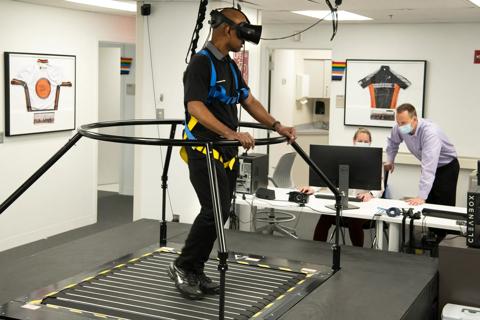
The Center for Neurological Restoration offers a structured, multidisciplinary approach to conditions that often require longitudinal management and escalation beyond first-line therapies
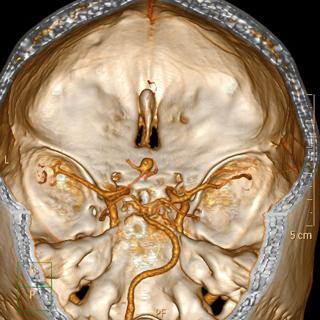
Multidisciplinary expertise provides advanced evaluation, second opinions and personalized treatment planning for patients with challenging cerebrovascular disorders
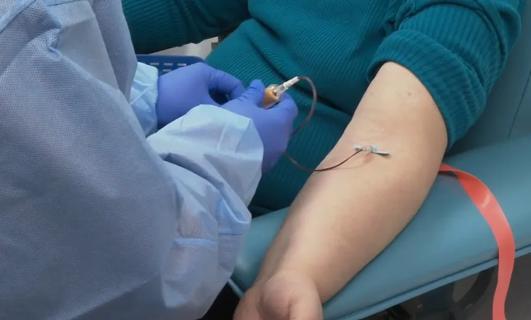
Study highlights strong predictive value of circulating tumor DNA testing

Researchers with Cleveland Clinic in Florida highlight need for a national registry for gastrointestinal stromal tumors
 Search