Locations:


Howley ASPIRE Program prepares caregivers for the professional road ahead
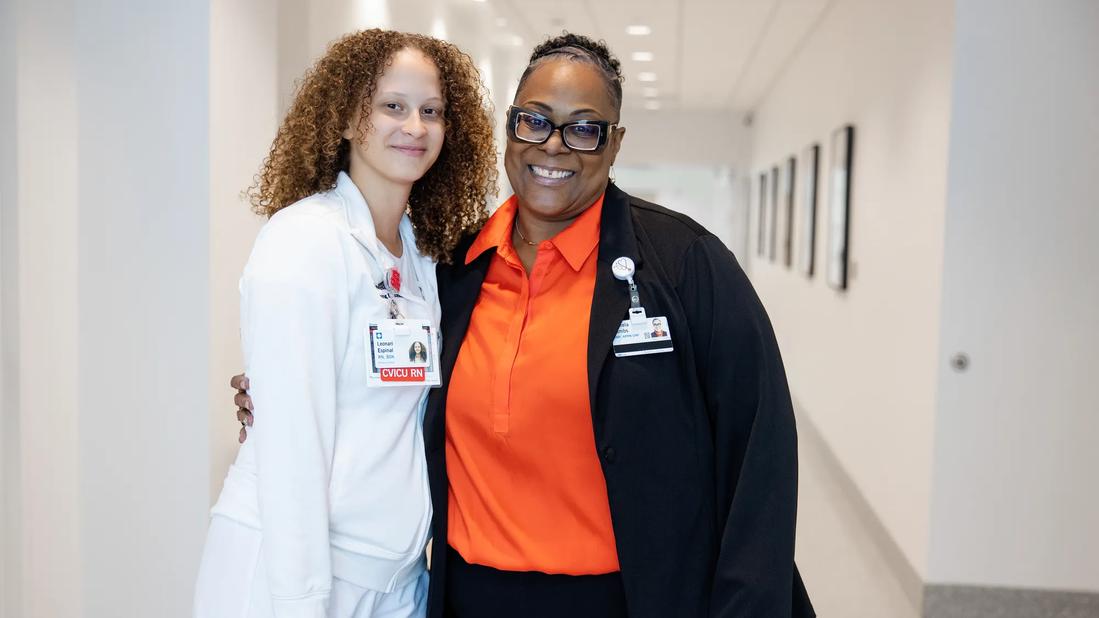
Image content: This image is available to view online.
View image online (https://assets.clevelandclinic.org/transform/30ad2d0e-4bf1-4839-bbc3-6b4cde9bc121/NUR_8871886_08-06_26_1743_AMO)
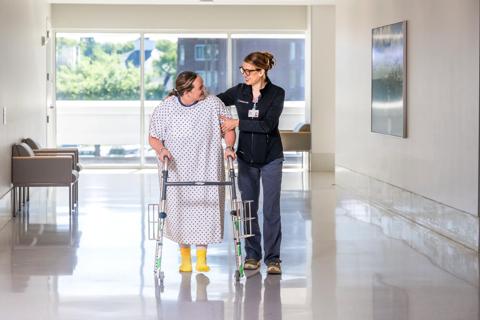
Nurses Pam Combs and Leonari Espinal
Pamela Combs, DNP, BC-NP, has spent nearly a decade championing Cleveland Clinic’s Howley ASPIRE Program, an immersive educational initiative that prepares high school students for careers in healthcare. But when a close family member was hospitalized and she discovered that the nurse providing care was a graduate of the very program she leads, the connection touched her in a profoundly personal way.
Advertisement
Cleveland Clinic is a non-profit academic medical center. Advertising on our site helps support our mission. We do not endorse non-Cleveland Clinic products or services. Policy
“It was a true full-circle experience and a powerful reminder that our influence extends far beyond the classroom,” Combs says. “Knowing that a nurse our program helped guide and support was now caring for someone I love filled me with a great sense of pride. It was also a powerful reminder of why this work matters and the lasting impact we can have when we invest in the next generation of caregivers.”
Leonari Espinal, BSN, RN, the nurse caring for Combs’s relative, was one of 38 Howley ASPIRE Program graduates now serving as registered nurses at Cleveland Clinic. Espinal (pictured above, on left, with Combs) works in the cardiovascular ICU.
Established in 2017, the Howley ASPIRE Program provides high school students with an immersive introduction to four healthcare specialties and a supported pathway to a bachelor's degree and employment as a registered nurse. The nursing pipeline initiative was the brainchild of Kelly Hancock, DNP, RN, NE-BC, FAAN, Executive Vice President, Chief Caregiver Officer and Chief Administrative Officer at Cleveland Clinic, and philanthropists Nick and Lorie Howley of The Howley Foundation. Nearly a decade later, the program has grown to accept as many as 110 students per academic year.
Now in its ninth year, the Howley ASPIRE Program has more than 200 active members, including high school juniors and seniors, college students and new graduates. In recent years, the initiative has expanded to include three additional career paths: respiratory therapy, surgical technology and sterile processing. Achieving this level of success has involved a “strategic, targeted recruitment process that relies on the expertise of our entire team,” Combs says.
Advertisement
The program’s multifaceted recruitment strategy includes visits to area high schools, where program representatives connect directly with students and educators; social media campaigns; flyers distributed at student hot spots; and good old-fashioned word of mouth.
Believing exposure can begin well before high school, Combs continues to participate in local career days and has spoken with students as young as third grade about careers in healthcare. She also encourages other caregivers to engage with schools and community events, noting that simply seeing nurses in their professional roles can help young people envision themselves in healthcare.
“Our goal is to empower individuals and communities by aligning with the Howley Foundation's mission of promoting upward social and economic mobility through access to high-quality education,” she says. “Any time you’re providing opportunities for exposure, you’re planting an indelible seed.”
Howley ASPIRE Program students, who begin their journey in their junior year of high school, participate in a series of enrichment and clinical exposure sessions that introduce them to the healthcare environment. Those who maintain program eligibility are invited to continue through their senior year, when they'll receive additional immersive, hands-on training until they graduate.
The experiential curriculum, which is provided at Cleveland Clinic’s Stanley Shalom Zeilony HealthSpace Campus, includes multimodal approaches to learning like simulation, hands-on learning and exposure. Participants also learn about professional expectations and receive vital tools for success. The experience is designed not only to introduce students to healthcare, but also to help them determine whether it's the right fit.
Advertisement
To promote success, the program stresses immersion in nursing, sterile processing, respiratory therapy and surgical technology — early and often. Combs notes the program’s infrastructure and vision were designed to be expanded over time to reach an increasing number of students.
“We take what we learn and adjust the curriculum every year to meet the evolving needs of our students and the healthcare system in general,” she adds.
Unlike similar initiatives around the country, the Howley ASPIRE Program nurtures and supports participants all the way through completion of a college degree. Once they graduate from high school, participants who are pursuing an academic track in nursing, respiratory therapy or surgical technology are employed as PRNs or "as needed" caregivers while attending college.
Cleveland Clinic's sterile processing program employs students in full-time roles upon high school graduation. Students who choose to pursue post-secondary education have the flexibility to work as needed while prioritizing their studies. Although the transition to college and the healthcare workforce can be demanding, Combs emphasizes that the Howley ASPIRE faculty remains involved by working with key stakeholders to address students’ needs.
“We provide a strong sense of connection that gives participants an important educational and vocational advantage,” she says, adding that the program’s comprehensive, long-term structure enables its leaders to foster professionalism, job readiness and life skills.
Advertisement
Combs also highlights another cornerstone of the program: mentorship. Participants are paired with mentors and have opportunities to learn from caregivers who are in various stages of their careers, creating connections that extend throughout the Howley ASPIRE Program experience.
“Our ultimate goal is to provide alums with the opportunity to build their careers at Cleveland Clinic. We have developed a sustainment plan that encourages a lifelong relationship between our organization and our Howley ASPIRE graduates,” she says.
For Combs, a first-generation nurse, the program's success ultimately comes back to purpose.
“I see myself in our students,” she says. “What really moves me is knowing how many people – including members of my own family – will benefit from the work we’re doing. It’s wonderful to be a part of a program that is helping to shape patient care for generations to come.”
Advertisement
Advertisement
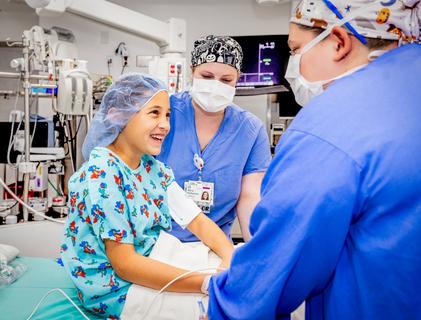
Specialized training prepares caregivers to address the unique physical and emotional needs of young patients
Using meticulous preparation and teamwork to manage critically ill patients in constantly changing environments

Translating clinical questions into meaningful, sustainable change
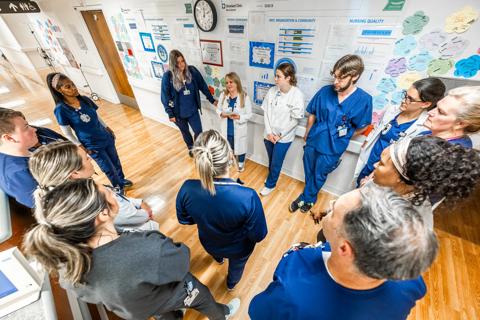
Guidance for creating a relevant framework that reflects organizational values, supports professional practice

Helping patients recognize respiratory changes, navigate treatment barriers and stay connected to their clinical team
Initiative provides hands-on opportunities to promote early, progressive activity

Continuing to grow by following the right path at the right time

Teaching caregivers to recognize warning signs, de-escalate difficult situations and maintain professional boundaries
 Search