Locations:


Podcast content: This podcast is available to listen to online.
Listen to podcast online (https://www.buzzsprout.com/2256206/20120172)
Forensic nursing occupies a unique space in healthcare, bringing together clinical expertise, patient advocacy and the legal system. When managing patients who have experienced intentional harm, caregivers must consider the medical needs of each individual while addressing the complexities of evidence collection, legal considerations and trauma-informed support.
Advertisement
Cleveland Clinic is a non-profit academic medical center. Advertising on our site helps support our mission. We do not endorse non-Cleveland Clinic products or services. Policy
"The role of a forensic nurse is to care for anyone who has experienced intentional harm," says Heather Tripp, MEd, BSN, RN, SANE-A, SANE-P, enterprise nurse manager of forensic nursing at Cleveland Clinic. “You may not be able to fix what happened or make it go away, but you can help patients recognize that they matter. Those moments of connection are constant endless opportunities to serve with heart. Working with these patients is a privilege that inspires me to be a better person.”
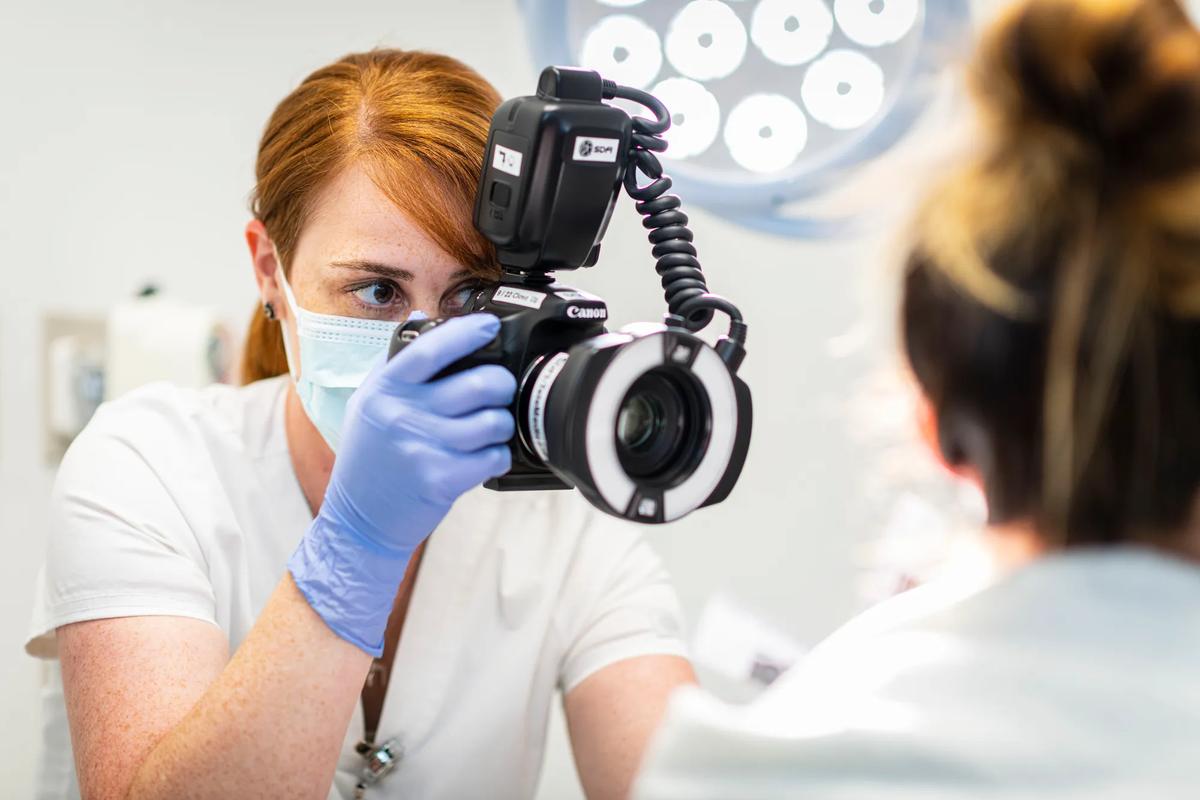
Image content: This image is available to view online.
View image online (https://assets.clevelandclinic.org/transform/bf0d5325-bf9e-43fd-944c-e1950cdad316/NUR-2338225_08-18-21_131_SG-jpg)
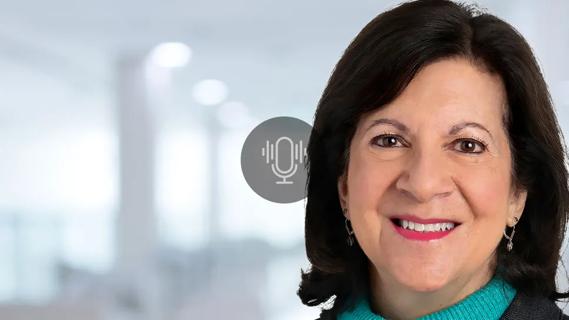
Forensic nurses like Tripp (pictured) receive specialized training in evidence collection.
In this episode of Nurse Essentials, Tripp describes her own career journey, highlights the importance of trauma-responsive care and patient empowerment, and explains how interdisciplinary collaboration helps streamline sensitive examinations and evidence collection. She also details the challenges and rewards of forensic nursing and stresses the need for self-care.
Click the podcast player above to listen to the episode now, or read on for a short, edited excerpt. Check out more Nurse Essentials episodes at https://my.clevelandclinic.org/podcasts/nurse-essentials or wherever you get your podcasts.
Podcast host Carol Pehotsky, DNP, RN, NEA-BC: We could do a whole episode on trauma-informed care – but at a high level, can you describe the approach?
Tripp: I think the most important thing to keep in mind when talking about trauma-informed – or trauma-responsive – care is its ability to allow caregivers to collaborate with their patients and level the playing field once we walk into the room. A trauma-informed approach [leads us to] assume that the patient in front of us may have had some uncomfortable or unpleasant prior experiences with the medical field and with nurses and doctors. Some of these folks have spent their whole lives encountering systems that have failed them. We hate to say that – but for a lot of our patients, it’s the truth.
Advertisement
Let patients know that you’re working for them today…it's an exchange. I'm going to share all the knowledge, resources and support that I can, but you – the patient – are the expert in your own life. We should also make sure that we’re extending that same grace and care to ourselves, our team and the other people we work with. Don't make assumptions. Be curious, and don't take things personally.
Forensic nurses, in particular, often see patients who are absolutely enraged – and have every right to be. We're not there to tell them how to act or feel. Part of trauma responsiveness is recognizing that although a person’s got big feelings, they’re not directed at us. It's okay to say, "Hey, I see you're upset. You have every right to be. What can I do to help you?" We can recognize complex emotions while also letting people be.
Advertisement
Advertisement

Tech-driven specialty embraces change to shape the future
Findings highlight the value of simple, evidence-based comfort measures at the bedside

How transferable skills and professional curiosity can lead to unexpected rewards
Event fosters career exploration and advancement through ongoing education
Short, structured check-ins help build nurse resilience
Nurses identify knowledge gaps, moral distress and the need for clear organizational guidance
Affinity groups promote shared decision-making and clinical consistency across specialties
How simple ideas can lead to practice-changing inventions
 Search