Locations:





A reconcilable divorce
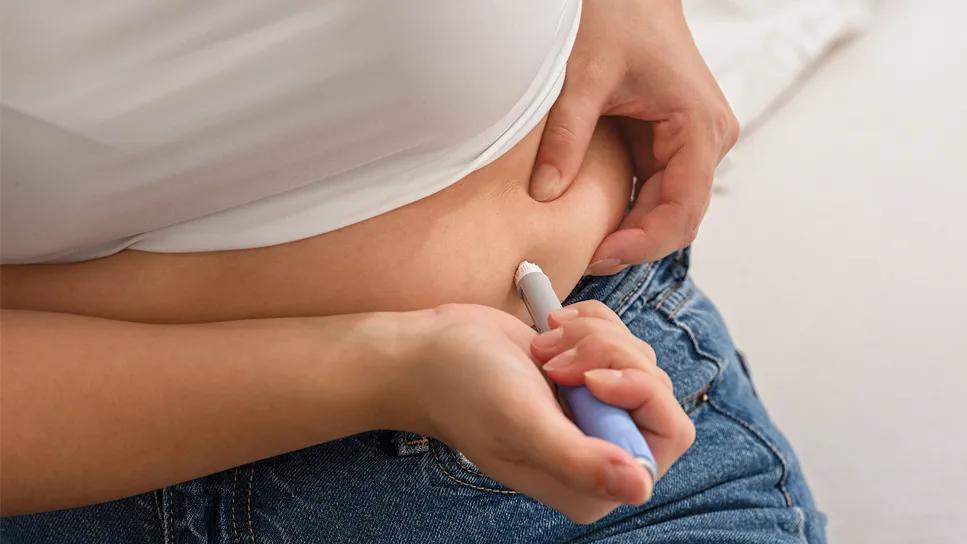
Image content: This image is available to view online.
View image online (https://assets.clevelandclinic.org/transform/57525c22-69f0-4be7-8a87-4843fca28ee1/glp1s-and-pancreatitis-2178836355)
woman injecting GLP-1 shot
This article is republished from the Cleveland Clinic Journal of Medicine.
Advertisement
Cleveland Clinic is a non-profit academic medical center. Advertising on our site helps support our mission. We do not endorse non-Cleveland Clinic products or services. Policy
By Adi E. Mehta, MD, Laura D. Lomeli, BA and Kevin M. Pantalone, DO, ECNU
Incretin-based drug therapies such as glucagon-like peptide-1 (GLP-1) receptor agonists and dual glucose-dependent insulinotropic peptide and GLP-1 receptor agonists are rapidly becoming first-line options for treating type 2 diabetes. These agents have a beneficial effect on pancreatic islet function by facilitating the secretion of insulin in response to ambient blood glucose levels and inhibiting glucagon secretion both directly and indirectly.1
The remarkably low incidence of hypoglycemia and significant weight loss associated with these agents have contributed to their increased use. The effect of GLP-1 receptor agonists on the exocrine pancreas and the risk of acute pancreatitis has remained a cause for concern. Early clinical trials evaluating the efficacy of GLP-1 receptor agonists reported a slightly increased risk of acute pancreatitis with these medications versus placebo or conventional treatment.2,3
Since then, multiple meta-analyses, using data collected from large-scale cardiovascular outcome trials and the U.S. Food and Drug Administration Adverse Event Reporting System database, have reported mixed findings on the relationship between GLP-1 receptor agonist therapy and pancreatitis.2,4–8
Concern about the risk of pancreatitis increased after GLP-1 receptor agonist indications for use expanded to include cardiovascular and renal protection, obesity and metabolic dysfunction–associated fatty liver disease (MAFLD; formerly known as nonalcoholic fatty liver disease). As a result, clinicians have avoided using GLP-1 receptor agonists in patients with a history of acute pancreatitis.
Advertisement
There are many known acute pancreatitis risk factors.9–12 Most of these are not aggravated or caused by GLP-1 receptor agonists, except possibly gallbladder disease.13
Obesity
Obesity increases the incidence and severity of acute pancreatitis.9 Visceral fat in the abdomen, regardless of body mass index, has the greatest impact on the development of acute pancreatitis. Obesity increases the risk of acute pancreatitis through the following ways.
Gallstones
Gallstones(cholelithiasis) are caused by changes in bile composition and biliary motility. While a high-fat diet increases cholesterol secretion into the bile, which can lead to sludge and stone formation,9 rapid weight loss and less frequent, low-fat meals also contribute to sludge and stone formation, as discussed later.
Hypertriglyceridemia
A very high triglyceride level ( > 1,000 mg/mL), which is commonly seen in obesity, can induce acute pancreatitis.9 Triglycerides are insoluble, and the resulting microthrombi that form in the pancreatic blood vessels cause ischemia and infarction. Insulin resistance and type 2 diabetes mellitus are associated with ectopic fat deposition not only in the liver and heart, as is well recognized, but also in the pancreas.14 The increased fat accumulation, or steatosis, in the pancreas induces chronic inflammation, predisposing to acute pancreatitis.15,16
MAFLD
MAFLD is also independently associated with a higher risk of acute pancreatitis.17 A recent study found that MAFLD was present in 39% of patients with acute pancreatitis. Additionally, the patients with MAFLD had a 63% higher risk of having severe acute pancreatitis compared with patients with acute pancreatitis who did not have MAFLD.17
Advertisement
Rapid weight loss
Although weight loss in general has been shown to reduce the risk of gallstones, rapid weight loss (more than 1.5 kg per week) or excessive weight reduction (> 25% body weight) increases the risk of developing gallstones.18 During a period of rapid weight loss, hepatic cholesterol synthesis and secretion increase, which alters the ratio of cholesterol to bile salts within the gallbladder.18 When coupled with smaller and more infrequent meals, bile salt secretion into the intestine is decreased, reducing gallbladder motility and triggering the formation of biliary sludge, i.e., crystals or microliths composed of precipitated lipid particles. Notably, GLP-1 receptor agonists also slow biliary motility, which can contribute to the development of bile duct–blocking sludge and stones, resulting in acute pancreatitis.13
Repeatedly losing and gaining weight (known as weight cycling) is also an independent risk factor for gallstones.19 When fluctuations are severe within a single weight cycle (≥ 9 kg), the risk of requiring a cholecystectomy increases by up to 68% in women.20 Similar findings were also reported for men.21
Bariatric surgery
In a retrospective analysis of 2,695 patients who underwent bariatric surgery, 1.04% of patients (versus 0.017% of the general population) developed acute pancreatitis during a median follow-up of 3.5 years (interquartile range 1.9–5.8 years).22 One patient had severe acute pancreatitis, and there was one pancreatitis-related death. In the nested case-control extension of the study, a history of acute pancreatitis was the only baseline variable found to predict postoperative acute pancreatitis. Other variables associated with acute pancreatitis risk after bariatric surgery include the following.22
Advertisement
Similarly, a retrospective analysis of the National Readmission Database showed that the factors associated with the greatest risk for developing acute pancreatitis after bariatric surgery are younger age and the presence of gallstones.23
Rapid weight loss after gastric bypass, biliopancreatic diversion or sleeve gastrectomy has been reported to initiate gallstone formation in 30% of patients during the first six to 12 months after surgery.24
Effects on the exocrine pancreas
GLP-1 is an incretin hormone secreted by the gastrointestinal tract after a meal. The exocrine pancreas has GLP-1 receptors, mainly on the acinar cells.25 In vitro studies showed that GLP-1 receptor binding did not directly stimulate amylase or lipase release. Rather, GLP-1 receptor activation results in cell growth, and the enzyme release may simply reflect adaptive growth instead of an inflammatory response.25
Although data from clinical studies on liraglutide revealed a 7% increase in serum amylase and a 31% increase in serum lipase in patients after four weeks of GLP-1 receptor agonist treatment compared with placebo, the increased levels reverted to normal once therapy was discontinued and did not predict acute pancreatitis onset.26
Clinical data on GLP-1 receptor agonists and pancreatitis occurrence
Postlethwaite, et al 7 reported that, among 2,245 patients with obesity (mean body mass index 39.7 kg/m2 ) who started GLP-1 receptor agonist therapy, 49 (2.2%) developed acute pancreatitis. Higher risk factors were a history of type 2 diabetes, tobacco use and advanced chronic kidney disease (≥ stage 3). More importantly, well-known pancreatitis risk factors—history of alcohol use disorder, pancreatitis or gallstone disease—were not associated with an increased risk of acute pancreatitis after starting GLP-1 receptor agonist therapy.
Advertisement
Liraglutide studies
Two large prospective outcomes studies afforded the opportunity to assess whether there was an association between a GLP-1 receptor agonist and pancreatitis. The LEADER trial28 (Liraglutide Effect and Action in Diabetes: Evaluation of Cardiovascular Outcome Results) studied a 1.8-mg dose in more than 9,000 patients with type 2 diabetes and found the incidence of acute pancreatitis was similar between the liraglutide and placebo groups (0.4% vs 0.5%, respectively). However, the SCALE trial29 (Effect of Liraglutide on Body Weight in Non-Diabetic Obese Subjects or Overweight Subjects With Co-Morbidities), which studied a 3.0-mg dose of liraglutide in about 3,000 participants with overweight or obesity and who did not have type 2 diabetes, noted an increased risk of acute pancreatitis in the treatment group (0.4%) versus the placebo group (< 0.1%).
Neither study showed a significant increase in amylase (7% for both studies) or lipase (28% in the LEADER trial and 31% in the SCALE trial) values after starting liraglutide compared with placebo, and the positive predictive values of amylase and lipase for pancreatitis were less than 1%.30 Also, the onset of acute pancreatitis occurred after 12 months in the LEADER trial and after more than five to six months in the SCALE trial, indicating that the likelihood of developing pancreatitis was influenced more by the rate and degree of weight loss than the drug itself.30
An early peak in acute pancreatitis also occurred within the first 60 days of starting therapy in the SCALE trial. This is the time when the gastrointestinal side effects of these agents, namely nausea, anorexia and some vomiting, are most evident. Thus, less frequent and smaller meals are recommended, which would predispose patients to biliary sludge, gallstone formation and slowed biliary motility. This would be even more pronounced in patients with subclinical gallbladder disease.30
Semaglutide
A systematic review and meta-analysis of injectable or oral semaglutide for type 2 diabetes mellitus found no evidence of increased incidence of acute pancreatitis.31 In a trial evaluating semaglutide for weight loss, the incidence of acute pancreatitis was still low (3 of 1,306 participants) despite a higher dose and more significant weight loss, but none of the 655 individuals in the placebo group developed pancreatitis.32 A meta-analysis of randomized clinical trials of semaglutide also did not find an increased risk of acute pancreatitis compared with placebo (odds ratio 0.7, 95% confidence interval 0.5–1.2) regardless of dose, formulation (injectable or oral), or indication.33
Tirzepatide
Tirzepatide (a dual glucose-dependent insulinotropic peptide and GLP-1 receptor agonist) safety was evaluated in a meta-regression study that established individual adverse event rates at weekly doses of 5, 10 and 15 mg.34 Nearly similar pooled proportions of acute pancreatitis, ranging from 0.3% to 0.4%, were reported for all three doses.
In a large network meta-analysis of data from 102,257 participants, pooled results suggested a neutral relationship between GLP-1 receptor agonists and acute pancreatitis (relative ratio 0.96, 95% confidence interval 0.31–3.00).35
Overall, numerous meta-analyses to date have failed to find a statistically significant increase in pancreatitis incidence associated with GLP-1 receptor agonist therapy.4–7,31,33,35 The relationship seems to be between pancreatitis and weight loss rather than the GLP-1 receptor agonist.
The U.S Food and Drug Administration drug labels for GLP-1 receptor agonists include a warning that acute pancreatitis has been observed in patients and that treatment should be discontinued promptly if acute pancreatitis is suspected.4 The labels for GLP-1 receptor agonists do not directly contraindicate their use in patients with a history of pancreatitis. Patients with preexisting pancreatitis were excluded from GLP-1 clinical trials36; therefore, there has been a sense of caution about such use. However, a growing body of clinical data can help address this clinical question.
Results from a Cleveland Clinic review
A retrospective chart review from Cleveland Clinic identified 161 patients (mean body mass index 35 ± 8 kg/m2 ) who had a documented history of pancreatitis and then had recurrent acute pancreatitis after being prescribed a GLP-1 receptor agonist.36 The causes of the initial acute pancreatitis episodes, before starting GLP-1 receptor agonist therapy, were idiopathic in 77 patients (48%), gallstones in 49 (30%), alcohol use in 21 (13%), hypertriglyceridemia in 9 (6%), and medication related in five (3%).
Of those 161 patients, 16 (10%) experienced recurrent acute pancreatitis after GLP-1 receptor agonist therapy (mean duration 10.8 ± 7.2 months): 6 (38%) were caused by the GLP-1 receptor agonist (as clinically determined by the treating medical team), three (18%) were due to hypertriglyceridemia, two (12%) due to alcohol use, one (6%) due to another oral hypoglycemic agent, one (6%) due to ampulla stenosis, and three (19%) were idiopathic.
This study showed that the risk of recurrent pancreatitis in a cohort of patients taking GLP-1 receptor agonists (10%) was likely no greater than what is observed in the general population and that more than half of the episodes of recurrent pancreatitis were attributable to causes other than GLP-1 receptor agonist therapy.36–38
Start with screening
Because patients being considered for GLP-1 receptor agonist therapy are already at risk of developing acute pancreatitis due to having type 2 diabetes, obesity or both, screening for other potential risk factors before starting treatment is recommended.8,36,39–44 Hypertriglyceridemia presents an added risk for pancreatitis, especially if there is documented evidence of triglyceride levels exceeding 1,000 mg/dL. Addressing hypertriglyceridemia before starting GLP-1 receptor agonist therapy by implementing a low-carbohydrate diet and triglyceride-lowering medications could be preventive, even though GLP-1 receptor agonists will lower triglyceride levels.39
MAFLD
Patients with MAFLD and an elevated fibrosis-4 index score or who have symptoms of gallbladder disease should undergo liver and gallbladder ultrasonography. Data from a cross-sectional study found significantly higher mean levels of alkaline phosphatase, alanine aminotransferase, aspartate aminotransferase, gamma-glutamyl transferase, bilirubin and superoxide dismutase in patients with cholecystitis versus a control group without cholecystitis.40 However, these levels can be elevated for many reasons; thus, they are only helpful to predict the need for a screening liver and gallbladder ultrasonography.
Preexisting subclinical gallbladder disease is characterized by visualizing stones or sludge in the gallbladder, which typically appears as low-level, mobile echoes with no acoustic shadowing, often layering in the dependent portion of the gallbladder and moving with positional changes.
Gallbladder disease
In patients with established gallbladder disease, the relative risks and benefits of a cholecystectomy or preventive treatment with ursodeoxycholic acid before starting GLP-1 receptor agonist therapy should be thoroughly discussed.18
Hypercalcemia
Acute pancreatitis due to hypercalcemia is uncommon, but it can be life-threatening.41 GLP-1 receptor agonists can be associated with the development of both hypocalcemia and hypercalcemia. Hypocalcemia is most commonly seen within the first six months of GLP-1 receptor agonist therapy, while hypercalcemia is noted to occur after at least six months of therapy.42 The mechanisms of these complex effects are still being elucidated, and it is unclear whether there is a direct effect via GLP-1 receptors in bone cells or indirect effects mediated through the gut. The effect seems to be related to the GLP-1 receptor agonist’s potency for weight loss. Thus, patients taking the agents associated with the greatest weight loss, tirzepatide and semaglutide, have the highest incidence of developing both hypocalcemia and hypercalcemia.
Alcohol use
A patient with a history of excess alcohol use must be advised to stop consuming alcohol before starting GLP-1 receptor agonist therapy. Fortunately, the agent itself has an independent effect on curbing alcohol intake and cravings by affecting brain pathways related to reward and addiction.43,44
Smoking
Patients who are current smokers should be encouraged to quit, as smoking increases the risk of pancreatitis.8
History of pancreatitis
Finally, it is essential to determine the etiology of previous episodes of pancreatitis before starting GLP-1 receptor agonist treatment. Corrective measures should be taken if the cause is preventable or reversible.36 In some situations, the specific risk factor may have been mitigated and is no longer a concern (e.g., a high triglyceride level that is now within normal range, previous excess alcohol use in a patient who is currently sober, history of gallstones since resolved by cholecystectomy). Regardless, the patient needs to be informed about a possible increased risk of pancreatitis recurrence so they can decide based on their own level of acceptable risk.
Continue monitoring
During GLP-1 receptor agonist therapy, monitor patients for the following signs or symptoms of acute pancreatitis:
Weight loss of more than 1.5 kg per week is usually associated with prolonged periods of fasting or anorexia and, as discussed earlier, causes the release of cholesterol into the bile and induces bile stasis. Patients who experience rapid weight loss should undergo gallbladder ultrasonography to screen for imminent biliary pathology. The GLP-1 receptor agonist dose should be lowered and patients should be encouraged to increase meal size and frequency.
In addition, a diet that is 19% to 30% fat (e.g., nuts, cheese, egg yolks) is recommended to promote bile flow and prevent gallstone formation.18 Some programs recommend ursodeoxycholic acid 500 to 1,200 mg during the first six to nine months after bariatric surgery, when the rate of weight loss is the greatest, to prevent gallstone formation.24
Similarly, it is prudent to prescribe ursodeoxycholic acid during the first year of GLP-1 receptor agonist therapy to prevent gallstone formation. Stool that is consistently pale also suggests a lack of bile secretion, and the same recommendations for rapid weight loss would apply.
Patients who report feeling discomfort or fullness in the right upper quadrant of their abdomen should also undergo gallbladder and liver ultrasonography. Abnormal findings should prompt a consultation with gastroenterology. If cholelithiasis or biliary sludge is suspected, appropriate gallbladder studies and clinical follow-up would be advised.
GLP-1 receptor agonists have great therapeutic potential for treating diabetes and obesity; preserving cardiovascular, cerebrovascular and renal function; reversing MAFLD; and potentially slowing the progression of dementia.45 Clinicians should not limit the use of GLP-1 receptor agonists and deny potential medical benefits to patients because of a history of pancreatitis or a likelihood of developing pancreatitis.
Patients can be counseled about potential risks and benefits and allowed to participate in informed decision-making. The risk of pancreatitis can be minimized by addressing and mitigating risk factors from previous episodes, regulating the rate of weight loss by adjusting the GLP-1 receptor agonist dose and the content and frequency of meals, closely monitoring patients during GLP-1 receptor agonist therapy, and implementing appropriate precautionary measures. Data from future prospective or observational studies in patients with a history of pancreatitis will be helpful to further clarify appropriate uses of this important class of drugs.
1. Campbell JE, Drucker DJ. Pharmacology, physiology, and mechanisms of incretin hormone action. Cell Metab 2013; 17(6):819–837.
2. Liu L, Chen J, Wang L, Chen C, Chen L. Association between different GLP-1 receptor agonists and gastrointestinal adverse reactions: a real-world disproportionality study based on FDA adverse event reporting system database. Front Endocrinol (Lausanne) 2022;13:1043789.
3. U.Ss Food and Drug Administration. FDA Drug Safety Communication: FDA investigating reports of possible increased risk of pancreatitis and pre-cancerous findings of the pancreas from incretin mimetic drugs for type 2 diabetes. Updated February 21, 2018. https://www.fda.gov/drugs/drug-safety-and-availability/fda-drug-safety-communication-fda-investigating-reports-possible-increased-risk-pancreatitis-and-pre. Accessed July 18, 2025.
4. Storgaard H, Cold F, Gluud LL, Vilsbøll T, Knop FK. Glucagon-like peptide-1 receptor agonists and risk of acute pancreatitis in patients with type 2 diabetes. Diabetes Obes Metab 2017; 19(6):906–908.
5. Nreu B, Dicembrini I, Tinti F, Mannucci E, Monami M. Pancreatitis and pancreatic cancer in patients with type 2 diabetes treated with glucagon-like peptide-1 receptor agonists: an updated meta-analysis of randomized controlled trials. Minerva Endocrinol (Torino) 2023;48(2):206–213.
6. Abd El Aziz M, Cahyadi O, Meier JJ, Schmidt WE, Nauck MA. Incretin-based glucose-lowering medications and the risk of acute pancreatitis and malignancies: a meta-analysis based on cardiovascular outcomes trials. Diabetes Obes Metab 2020; 22(4):699–704.
7. Cao C, Yang S, Zhou Z. GLP-1 receptor agonists and pancreatic safety concerns in type 2 diabetic patients: data from cardiovascular outcome trials. Endocrine 2020; 68(3):518–525.
8. Alenzi KA, Alsuhaibani D, Batarfi B, Alshammari TM. Pancreatitis with use of new diabetic medications: a real-world data study using the post-marketing FDA adverse event reporting system (FAERS) database. Front Pharmacol 2024; 15:1364110.
9. Khatua B, El-Kurdi B, Singh VP. Obesity and pancreatitis. Curr Opin Gastroenterol 2017; 33(5):374–382.
10. Gapp J, Tariq A, Chandra S. In: Acute pancreatitis. Treasure Island, FL: StatPearls Publishing; 2025.
11. Valverde-López F, Martínez-Cara JG, Redondo-Cerezo E. Acute pancreatitis. Med Clin 2022; 158(11):556–563.
12. Rustagi T, Jamidar PA. Endoscopic retrograde cholangiopancreatography (ERCP)-related adverse events: post-ERCP pancreatitis. Gastrointest Endosc Clin N Am 2015;25(1):107–121.
13. He L, Wang J, Ping F, et al. Association of glucagon-like peptide-1 receptor agonist use with risk of gallbladder and biliary diseases: a systematic review and meta-analysis of randomized clinical trials. JAMA Intern Med 2022; 182(5):513–519.
14. Snel M, Jonker JT, Schoones J, et al. Ectopic fat and insulin resistance: pathophysiology and effect of diet and lifestyle interventions. Int J Endocrinol 2012; 2012:983814.
15. Sbeit W, Khoury T. Fatty pancreas represents a risk factor for acute pancreatitis: a pilot study. Pancreas 2021; 50(7):990–993.
16. Caldart F, de Pretis N, Luchini C, Ciccocioppo R, Frulloni L. Pancreatic steatosis and metabolic pancreatic disease: a new entity? Intern Emerg Med 2023; 18(8):2199–2208.
17. Váncsa S, Sipos Z, Váradi A, et al. Metabolic-associated fatty liver disease is associated with acute pancreatitis with more severe course: post hoc analysis of a prospectively collected international registry. United European Gastroenterol J 2023; 11(4):371–382.
18. Stokes CS, Gluud LL, Casper M, Lammert F. Ursodeoxycholic acid and diets higher in fat prevent gallbladder stones during weight loss: a meta-analysis of randomized controlled trials. Clin Gastroenterol Hepatol 2014; 12(7):1090–1100.e2.
19. Kim HJ, Kang TU, Kim MJ, Swan H, Park SM. Long-term weight patterns and physical activity in gallstones. Sci Rep 2024; 14(1):25817.
20. Syngal S, Coakley EH, Willett WC, Byers T, Williamson DF, Colditz GA. Long-term weight patterns and risk for cholecystectomy in women. Ann Intern Med 1999; 130(6):471–477.
21. Tsai CJ, Leitzmann MF, Willett WC, Giovannucci EL. Weight cycling and risk of gallstone disease in men. Arch Intern Med 2006; 166(21):2369–2374.
22. Kumaravel A, Zelisko A, Schauer P, Lopez R, Kroh M, Stevens T. Acute pancreatitis in patients after bariatric surgery: incidence, outcomes and risk factors. Obes Surg 2014; 4(12):2025–2030.
23. Hussan H, Ugbarugba E, Porter K, et al. The type of bariatric surgery
impacts the risk of acute pancreatitis: a nationwide study [published
correction appears in Clin Transl Gastroenterol 2018; 9(10):193]. Clin Transl Gastroenterol 2018; 9(9):179.
24. Son SY, Song JH, Shin HJ, Hur H, Han SU. Prevention of gallstones after bariatric surgery using ursodeoxycholic acid: a narrative review of literatures. J Metab Bariatr Surg 2022; 11(2):30–38.
25. Wewer Albrechtsen NJ, Albrechtsen R, Bremholm L, et al. Glucagon-like peptide 1 receptor signaling in acinar cells causes growth-dependent release of pancreatic enzymes. Cell Rep 2016; 17(11):2845–2856.
26. Steinberg WM, Rosenstock J, Wadden TA, Donsmark M, Jensen CB, DeVries JH. Impact of liraglutide on amylase, lipase, and acute pancreatitis in participants with overweight/obesity and normoglycemia, prediabetes or type 2 diabetes: secondary analyses of pooled data from the SCALE Clinical Development Program [published correction appears in Diabetes Care 2018; 41(7):1538]. Diabetes Care 2017; 40(7):839–848.
27. Postlethwaite R, Amin A, Almandoz J, Sawas T. 18— Predictors of Pancreatitis on Initiation of GLP-1 Receptor Agonists for Weight Loss. October 24, 2022. American College of Gastroenterology 2022 Annual Scientific Meeting Abstracts. Charlotte, NC: American College of Gastroenterology. https://www.eventscribe.net/2022/ACG2022/fsPopup.asp?PresentationID=1140511&mode=presinfo. Accessed July 10, 2025.
28. Marso SP, Daniels GH, Brown-Frandsen K, et al. Liraglutide and cardiovascular outcomes in type 2 diabetes. N Engl J Med 2016; 375(4):311–322.
29. Pi-Sunyer X, Astrup A, Fujioka K, et al. A randomized, controlled trial of 3.0 mg of liraglutide in weight management. N Engl J Med 2015; 373(1):11–22.
30. Saisho Y. Incretin-based therapy and pancreatitis: accumulating evidence and unresolved questions. Ann Transl Med 2018; 6(7):131.
31. Andreadis P, Karagiannis T, Malandris K, et al. Semaglutide for type 2 diabetes mellitus: a systematic review and meta-analysis. Diabetes Obes Metab 2018; 20(9):2255–2263.
32. Wilding JPH, Batterham RL, Calanna S, et al. Once-weekly semaglutide in adults with overweight or obesity. N Engl J Med 2021; 384(11):989–1002.
33. Masson W, Lobo M, Barbagelata L, Lavalle-Cobo A, Nogueira JP. Acute pancreatitis due to different semaglutide regimens: an updated meta-analysis. Endocrinol Diabetes Nutr (Engl Ed) 2024; 71(3):124–132.
34. Mishra R, Raj R, Elshimy G, et al. Adverse events related to tirzepatide. J Endocr Soc 2023; 7(4):bvad016.
35. Zhang X, Wang M, Wang X, et al. Comparison of new glucose-lowering drugs on the risk of pancreatitis in type 2 diabetes: a network meta-analysis. Endocr Pract 2022; 28(3):333–341.
36. Lomeli LD, Kodali AM, Tsushima Y, Mehta AE, Pantalone KM. The incidence of acute pancreatitis with GLP-1 receptor agonist therapy in individuals with a known history of pancreatitis. Diabetes Res Clin Pract 2024; 215:111806.
37. Sun Y, Jin J, Zhu A, et al. Risk factors for recurrent pancreatitis after first episode of acute pancreatitis. Int J Gen Med 2022; 15:1319–1328.
38. Mallick B, Shrama DJ, Siddappa P, et al. Differences between the outcome of recurrent acute pancreatitis and acute pancreatitis. JGH Open 2018; 2(4):134–138.
39. Della Pepa G, Patrício BG, Carli F, et al. GLP-1 receptor agonist treatment improves fasting and postprandial lipidomic profiles independently of diabetes and weight loss. Diabetes 2024; 73(10):1605–1614.
40. Galawesh T, Goljameen Midhat A, Ozdan G. Evaluation of some biochemical indicators in patients with gallstones. WJPMR 2024; 10:21–25.
41. Tiwari AK, Kumar V, Yadav DP, et al. Hypercalcemia—an enigmatic cause of acute pancreatitis. J Clin Transl Res 2022; 8(3):176–180. pmid:35813897
42. Alenezi BT, Elfezzani N, Uddin R, et al. Beyond glycemic control: GLP-1 receptor agonists and their impact on calcium homeostasis in real-world patients. J Clin Med 2024; 13(16):4896.
43. Subhani M, Dhanda A, King JA, et al. Association between glucagon-like peptide-1 receptor agonists use and change in alcohol consumption: a systematic review. EClinicalMedicine 2024; 78:102920.
44. O’Farrell M, Almohaileb FI, le Roux CW. Glucagon-like peptide-1 analogues reduce alcohol intake. Diabetes Obes Metab 2025; 27(3):1601–1604.
45. Zheng Z, Zong Y, Ma Y, et al. Glucagon-like peptide-1 receptor: mechanisms and advances in therapy. Signal Transduct Target Ther 2024; 9(1):234.
Advertisement
Procedure offers potential for less pain and faster recovery in selected patients

Challenges include multimorbidity, polypharmacy, limited mobility and sarcopenia
Data could help inform policy and patient-provider conversations
Pheochromocytoma case underscores the value in considering atypical presentations

Advocacy group underscores need for multidisciplinary expertise

A review of the latest evidence about purported side effects

High-volume surgery center can make a difference

Advancements in equipment and technology drive the use of HCL therapy for pregnant women with T1D
 Search