Locations:





Drug stimulates an immune response to survivin
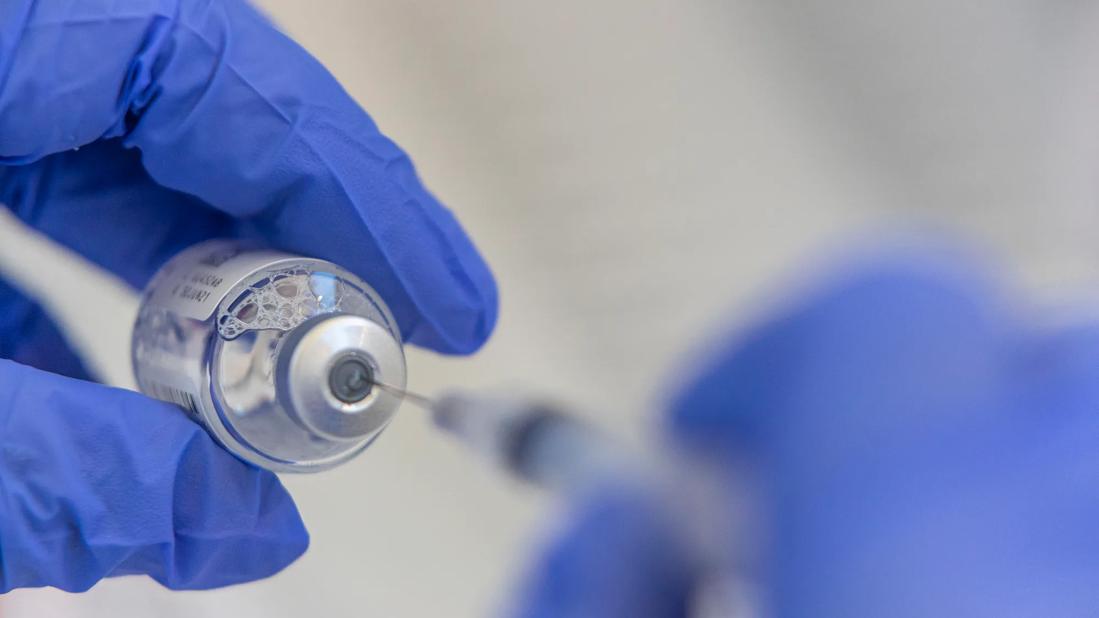
Image content: This image is available to view online.
View image online (https://assets.clevelandclinic.org/transform/ffb48ffa-aef7-40f3-a3fe-17d447484bf4/CCC_1976621_09-18-20_088_MLC)
Vaccine
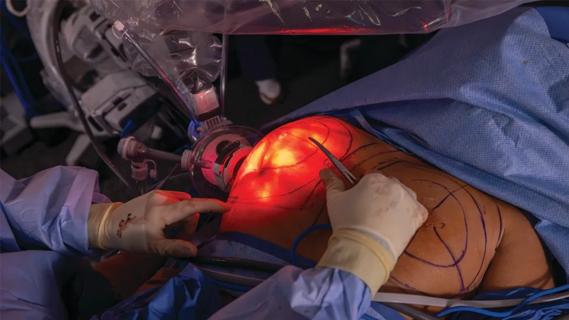
An immunotherapy vaccine recently awarded orphan drug status by the U.S. Food and Drug Administration appears promising for patients with glioblastoma.
Advertisement
Cleveland Clinic is a non-profit academic medical center. Advertising on our site helps support our mission. We do not endorse non-Cleveland Clinic products or services. Policy
Glioblastoma patients live, on average, just 15 months after diagnosis when treated with the standard regimen of surgery, chemotherapy and radiation. “The bottom line is that outcomes from the traditional treatment of glioblastoma still remain dismal, despite improvements in surgeries, medical therapies and radiation,” says Manmeet Ahluwalia, MD, Director, Brain Metastasis Research Program, Cleveland Clinic Cancer Center.
He was one of the principal investigators in a phase 1 clinical trial of the immunotherapy vaccine, known as SurVaxM. SurVaxM targets survivin, a cell-survival protein present in most cancers.
Positive results from the phase 1 trial prompted a phase 2 trial of SurVaxM. Dr. Ahluwalia first presented data from the phase 2 study at the 2018 annual meeting of the American Society of Clinical Oncology (ASCO). [Editor’s note: Dr. Ahluwalia presented updated data from the trial at the 2019 ASCO annual meeting on June 2, 2019; the data reported below have been updated to reflect these latest results.]
“The findings are encouraging,” says Dr. Ahluwalia. “We have seen that when patients are treated with this vaccine, they have improved outcomes compared with traditional treatment in similar patients.”
The single-arm, multicenter phase 2 trial included 63 patients with glioblastoma. After surgical resection, chemotherapy and radiation, patients received four priming doses of SurVaxM (500 mcg) with montanide and sargramostim (100 mcg) every two weeks, followed by adjuvant temozolomide and maintenance SurVaxM every 12 weeks until progression.
Advertisement
Patients ranged in age from 20 to 82 years (median, 60 years); 60% were male. Fifty-three percent had methylated MGMT and 46% had unmethylated MGMT. Median time from diagnosis to first immunization was 3.0 months.
Progression-free survival at six months was 96.7%. Overall survival at 12 months from diagnosis was 93.4%; overall survival at 12 months from first immunization was 86%. Overall survival at 12 months from first immunization was 93.1% for patients with methylated MGMT versus 78% for those with unmethylated MGMT.
“Those numbers are better when we compare them to historical controls,” Dr. Ahluwalia says. “Overall survival for patients receiving traditional treatment is around 60% to 65% at one year.”
Median time from diagnosis to tumor progression was 13.9 months.
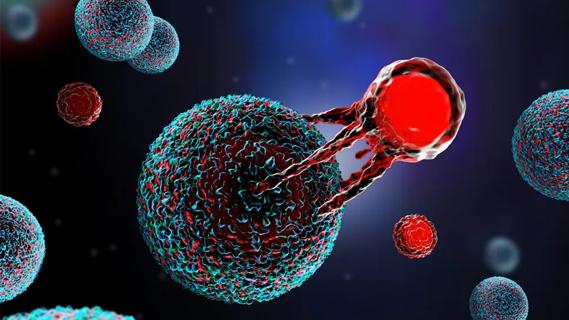
SurVaxM stimulates the immune system to kill tumor cells that contain survivin, a protein that helps cancer cells resist conventional treatments. Dr. Ahluwalia says the regimen was generally well tolerated, and immunization-related adverse events were mild with no serious adverse events attributable to the vaccine. The drug was highly immunogenic and produced survivin-specific antibody (IgG) titers and CD8+ T-cells detectable by survivin dextramers.
The next step will be a randomized trial of the vaccine in patients with newly diagnosed glioblastoma. “We are excited and encouraged by the results of this phase 2 trial,” says Dr. Ahluwalia, “and we are eager to see if this vaccine shows similar results in a randomized trial.”
Advertisement
Also planned is a study of the vaccine with an immune checkpoint inhibitor in patients with recurrent glioblastoma.
Advertisement
Advertisement
Cleveland Clinic study provides validation for the test, which combines AI and pathological data to predict outcomes in postoperative patients
Advanced imaging technology catches metastases much earlier, allowing treatment with fewer side effects

Reduced radiation for lymph node areas reduces side effects
Large Cleveland Clinic analysis may help resolve a longstanding question over optimal fractionation
This single-port option offers advantages for appropriate patients

Practice changes needed to expand access across academic and community settings
Treatment yields positive results despite late diagnosis and cardiac involvement

Early detection program integrates multiple disciplines to reduce screening barriers and patient anxiety
 Search