Locations:





Varied platforms maximize opportunities for interactive, problem-based learning

Image content: This image is available to view online.
View image online (https://assets.clevelandclinic.org/transform/be1174c0-e717-4cd6-b48d-633bcf7e6224/20-RHE-1882277-2-RheumatologyEducation_Brown_650x450_jpg)
20-RHE-1882277-2-RheumatologyEducation_Brown_650x450
By Abby Abelson, MD, and Adam J. Brown, MD
Advertisement
Cleveland Clinic is a non-profit academic medical center. Advertising on our site helps support our mission. We do not endorse non-Cleveland Clinic products or services. Policy
In the last decade, innovations in technology have changed nearly everything about the way we communicate, read and learn. Medical education has not been exempt in this time of dramatic change. Perhaps one of the most poignant examples of innovation in medical education is the state-of-the-future, interdisciplinary Health Education Campus (HEC) on Cleveland Clinic’s main campus.
The HEC, which opened to students in the summer of 2019, reflects the collaborative efforts of Case Western Reserve University and Cleveland Clinic to prepare students to lead in a new era of healthcare delivery. Home to Case Western Reserve University’s dental, medical and nursing schools — including the Cleveland Clinic Lerner College of Medicine (CCLCM) — the campus is designed to encourage interprofessional education and facilitate innovative thinking about some of the most complex issues in healthcare. Working with the latest technology, including digital anatomy lessons and medical simulation, students develop the skills they need to thrive in their respective fields.
Faculty from Cleveland Clinic’s Department of Rheumatology are quite involved in the training of first and second-year CCLCM students who benefit from this new learning environment. CCLCM has been incredibly supportive of innovation, which allows us to maximize the opportunity for interactive, problem-based medical education. In the first year, Chad Deal, MD, teaches about bone turnover and issues related to metabolic bone diseases. In the second year, we provide a variety of interactive seminars. For example, Leonard Calabrese, DO, and Emily Littlejohn, DO, MPH, present lupus, Abby Abelson, MD, conducts a targeted therapy seminar and Carol Langford, MD, teaches about vasculitis. At the end of each topic, we have students come into our clinics to meet with patients whose conditions they have been studying. The patients share their experience of the condition with the students, including everything from the journey to diagnosis, symptoms, as well as the cost and side effects of medications. This is a powerful experience for our learners and patients alike. Students enjoy the variety and interaction, and our patients view it as an opportunity to teach future physicians what it is like to live with chronic rheumatic diseases.
Advertisement
We are also reaching a wide audience through a podcast from Adam Brown, MD. The podcast — a prerecorded audio medium that allows listeners to consume content at their leisure — is an excellent teaching tool in the field of medicine that allows students and trainees from all levels to hear interesting cases and expert opinions. Medical professionals also listen to podcasts to keep up to date in a rapidly changing field or to hear an interesting case presentation. Medical students find podcasts appealing as the learning can be done at their convenience, with episodes replayed at leisure that can be listened to while enjoying other activities like exercise. 1
Dr. Brown discusses the rare conditions that we see at Cleveland Clinic routinely, and interview other rheumatologists in the department to get a variety of perspectives. For example, in one interview Dr. Deal walks the listener through the pathophysiology of hypophosphatasia and highlights when physicians should suspect the condition. Dr. Brown also interviews specialists from other departments, such as nephrology, pulmonology and neurology. The idea is to educate listeners on conditions about which they may be less familiar, but also to highlight the expertise we have here at Cleveland Clinic. The podcast has a global listenership that is growing daily.
Dr. Brown has also recently published a book entitled, Rheumatology Made Ridiculously Simple. The engaging text and illustrations aim to make rheumatology more approachable to medical students and residents.
Advertisement
In addition to our Rheumatology fellowship, our involvement with CCLCM and Dr. Brown’s outreach complement our other professional activities, illustrating our commitment to Cleveland Clinic’s tripartite mission: to provide better care for the sick, investigation into their problems and further educate those who serve. As we engage people in the interesting complexity of diagnosis and management of rheumatology patients, we hope these educational interactions intrigue medical students, residents and APPs to develop an interest in choosing rheumatology as their professional focus.
Advertisement
Advertisement
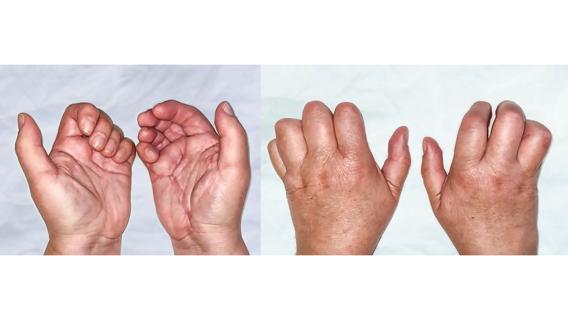
Patient had tenolysis and fasciectomy but sympoms recurred
Best practices in a changing landscape
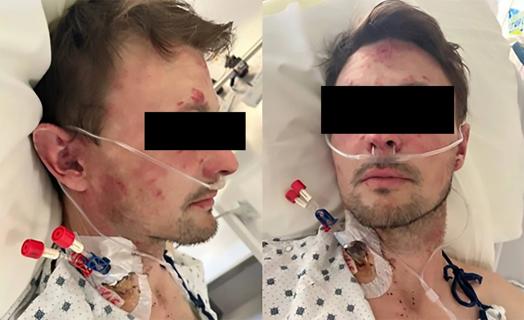
Case: Presentation includes joint pain and neurological symptoms
Evidence suggests empathy influences immune function and well-being
Going beyond simple referrals to streamline patient access
Tracing our understanding of this complex systemover more than a century
Drug-free remission holds more than a year after treatment
Cleveland Clinic group works toward earlier diagnosis of this rare disease
 Search