Locations:





Highest response rates seen with stress-lowering techniques like yoga, meditation and mindfulness

Image content: This image is available to view online.
View image online (https://assets.clevelandclinic.org/transform/dff979dc-1c52-43c6-9ab4-dfe66be56514/young-black-man-meditating-2218200234)
young man meditating on a sofa
Supplementing epilepsy medical therapy with lifestyle modifications may help reduce seizure frequency and improve quality of life (QOL), according to a recent systematic review and meta-analysis.
Advertisement
Cleveland Clinic is a non-profit academic medical center. Advertising on our site helps support our mission. We do not endorse non-Cleveland Clinic products or services. Policy
The research, conducted by a Cleveland Clinic-led team of neurologists and researchers, represents the first comprehensive, systematic review and meta-analysis to evaluate lifestyle-modifying interventions across a broad range of modalities in patients with epilepsy. It was recently published online in Epilepsia.
“We found encouraging evidence that lifestyle modifications may have a role as adjunctive therapy for people with epilepsy,” says the study’s first and corresponding author, Elizabeth Spurgeon, MD, a neurologist with Cleveland Clinic’s Epilepsy Center. “Yoga, meditation and mindfulness showed particularly promising results, but more high-quality research is needed to better understand the impact of these interventions.”
Even with the availability of more than two dozen anti-seizure medications, about one-third of patients with epilepsy continue to struggle with seizure control. For some patients with drug-resistant epilepsy, epilepsy surgery or other advanced treatment options may be considered. Throughout the course of epilepsy treatment, many patients ask whether there are changes they can make in their daily lives that may help improve seizure control and overall well-being.
Lifestyle interventions may offer an additional way for patients to support their epilepsy care. These interventions encompass a broad range of approaches aimed at reducing stress, promoting overall well-being, improving coping strategies and supporting healthy behaviors. Stress is one of the most commonly reported seizure triggers, making stress-reducing approaches of particular interest in epilepsy.
Advertisement
To better understand the evidence supporting these approaches, the researchers performed a comprehensive literature review of lifestyle interventions in epilepsy. Studies reporting the proportion of participants who achieved at least a 50% reduction in seizure frequency, or providing sufficient data to calculate this outcome, were included in the meta-analysis.
All studies in the investigation were prospective and conducted on adults or mixed adult and pediatric populations. The 118 studies included 61 with a comparison group, 52 of which used randomization.
Studies included the following interventions evaluated alongside standard medical treatment: diet (n = 33 studies), supplements (n = 20), biofeedback (n = 14), psychosocial/behavioral therapy (n = 13), yoga/meditation/mindfulness (n = 8), music therapy (n = 7) and exercise (n = 7). Smaller numbers of investigations assessed acupuncture/reflexology, patient education, progressive muscle relaxation, Chinese medicine and others.
The meta-analysis consisted of the 71 studies that reported the proportion of participants achieving at least a 50% reduction in seizure frequency or provided sufficient data to calculate this outcome. Study duration varied among investigations, so short-term response was defined as the earliest post-intervention time point, with long-term response defined as the final reported time point.
Key findings from the meta-analysis were as follows:
Advertisement
QOL was evaluated in 31 of the 118 studies, employing a variety of assessment instruments. Overall, 68% of these studies reported significant improvement. QOL was most often assessed in studies of psychosocial/behavioral therapies (n = 7), all of which reported significant improvement.
The investigators note that the available evidence is limited by relatively small numbers of studies for individual interventions, variability in study design and quality, and a lack of standardization across interventions, outcome measures and follow-up periods.
“There is still a great deal we need to learn about the role of lifestyle interventions in epilepsy,” Dr. Spurgeon says. “But seeing pooled response rates of 44% in the short term and 50% in the long term suggests there is an important signal here that deserves further study. This is a growing area of research, and larger, well-designed studies are needed to better understand which interventions may be beneficial, for whom, and how they can best complement standard epilepsy treatment.”
Building on the growing interest in lifestyle and behavioral interventions for epilepsy, Cleveland Clinic investigators have conducted two prospective randomized controlled studies evaluating these approaches. The LIFE and LIFE-CE studies were made possible through generous support from the Charles L. Shor Foundation.
Advertisement
“I do discuss stress reduction and other lifestyle approaches with patients as an additional consideration alongside their standard epilepsy treatment,” says Dr. Spurgeon. “But lifestyle interventions are different from medications. They involve habit formation, individual preferences and abilities, and finding something that can realistically be incorporated into a person’s daily life. What works well for one person may not be the right fit for another.
“For patients who are interested,” she continues, “I encourage them to find an approach that works for them and that they can sustain over time. Our findings provide encouraging evidence that lifestyle interventions may have a role as part of a broader approach to epilepsy care, but there is still much more we need to learn.”
For patients interested in exploring these approaches, Dr. Spurgeon points to a publicly available video library developed by the LIFE study research team at Cleveland Clinic. Available through the Cleveland Clinic Epilepsy Center website, the resources include guided content on meditation, yoga, music therapy and cognitive behavioral therapy that individuals can incorporate into their daily lives.
Advertisement
Advertisement
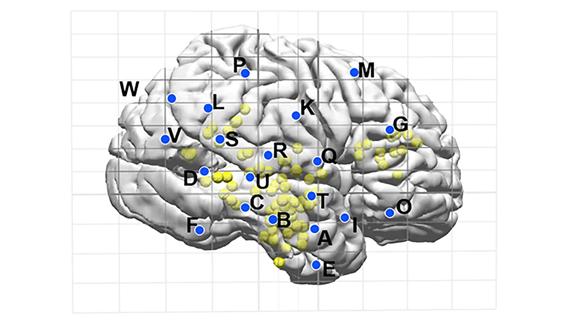
Data-driven segmentation approach shows promise for seizure characterization with utility for clinical decision making
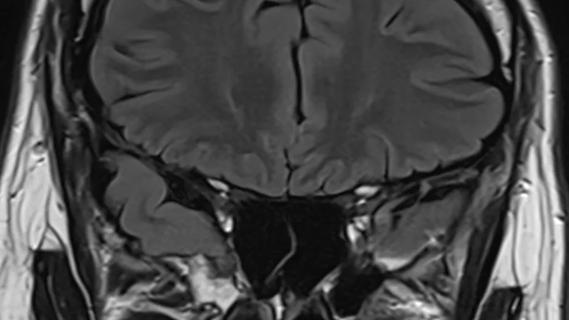
Early identification of temporal encephaloceles can improve surgical decision-making
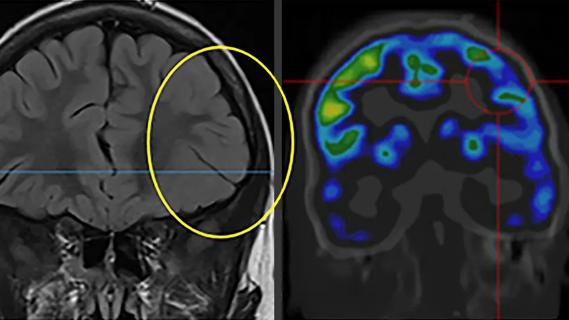
Insights from one of the first studies of invasive monitoring in the rare form of focal cortical dysplasia

Novel Cleveland Clinic project is fueled by a $1 million NIH grant
Patients with epilepsy should be screened for sleep issues

Sustained remission of seizures and neurocognitive dysfunction subsequently maintained with cannabidiol monotherapy
Model relies on analysis of peri-ictal scalp EEG data, promising wide applicability
Investigational gene approaches offer hope for a therapeutically challenging condition
 Search