Locations:





 Search
Tumor-infiltrating lymphocytes and natural killer cells
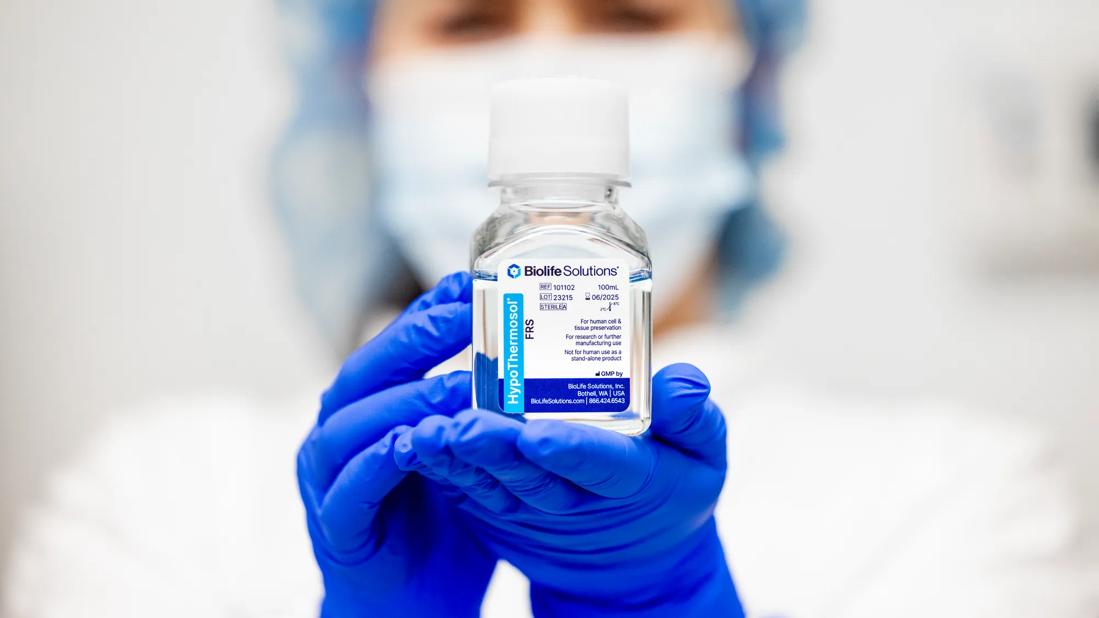
Clinical trials exploring the use of immunotherapy with adoptive cell transfer for advanced melanoma and Merkel cell carcinoma (MCC) are in development at Cleveland Clinic Cancer Center. Built upon foundational work at the National Cancer Institute (NCI), the studies explore the use of autologous tumor-infiltrating lymphocytes (TILs) and natural killer (NK) cells to produce durable, complete responses for patients with refractory disease.
Advertisement
Cleveland Clinic is a non-profit academic medical center. Advertising on our site helps support our mission. We do not endorse non-Cleveland Clinic products or services. Policy
Incidence of melanoma is rising, and while the five-year survival rate is over 98% for localized disease, it is only 25% for patients with metastasis. No approved agents exist for treatment of metastatic melanoma that has progressed after exposure to immune checkpoint inhibitors and BRAF/MEK inhibitors. Even fewer treatments are available for MCC, a rarer form of skin cancer also on the upswing.
Cleveland Clinic Cancer Center hopes these new clinical trials can change the grim prognosis for patients with metastatic, refractory disease.
“Our main focus in melanoma is on recapitulating what has been done by NCI, and we are working with commercial companies to scale up TIL therapies,” says Brian Gastman, MD, Medical and Surgical Director of Cleveland Clinic Cancer Center’s Melanoma and High-Risk Skin Cancer Program. “We want to make these treatments available to our patients as soon as possible, if not as a potential cure, then as a bridge to other therapies that may be developed in the future.” For MCC, the researchers are testing the expansion of natural killer (NK) cells.
Generation of cryopreserved TILs and treatment of patients, as performed in the NCI-supported trials, is a 22-day process. First, a patient’s melanoma is resected, and a portion of the lesion is sent to a central facility for expansion. The patient then undergoes nonmyeloablative lymphodepletion with cyclophosphamide and fludarabine. A day after receiving that preparative regimen, the patient receives an infusion with the expanded and activated TIL product.
Advertisement
In a recent phase 2 trial (NCT02360579; C-14401), treatment with the TIL therapy known as lifileucel produced an overall response rate (ORR) of 36.4% and a disease control rate of 80.3% in patients with metastatic melanoma. The participants had a high baseline disease burden and disease that had progressed on multiple prior therapies, including anti-PD-1 and BRAF/MEK inhibitors.
The results from cohort 2 of C-144-01, which enrolled 66 patients, showed that the frequency of adverse events decreased over time, supporting one-time treatment. At the time of the report, median study follow-up was 18.7 months, and median duration of response had not been reached.
“This therapy is not standard of care yet and is offered to patients in clinical trials as fifth- or sixth-line treatment,” says Dr. Gastman. “Our hope would be to use TILs earlier to get more benefit, but even for late-stage melanoma, it represents a new option that we may soon be able to give to patients.”
While two trials of TILs for melanoma supported by Cleveland Clinic are still on the drawing board, one with NK cells in MCC is already recruiting. The phase 2, single-arm study (NCT03853317) will evaluate the immunotherapy in combination with the PD-L1 monoclonal antibody avelumab and the IL-15 agonist N-803.
To be eligible, participants must have MCC that has progressed on or after checkpoint inhibitor therapy as assessed by ORR. They will receive treatment for a maximum of two years, with avelumab and high-affinity NK cells given every two weeks and N-803 given every three weeks.
Advertisement
“The cell therapy product we’re studying for MCC combines modern immunotherapies with reinvigorating therapies,” says Dr. Gastman. “The NK cell line has been engineered to produce endogenous, intracellularly retained IL-2 and to express CD16.”
Unlike TILs, which target antigens in a tumor and are autologous, the NK cells target proteins and are allogeneic products. Both protocols, however, are complex, requiring specialized expertise and careful coordination of patient care at multiple steps.
“Administration of these immunotherapies is complicated,” says Dr. Gastman, “and particularly when lymphodepletion is needed, because of the potential for major side effects, we work closely not only with medical oncologists but also with Cleveland Clinic’s bone marrow transplantation team, which has tremendous experience.”
Advertisement
Advertisement

Combining advanced imaging with targeted therapy in prostate cancer and neuroendocrine tumors

Early results show strong clinical benefit rates
The shifting role of cell therapy and steroids in the relapsed/refractory setting

Radiation therapy helped shrink hand nodules and improve functionality

Standard of care is linked to better outcomes, but disease recurrence and other risk factors often drive alternative approaches

Phase 1 study demonstrates immune response in three quarters of patients with triple-negative breast cancer

Multidisciplinary teams bring pathological and clinical expertise

Genetic variants exist irrespective of family history or other contributing factors