Locations:





Emerging multidisciplinary program seeks better care, outcomes
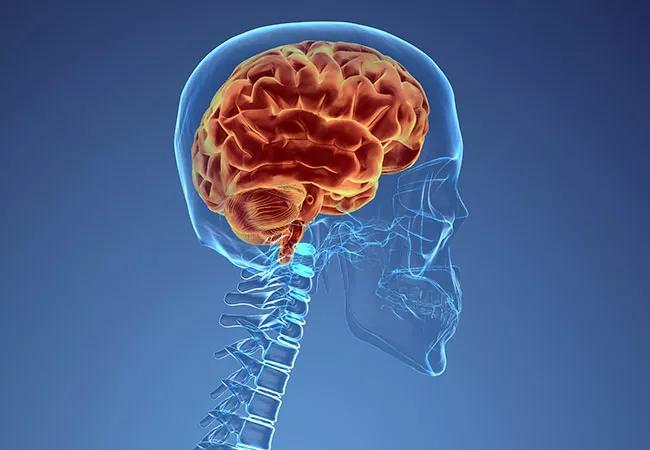
Image content: This image is available to view online.
View image online (https://assets.clevelandclinic.org/transform/f5e41b7a-bf7c-4e00-872e-34fbde31d19a/650x450-Central-Nervous-System-Lymphoma_jpg)
650×450-Central-Nervous-System-Lymphoma
Central nervous system (CNS) lymphoma is a rare form of lymphoma that is difficult to treat, because so many chemotherapy drugs have poor penetration of the blood-brain barrier. Now an emerging multidisciplinary transplant program at Cleveland Clinic Cancer Center is working to standardize care for this specialized group of patients and to collaborate on new research to better understand the disease.
Advertisement
Cleveland Clinic is a non-profit academic medical center. Advertising on our site helps support our mission. We do not endorse non-Cleveland Clinic products or services. Policy
Patients with CNS lymphoma are typically treated with CNS-penetrating chemotherapy followed by consolidative high-dose chemotherapy (conditioning or preparative chemotherapy) and then autologous stem cell infusion. Only a few conventional, cytotoxic chemotherapy drugs are effective in crossing the blood-brain barrier, and research on which drugs are most effective is lacking.
“There’s no one conditioning regimen that’s established as the standard, because there are no large, randomized trials comparing them,” says Cleveland Clinic oncologist Allison Winter, MD, who is establishing a CNS lymphoma program. Most of the published research is heterogeneous in terms of therapies and patients included and is often limited to phase 2 single-arm and retrospective studies, she notes.
In addition to being difficult to treat from a pharmacokinetic/pharmacodynamic perspective, patients and physicians face additional treatment-altering complications including seizures, mobility and cognition problems..
Dr. Winter says she had the idea for a specialized CNS lymphoma program after encountering a case during her hematology/oncology fellowship at Cleveland Clinic, where the neuro-oncology department has historically cared for primary CNS lymphoma patients. “I started wondering if we could collaborate more formally given the emerging data for the use of autologous stem cell transplant for people with primary CNS lymphoma,’” she says.
When she joined the department as staff in 2019, she proposed a collaboration between lymphoma, neuro-oncology and transplant physicians to offer the therapy to patients.
Advertisement
A key goal of the program is to standardize treatment for both primary CNS lymphoma (lymphoma that began in and is limited to the CNS), and secondary CNS lymphoma (systemic lymphoma with CNS involvement or systemic lymphoma relapsed into the CNS). BEAM (BCNU, etoposide, cytarabine and melphalan) is widely used as a standard chemotherapy preparative regimen prior to autologous stem cell infusion for systemic lymphoma, but it has poor penetration of the blood-brain barrier.
For the new CNS lymphoma program, physicians reviewed existing studies and decided on a combination of BCNU (carmustine) and thiotepa for the conditioning chemotherapy. “These are two chemotherapy agents that seem to have a good compromise between safety and efficacy, and they have good penetration into the CNS,” Dr. Winter says.
Patients with relapsed systemic lymphoma are traditionally treated with BuCyE (busulfan, cyclophosphamide and etoposide) or BEAM conditioning regimens as noted above. While the transplant program will continue to follow this protocol for most patients, some who relapse exclusively into the CNS could receive the same conditioning chemotherapy as patients with primary CNS lymphoma. That was the case with one patient, whose secondary CNS lymphoma was limited to the CNS, with no systemic involvement.
“It made sense to use this regimen, because that was the only place she relapsed, and I wanted to give her the best CNS penetrating protocol that I could,” Dr. Winter says.
The transplant program is also piloting a stem cell mobilization protocol for CNS lymphoma patients. Traditionally, growth factors like neupogen or chemotherapy such as etoposide are used to mobilize stem cells in systemic lymphoma, but etoposide is less likely to penetrate the blood-brain barrier. Now these patients are being mobilized with cytarabine, a chemotherapy agent with better blood-brain barrier penetration.
Advertisement
Ultimately, Dr. Winter hopes the program will contribute to the small but growing body of knowledge on CNS lymphoma, leading to more effective treatments for the disease. “My long-term goal is to collaborate with more centers, so that we can do larger trials and get better answers and outcomes for these patients, whether that means incorporating novel agents into the transplant process, or incorporating novel agents as maintenance after transplant,” she says.
Advertisement
Advertisement

Study reinforces the importance of genetic testing prior to local therapy decisions

Understanding expanding treatment options and potential advances
Adding 177Lu-PSMA-617 to ADT plus an ARPI cut the risk of radiographic progression or mortality by 28%

New program will help patients improve fitness and manage weight after cancer treatment

Cleveland Clinic hematologist highlights new guidelines and treatment advances in immune thrombocytopenia
NIMBLE replaces weekly tumor board delays with same-day multidisciplinary recommendations
Cleveland Clinic study provides validation for the test, which combines AI and pathological data to predict outcomes in postoperative patients
Advanced imaging technology catches metastases much earlier, allowing treatment with fewer side effects
 Search