Locations:





Investigating cell-free nucleic acids for cancer detection
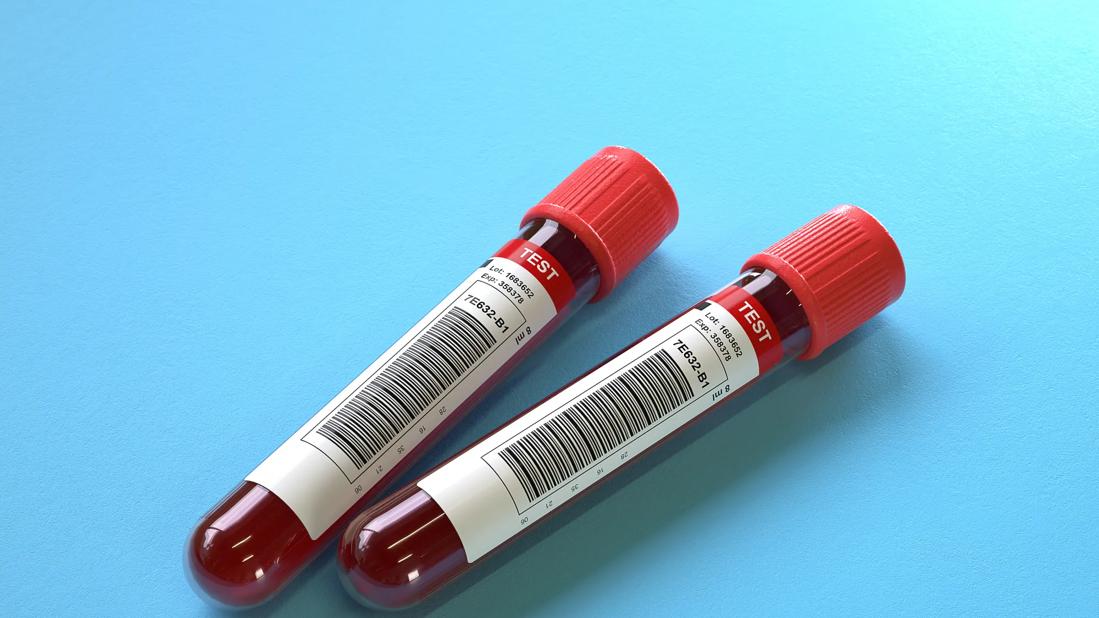
Image content: This image is available to view online.
View image online (https://assets.clevelandclinic.org/transform/ee1be4d5-d044-475f-9399-c9a1f5b78259/blood-vials-GettyImages-1138374860)
bloodtest_650x450
Cleveland Clinic is beginning to enroll women in a groundbreaking study that will support the development and evaluation of a novel blood test for early cancer detection. The STRIVE study is a multicenter observational cohort study that aims to train and validate a blood test to detect different cancers, including breast cancer, at early stages.
Advertisement
Cleveland Clinic is a non-profit academic medical center. Advertising on our site helps support our mission. We do not endorse non-Cleveland Clinic products or services. Policy
“Various types of tumors cells release cell-free nucleic acids (cfNAs) and other genomic material into the blood,” says Stephen Grobmyer, MD, Director of Breast Cancer Surgery at Cleveland Clinic Cancer Center. “The STRIVE study will measure cfNAs and other genomic material in the context of breast imaging to investigate whether a blood test can enhance detection of early breast cancers.”
The study will enroll approximately 120,000 women nationally who undergo routine mammographic screening. Women with a history of breast cancer will also be included in the study.
Women who enroll in the study will be asked to complete a questionnaire about personal and family history and provide a blood sample within 28 days of their screening mammogram. Participants’ health status will be followed for five years from the time of enrollment.
Participation in the STRIVE study is a reflection of Cleveland Clinic’s commitment to supporting research that seeks to improve the diagnosis of early stage cancer.
“This is a historically important and ambitious project that could lead to transformational changes in the way we diagnose breast and other cancers,” says Dr. Grobmyer. “The hope is that these tests will allow us to diagnose cancer before it has a chance to spread. This means treatment could potentially be less invasive and patients could have increased survival rates.”
The STRIVE study is being sponsored by GRAIL Inc., a life sciences company dedicated to detecting cancer early. This is Cleveland Clinic’s second partnership with GRAIL and follows last year‘s implementation of the Circulating Cell-Free Genome Atlas study.
Advertisement
To learn more about the STRIVE study or how to participate, visit www.JoinSTRIVE.com/.
Advertisement
Advertisement

Adding 177Lu-PSMA-617 to ADT plus an ARPI cut the risk of radiographic progression or mortality by 28%

New program will help patients improve fitness and manage weight after cancer treatment

Cleveland Clinic hematologist highlights new guidelines and treatment advances in immune thrombocytopenia
NIMBLE replaces weekly tumor board delays with same-day multidisciplinary recommendations

Cleveland Clinic study provides validation for the test, which combines AI and pathological data to predict outcomes in postoperative patients

Advanced imaging technology catches metastases much earlier, allowing treatment with fewer side effects

Reduced radiation for lymph node areas reduces side effects

Large Cleveland Clinic analysis may help resolve a longstanding question over optimal fractionation
 Search