Locations:





Phase 1 trial outcomes offer encouraging news for developing targeted therapy for solid tumors
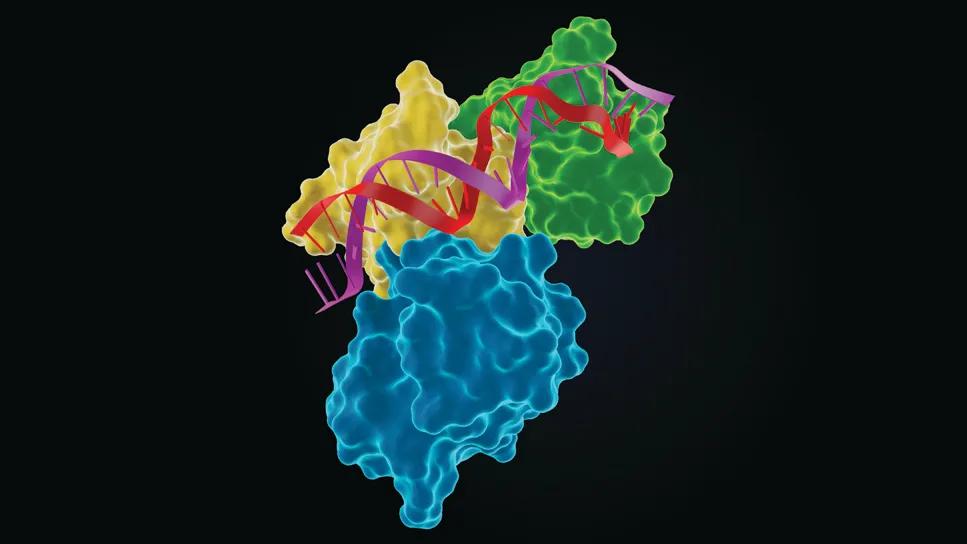
Image content: This image is available to view online.
View image online (https://assets.clevelandclinic.org/transform/186b2499-5337-48ec-94d9-11cd17ab8c9b/p53-mutation-illustration-2257439286)
p53 mutation illustration
Earlier this month, researchers shared that they may have discovered a way to target a key driver of many cancerous masses. The outcomes of this proof of concept study were published in the New England Journal of Medicine.
Advertisement
Cleveland Clinic is a non-profit academic medical center. Advertising on our site helps support our mission. We do not endorse non-Cleveland Clinic products or services. Policy
The p53 protein is mutated in roughly 50% of cancerous growths – including 90% of ovarian cancers – but it has been an undruggable target until now due in part to its genetic diversity.
Targeting the p53 mutation has long confounded researchers seeking a more effective way to treat solid tumors. “We knew p53 existed and impacted cancer but didn’t have a way to do anything about it,” says study co-author Dale Shepard, MD, PhD, a medical oncologist, member of the Novel Therapeutics Program and Director of Global Oncology Partnerships at Cleveland Clinic Cancer Institute.
Recently, a group of researchers found a way around this problem. They discovered that the small molecule drug rezatapopt had the potential to bind to Y220C, which is a targetable section of the p53 protein. The therapy reactivates p53 and restores its functionality.
In a phase 1 study, researchers investigated the use of rezatapopt for 21-day treatment cycles in patients with locally advanced or metastatic solid tumors with the p53 Y220C mutation. The goal was to identify the maximum tolerated dose as well as the recommended dose for a phase 2 trial. Primary endpoints included dose-limiting adverse events while secondary endpoints included efficacy and identification of pharmacokinetic characteristics.
Seventy-seven patients enrolled in the trial and received gradually increasing doses starting at 150 mg and titrating up to 1,500 mg twice a day. Patients had an average of four previous lines of therapy.
Initial study results demonstrated antitumor activity across many types of advanced solid tumors, including breast, ovarian, head and neck, endometrial and pancreatic cancer. Overall, 20% of patients had a partial or complete response, while 30% of those patients with the KRAS wild-type tumor who received a minimum dose of 1,150 mg experienced a partial or complete response.
Advertisement
“The results are early but promising given that these were patients who had been heavily pretreated,” says Dr. Shepard. “This data shows the potential for treating cancers that we were previously unable to do.”
The oral therapy was well tolerated. Of the 77 patients in the study, 38% experienced grade 1 or 2 side effects. The most common side effects were nausea (58%), vomiting (44%), elevated blood creatinine level (39%), fatigue (39%) and anemia (36%). Most GI side effects resolved with symptom treatment and reduced when the medication was taken with food. Two patients stopped treatment due to adverse events.
Based on the phase 1 study outcomes, the trial sponsor has opened a phase 2 study focused on using rezatapopt specifically to treat ovarian cancer. Cleveland Clinic Cancer Institute is participating in the phase 2 trial, which is enrolling patients with ovarian cancer who have the Y220C mutation in P53.
Depending on the results of that study, the medication may be tested across additional types of solid tumors in the future.
Advertisement
Advertisement

Adding 177Lu-PSMA-617 to ADT plus an ARPI cut the risk of radiographic progression or mortality by 28%

New program will help patients improve fitness and manage weight after cancer treatment

Cleveland Clinic hematologist highlights new guidelines and treatment advances in immune thrombocytopenia
NIMBLE replaces weekly tumor board delays with same-day multidisciplinary recommendations

Cleveland Clinic study provides validation for the test, which combines AI and pathological data to predict outcomes in postoperative patients
Advanced imaging technology catches metastases much earlier, allowing treatment with fewer side effects

Reduced radiation for lymph node areas reduces side effects

Large Cleveland Clinic analysis may help resolve a longstanding question over optimal fractionation
 Search