Locations:





Diagnosis and treatment of malnutrition and cachexia are key to improving cardiac outcomes
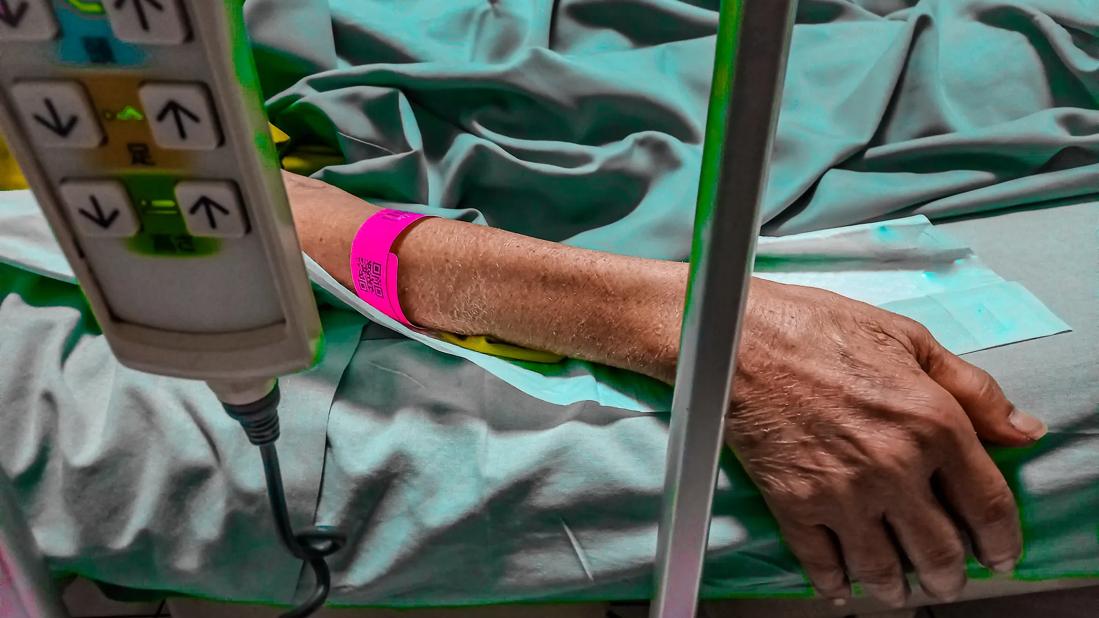
Image content: This image is available to view online.
View image online (https://assets.clevelandclinic.org/transform/5cf9707e-c958-4b90-b8bb-9b461c8c6c08/elder-lady-hospital-1665003576)
thin arm of a woman grasping the side of a hospital bed mattress
The American Heart Association (AHA) has commissioned a first-of-its kind scientific statement on undernutrition in inpatients with acute cardiac conditions (Circulation. 2026;153;e00-e00). The statement addresses the consequences of protein-energy and micronutrient deficiencies and provides clinicians with diagnostic and management pathways for integrating nutritional care into their workflows for clinical cardiovascular disease (CVD).
Advertisement
Cleveland Clinic is a non-profit academic medical center. Advertising on our site helps support our mission. We do not endorse non-Cleveland Clinic products or services. Policy
Some 20% to 60% of patients hospitalized with acute CVD are malnourished, yet this condition remains undiagnosed and untreated in many of them. Emerging evidence suggests that lack of nutritional intervention in this population can result in worse physical function and higher mortality, particularly among older adults with CVD.
“We felt strongly about developing this statement because so many hospitalized cardiovascular patients meet the criteria for malnutrition but it is often unrecognized,” says Amanda Vest, MBBS, Section Head of Heart Failure and Transplant Cardiology at Cleveland Clinic and chair of the writing group for the statement. “Screening in the hospital setting is key, and involving registered dietitian nutritionists [RDNs] is critical to optimize care and improve outcomes.”
Key takeaways highlighted by the AHA writing group, which included cardiologist, intensivist, dietitian, nursing and pharmacy representation, include the following:
Advertisement
For the diagnosis of malnutrition in patients with CVD, the writing group aligns with the Global Leadership Initiative on Malnutrition (GLIM) criteria, which are endorsed by the Academy of Nutrition and Dietetics (AND) and the American Society for Parenteral and Enteral Nutrition (ASPEN).
Malnutrition staging and grading with the GLIM criteria are based on energy intake, percent weight loss and physical examination including skeletal muscle mass and function assessment; imaging also can be used to evaluate lean mass. ASPEN supports nutrition-focused physical examination, with the caveat that in patients with CVD, body mass index and weight can be misleading because of alterations in extracellular fluid compartment volume.
“To address nutritional health appropriately, it can be helpful for clinicians to understand that malnutrition and cachexia are interconnected, but their pathologies differ,” Dr. Vest notes. “In patients with malnutrition, intake of macronutrients is inadequate to meet energy needs, whereas in patients with cachexia, intake may be normal but catabolic metabolism results in inappropriate breakdown of protein energy stores, resulting in increased urine nitrogen excretion.”
Practical measures recommended to enhance micronutrient and macronutrient dietary sufficiency in cardiac inpatients include nutrient-dense, heart-healthy meals and macronutrient supplementation with commercial products such as shakes, puddings or bars.
Scientific evidence supports a target protein intake of 1 to 1.2 g/kg/day for patients with cardiac cachexia, 1.2 to 2.0 g/kg/day for those who are critically ill and 1.5 g/kg/day in patients undergoing sternotomy.
Advertisement
“It’s important to avoid underfeeding patients with acute cardiovascular conditions because macronutrients support energy requirements for physical recovery and micronutrients are necessary for physiological processes, enzymatic functions and immunity,” Dr. Vest explains. “Enteral nutrition is preferred whenever feasible, because it reduces mortality and shortens hospital stays. It has lower rates of infection and hyperglycemia than parenteral nutrition and is also more cost-effective.”
“Busy clinicians charged with taking care of critically ill cardiac patients sometimes pay insufficient attention to ensuring adequate nutritional support,” notes Venu Menon, MD, Director of Cleveland Clinic’s Cardiac Intensive Care Unit, who was not involved in developing the AHA document. “This timely statement emphasizes the importance of addressing this vital, often unaddressed parameter.”
Although preprocedure fasting has previously been routine for patients undergoing elective cardiac catheterization or implantation of electronic devices, the writing group advises against blanket fasting for every procedure, citing results from the randomized SCOFF trial (Safety and Care of No Fasting Prior to Catheterization Laboratory Procedures).
“In SCOFF, no fasting was superior to six hours of fasting for the occurrence of adverse outcomes such as aspiration,” says Dr. Vest. “At Cleveland Clinic, our patients undergoing right heart catheterization or endomyocardial biopsy now proceed directly to the lab without gaps in their food intake.”
Advertisement
For cardiac surgery patients, the writing group also encourages preoperative assessment and optimization of nutrition along with use of an ERAS (enhanced recovery after surgery) pathway. Enteral feeding should be initiated early in the postoperative period, with consideration of parenteral feeding if enteral feeding is not feasible within seven days. At discharge, consideration should be given to offering cardiac patients medically tailored meals, in keeping with the “Food Is Medicine” model, to bridge the gap between inpatient dietary recommendations and practical, daily nutrition at home.
Throughout the treatment continuum for inpatients with acute cardiac conditions, integration of RDNs into the care team is critical, the AHA statement emphasizes. As underscored by the EFFORT study (Effect of Early Nutritional Support on Frailty, Functional Outcomes, and Recovery of Malnourished Medical Inpatients), RDNs play a pivotal role in comprehensive nutritional assessment of patients, identifying and classifying malnutrition and optimizing and individualizing nutritional support.
“The role of the nutritionist isn’t always prioritized, and RDNs with expertise in acute cardiovascular conditions aren’t always readily available,” Dr. Vest observes. “Training and staffing models to enhance the RDN workforce should be supported, and research is needed on their impact on outcomes in the CICU.”
The AHA panel identified additional research priorities and unanswered questions about malnutrition and cachexia in cardiac patients. These include:
Advertisement
“We need to hone our understanding of the impact of dietary protein supplementation on maintenance of muscle mass in patients with cardiac conditions”, Dr. Vest says. “Cleveland Clinic is currently conducting the ASTRID-HF study (NCT05627440), which will determine whether protein supplementation can help preserve muscle mass and function in patients with heart failure. For patients with more severe cardiac cachexia, protein supplementation alone may be insufficient to rebuild muscle, and rigorous research into pharmacological options will be needed to reverse the underlying catabolic muscle wasting.”
Advertisement

They generally depend on the mutated gene, clone size and clinical setting

Practical takeaways for the reality of overlapping cardiovascular, kidney and metabolic disease

Cleveland Clinic specialist discusses the new clinical practice guideline
Why Cleveland Clinic is launching its cardioimmunology center
Cleveland Clinic pioneers a new paradigm in cardiovascular care delivery
Site visits offer firsthand lessons in clinical and operational excellence in cardiovascular care

Findings could help identify patients at risk for poor outcomes
Oral medication reduces epistaxis and improves quality of life for patients with rare vascular disorder
 Search