Locations:





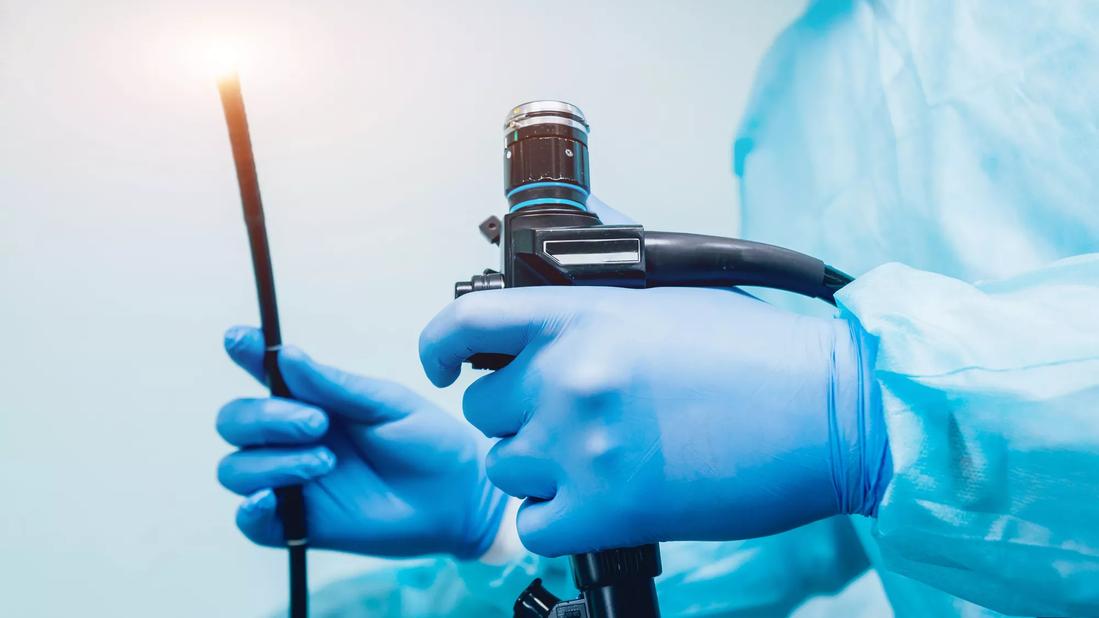
Image content: This image is available to view online.
View image online (https://assets.clevelandclinic.org/transform/62c15020-72ff-4b37-864e-18de3abcb7e8/Colonoscopy-GettyImages-981992634-jpg)
Cleveland-Clinic-Florida-Weston
Endoscopic equipment and techniques are an evolving field. Updates are necessary to keep up with the growth of GI practice. Cleveland Clinic Florida has a strong GI faculty with subspecialty training and interests who, through teaching and research, are at the forefront of gastroenterology and endoscopy.
Advertisement
Cleveland Clinic is a non-profit academic medical center. Advertising on our site helps support our mission. We do not endorse non-Cleveland Clinic products or services. Policy
Nurses, technicians and additional support staff are important members of the team in the GI suite. Education and training opportunities are limited and we are pleased to present a course which covers usual clinical scenarios, followed by hands‐on sessions where nurses and ancillary staff have a chance to handle equipment. We look forward to filling this unmet need for education in the region.
Gastroenterology nurses, technicians and other related healthcare professionals
Cleveland Clinic Florida, Jagelman Conference Center
Weston, Florida
For more information, visit Cleveland Clinic Florida ConsultQD. Subscribe to the Florida Physician Newsletter.
Additionally, follow us on X (formerly Twitter), Facebook, and LinkedIn.
Advertisement
Advertisement
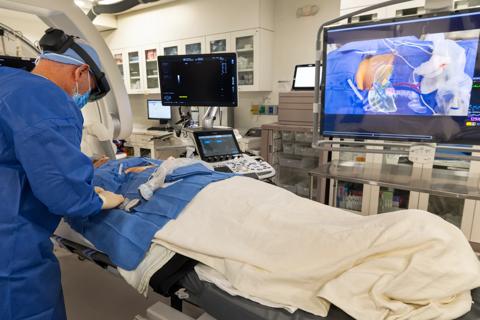
Cleveland Clinic in Florida explores extended reality for multimodality image guidance

The American Society of Clinical Oncology (ASCO) recently released updated guidelines
Cleveland Clinic's transplant team in Florida is using circulatory-death donor hearts to expand transplant opportunities for patients.
Repair of tiny lymphatic vessels offers big relief for patients with lymphedema after cancer surgery
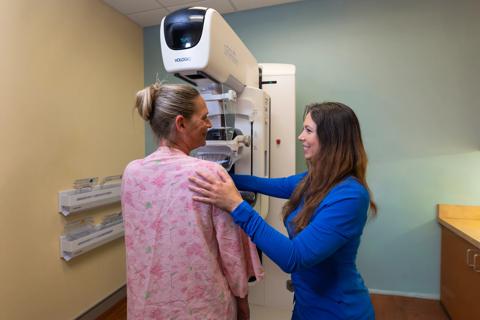
AI-enhanced mammography improves cancer detection and may support more personalized screening strategies
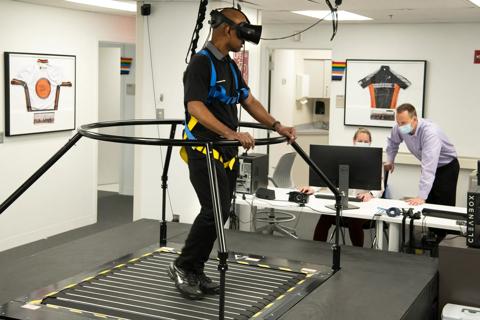
The Center for Neurological Restoration offers a structured, multidisciplinary approach to conditions that often require longitudinal management and escalation beyond first-line therapies
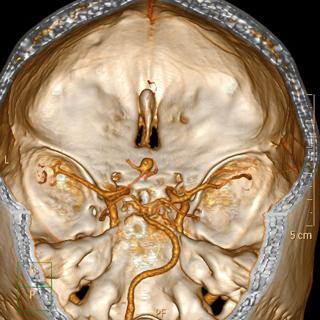
Multidisciplinary expertise provides advanced evaluation, second opinions and personalized treatment planning for patients with challenging cerebrovascular disorders
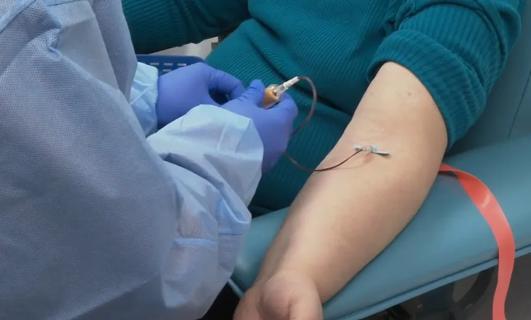
Study highlights strong predictive value of circulating tumor DNA testing
 Search