Locations:


Phase 1 Breakfree-2 trial reports good safety and efficacy at week 26
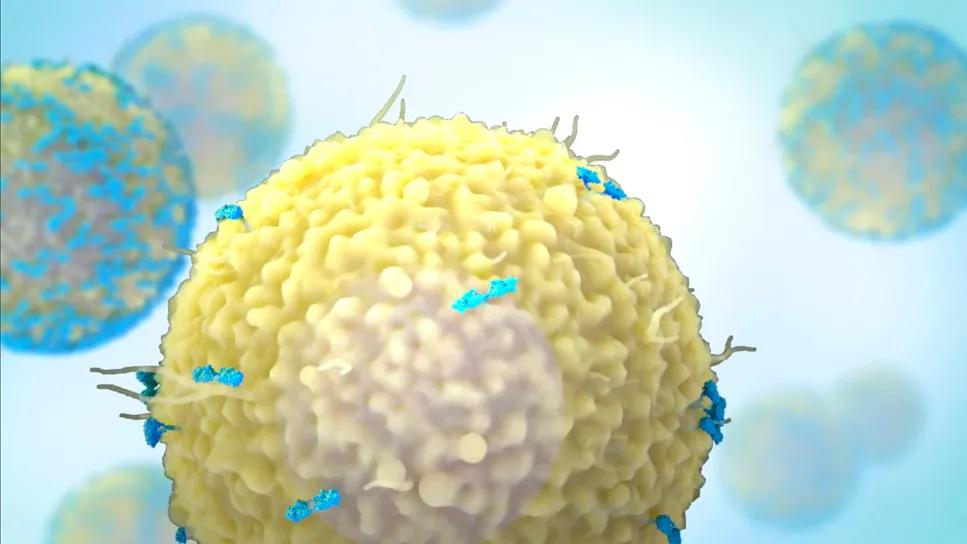
Image content: This image is available to view online.
View image online (https://assets.clevelandclinic.org/transform/c91c9da5-c2b4-4d21-9e74-18a1a4b393d1/car-t-and-bispecific-research-trials)
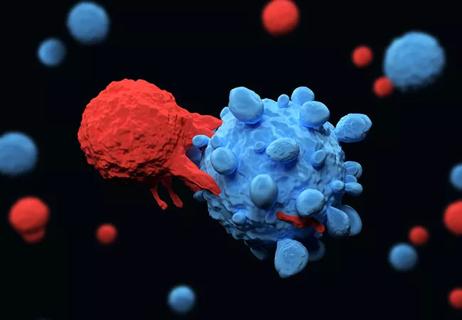
floating CAR T cell against background of other cells
Preliminary results from the Breakfree-2 phase 1 clinical trial (NCT06220201) of patients with highly active relapsing and progressive forms of multiple sclerosis (MS) showed that a single infusion of zola-cel, an autologous CD19-directed chimeric antigen receptor (CAR) T-cell therapy, led to stable and even improved clinical indicators at six months, with mostly good safety and tolerability.
Advertisement
Cleveland Clinic is a non-profit academic medical center. Advertising on our site helps support our mission. We do not endorse non-Cleveland Clinic products or services. Policy
The study findings were reported in a platform presentation at the 10th Joint ACTRIMS-ECTRIMS Meeting in Toronto by Jeffrey Cohen, MD, professor of neurology and staff physician in Cleveland Clinic’s Mellen Center for Multiple Sclerosis.
“We saw almost no evidence of disease activity 26 weeks after zola-cel infusion, despite patients having had active disease at baseline and being off disease-modifying treatments (DMTs) for the study,” reports Dr. Cohen, who is first author of the presented abstract and principal investigator at the multicenter study’s Cleveland Clinic site. “Additionally, adverse events were mostly brief, manageable and reversible, with no clinical sequelae.”
Autologous CAR T cells are manufactured using a patient’s own effector T cells — attack cells — which are combined with a chimeric antigen receptor to specifically target unwanted cells.
The use of CAR T cells has transformed treatment of B-cell blood malignancies and is being investigated for the treatment of solid tumors and autoimmune conditions. Zola-cel therapy for myasthenia gravis is currently being evaluated in a separate cohort in the Breakfree-2 trial (not discussed here).
Zola-cel (also known as CC-97540 or BMS-986353) is designed to target autoreactive CD19 B cells, which are implicated in the pathogenesis of MS and are the target of many DMTs. Unlike large monoclonal antibodies, CAR T cells can enter deep into peripheral tissue and cross the blood-brain barrier, resulting in much more widespread B-cell elimination. The goal is to deplete the B cell population responsible for MS, allowing naïve B cells to be reestablished and reset the immune system.
Advertisement
The phase 1, single-arm Breakfree-2 trial is being conducted at 34 sites in the U.S. and Europe. Two MS cohorts are being evaluated: 30 patients with highly active relapsing MS (haRMS) and 36 patients with progressive MS (PMS), which includes primary progressive and nonrelapsing secondary progressive types. Patients were 21 to 60 years old at baseline and had ongoing activity or worsening disability despite taking DMTs.
For the study, patients first discontinued DMTs. Leukapheresis was conducted to collect T cells, which were genetically altered ex vivo to create CAR T cells, followed by population expansion. In the meantime, patients were given low-dose chemotherapy for lymphodepletion to lessen the chance of rejection. CAR T cells were then administered: the initial three patients in each cohort received 5 × 10⁶ CAR T cells to determine safety and tolerability, and subsequent patients were infused with 10 × 106 CAR T cells.
Adverse events included hematologic abnormalities: lymphopenia (34 cases), neutropenia (30), anemia (9), leukopenia (8) and thrombocytopenia (6). There also were five cases of prolonged cytopenia (> grade 3) and two cases of grade-3 infections (infectious pharyngitis and Burkholderia infection).
Two of the most concerning adverse events associated with CAR T-cell therapies for B-cell cancers are cytokine release syndrome (CRS) and immune effector cell-associated neurotoxicity syndrome (ICANS). In Breakfree-2, CRS occurred in 28 of 66 patients (42%) and ICANS in five of 66 (8%). All but one of the events were grade 1 or 2, resolving in a median of 2.0 days without clinical sequelae. One grade 4 ICANS event occurred; it was treated with a corticosteroid and anakinra, with complete resolution within four days.
Advertisement
“We were relieved that CRS and ICANS were not as significant problems as seen when treating B-cell cancers,” Dr. Cohen says. “We believe that may be because many more B cells are killed in these cancers, likely causing a massive surge of inflammatory cytokines.”
One fatal grade 5 event (septic pneumonia) occurred after the data cut in a patient with haRMS. Extrapyramidal motor symptoms, including rigidity and tremor, began on day 17 following zola-cel infusion. After lack of response to symptomatic therapy, corticosteroids and intravenous immunoglobulin G, and because no other cause was found, the patient was treated with high-dose cyclophosphamide to target the CAR T cells, but subsequently died of septic pneumonia on day 44.
No other fatal events have been reported across all phase 1 zola-cel studies for autoimmune diseases (N = 190).
Key efficacy findings at week 26 among haRMS patients included the following:
Key efficacy findings at week 26 among PMS patients included the following:
Advertisement
All patients remained off DMTs, including nine patients with greater than 12-month follow-up. “Good efficacy is still evident in our longest enrolled patient, who has been followed to two years now,” Dr. Cohen adds.
“Zola-cel infusion worked as we hoped: It led to CAR T-cell expansion in the blood, complete peripheral autoimmune B-cell depletion and repopulation with mostly naïve B cells,” Dr. Cohen reports. “This suggests that a single infusion may reset the immune system, allowing MS progression to stop.”
Among 21 patients with cerebrospinal fluid oligoclonal band (OCB) studies, 17 showed a reduction in OCB number, including 10 with complete resolution.
“The data for OCB reduction was interesting, as we don’t see this effect with DMTs,” Dr. Cohen says. “This provides evidence of zola-cel’s impact on central nervous system inflammation.”
Dr. Cohen emphasizes that these results are preliminary, noting that the study will be continued to two years after zola-cel administration. In the meantime, because of the encouraging experience with CAR T-cell therapy thus far, more research is being conducted or is in the works.
Some investigators are experimenting with allogeneic donor CAR T cells — i.e., off-the-shelf treatment that will not require individualized manufacture for each patient. Others are looking at injecting components of CAR T-cell therapy for in vivo creation in each patient.
“CAR T cells are currently approved only for blood cancers, but this technology can be modified to target almost any antigen,” Dr. Cohen says. “There is a lot of hope that it can revolutionize therapy for many hard-to-treat diseases.”
Advertisement
The study was supported by Bristol Myers Squibb. Dr. Cohen reports having received consultant fees from Bristol Myers Squibb and other biopharmaceutical companies.
Dr. Cohen addresses the rationale and current state of CAR T-cell therapy for MS in a recent Cleveland Clinic Neuro Pathways podcast.
Advertisement
Updates on this fast-evolving therapeutic landscape from a leading trialist

Age alone should not rule out patients from potentially curative treatment

Higher type 2 immunity observed in persistent CAR T cells
Real-world study shows high response rates that are durable with commercial lisocabtagene maraleucel
Minimal residual disease testing shows promising results
Dispelling myths and sharing practical experiences

Combining customized care, research capabilities and flexibility for the future

Nearly one-fifth of such cases fulfill 2024 McDonald criteria based on biomarkers
 Search