Locations:





New center dedicated to studying their role

Image content: This image is available to view online.
View image online (https://assets.clevelandclinic.org/transform/3402d6be-dd81-4092-8627-6e2e9cff5d5d/650x450-Cancer-Stem-Cells_jpg)
650×450-Cancer-Stem-Cells
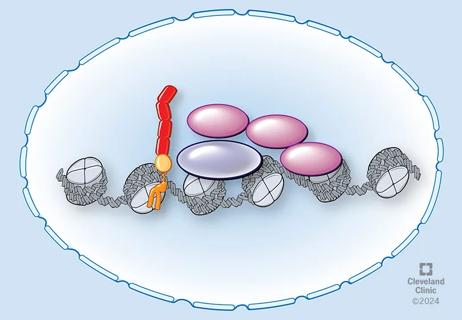
Growing evidence supports that cancer stem cells (CSCs) play a critical role in promoting tumor growth, malignant progression, therapeutic resistance and tumor recurrence in many types of cancer, making them an attractive target for developing new treatments.
Advertisement
Cleveland Clinic is a non-profit academic medical center. Advertising on our site helps support our mission. We do not endorse non-Cleveland Clinic products or services. Policy
That’s why Lerner Research Institute recently announced the formation of its new Center for Cancer Stem Cell Research, with the goal of better understanding CSCs, a subset of cancer cells that are particularly aggressive and resistant to treatment.
The new center will be home to the many Lerner researchers who study the role of CSCs in cancers of the brain, colon, rectum, breast, lung, bone marrow and more. Members will include researchers from both the Lerner Research and Taussig Cancer institutes.
The new center will bolster Lerner’s already strong portfolio of CSC research, help promote collaboration and accelerate the translation of basic research into clinical trials. A finding from the laboratory of Shideng Bao, PhD, the center’s Director, has already been moved to clinical trial, demonstrating the scientific and clinical impact the Center for CSC Research will help to foster.
The Bao lab found that ibrunitib, a drug already approved by the U.S. Food and Drug Administration to treat lymphoma and leukemia, may help treat glioblastoma (GBM) — the most lethal primary brain tumor — by targeting a CSC-related pathway. The research speedily moved from the lab bench to the clinic as it is already in trial, testing Ibrutinib’s effectiveness when combined with radiation or chemotherapy for treating GBM.
Dr. Bao, Staff, Department of Cancer Biology, has been a member of the Lerner Research Institute staff since 2008 and is a member of the Molecular Oncology Program in the Case Comprehensive Cancer Center. He earned his PhD in Cell Biology from Xiamen University in China, performing his PhD thesis research at Dana-Farber Cancer Institute, and completed his postdoctoral training at Baylor College of Medicine and Duke University Medical Center.
Advertisement
Prior to joining Cleveland Clinic, he served as Assistant Research Professor in the Department of Surgery at Duke University Medical Center and Associate Professor in the Departments of Radiation Oncology and Neurosurgery at the University of Colorado at Denver School of Medicine. He has been honored with several awards including the Award for Excellence in Basic Research from the Society for Neuro-Oncology and the LRI Award for Excellence for Outstanding Science. Dr. Bao has authored many research articles published in high-impact journals including Cell, Cancer Cell, Cancer Stem Cell, Journal of Experimental Medicine, Nature Cell Biology, Science Translational Medicine, and more.
Dr. Bao’s research has contributed greatly to the current understanding of CSC biology, especially glioma stem cells and how they contribute to GBM malignant progression and therapeutic resistance. Under his leadership, the new center will help to inspire and catalyze innovative projects that will enhance understanding of how CSCs may be targeted to improve survival in patients.
Advertisement
Advertisement

First full characterization of kidney microbiome unlocks potential to prevent kidney stones
Researchers identify potential path to retaining chemo sensitivity
Large-scale joint study links elevated TMAO blood levels and chronic kidney disease risk over time

Investigators are developing a deep learning model to predict health outcomes in ICUs.

Preclinical work promises large-scale data with minimal bias to inform development of clinical tests

Cleveland Clinic researchers pursue answers on basic science and clinical fronts

Study suggests sex-specific pathways show potential for sex-specific therapeutic approaches

Cleveland Clinic launches Quantum Innovation Catalyzer Program to help start-up companies access advanced research technology
 Search