Locations:





Guiding nurses amid a constantly evolving healthcare landscape
Podcast content: This podcast is available to listen to online.
Listen to podcast online (https://www.buzzsprout.com/2256206/18244312)
In an era of rapid healthcare transformation, the most successful nurse leaders are those who can steer their organizations through uncertainty with clarity and resilience. Whether navigating new technologies or reimagining care delivery, effective change leadership has become essential to sustaining high-quality care.
Advertisement
Cleveland Clinic is a non-profit academic medical center. Advertising on our site helps support our mission. We do not endorse non-Cleveland Clinic products or services. Policy
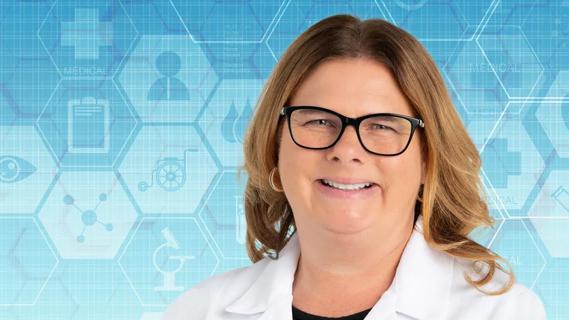
“Change is ongoing, it’s continuous, and we have to be constantly reevaluating, measuring and understanding its impact so that we can ensure we're moving in the right direction,” says Kerry Major, DNP, RN, NE-BC, Regional Chief Nursing Officer, Cleveland Clinic Florida and Chief Nursing Officer, Cleveland Clinic Weston.
In the latest episode of Nurse Essentials, Major discusses leading through change, whether it’s imposed upon the healthcare organization, such as regulatory changes, or a transition implemented with the input of caregivers.
Click the podcast player above to listen to the episode now, or read on for a short, edited excerpt. Check out more Nurse Essentials episodes at my.clevelandclinic.org/podcasts/nurse-essentials or wherever you get your podcasts.
Podcast host Carol Pehotsky, DNP, RN, NEA-BC: Even if a change is good, we know it can bring resistance. What strategies have you used to overcome resistance, skepticism or even inertia?
Major: Clarity is key. Change is very uncomfortable. It's continuous. I think when you weave the “continuous change” mindset into the culture of the organization, change doesn't come as a surprise. The expectation is that we are always learning and growing…always looking to do better and be better. That's part of who we are as an organization – as nurses, caregivers and advocates.
I think it’s important to help people understand the difference they can make…remind them that they do have a voice, that they can be part of the solution. We need to recognize nurses’ participation and success and engage them in the work by [soliciting] their ideas and suggestions. As leaders, we must make sure that our caregivers feel valued, have seat at the table and can contribute in a meaningful way. I think being able to do that helps remove resistance because it fosters a sense of ownership.
Advertisement
Pehotsky: We've spent a lot of time this year at Cleveland Clinic talking about the power of purpose. What's your why?
Major: As a leader, I get so much joy seeing a caregiver take a step in their professional journey that I may have played a small role in, whether it's through mentoring, conversation or providing support resources. That is so fulfilling. It's all about connection. I love connecting people to their purpose, helping them to achieve their goals and vision. Leading can be tough work. It’s not easy. Leading can be lonely, but it's incredible when you know you’ve made a little difference in the lives of other people. That's my why.
Advertisement
Advertisement

Helping patients understand their options while navigating uncertainty
Nurse manager turns a patient safety concern into a data-driven effort to improve protocols and inspire innovation

Nurse draws on frontline experience and an engineering background to develop a new approach to incontinence management

How life experience, storytelling and a passion for service sparked a midlife nursing career
Plastic surgery nurses uniquely help patients meet medical, functional and aesthetic goals

Harnessing digital innovations to enhance nurse confidence and clinical outcomes
Regional organizations collaborate to address nurse faculty shortage

How wellness habits help nurses flourish
 Search