Locations:





New grant will fund work to map human bladder and ureter at a cellular and molecular level
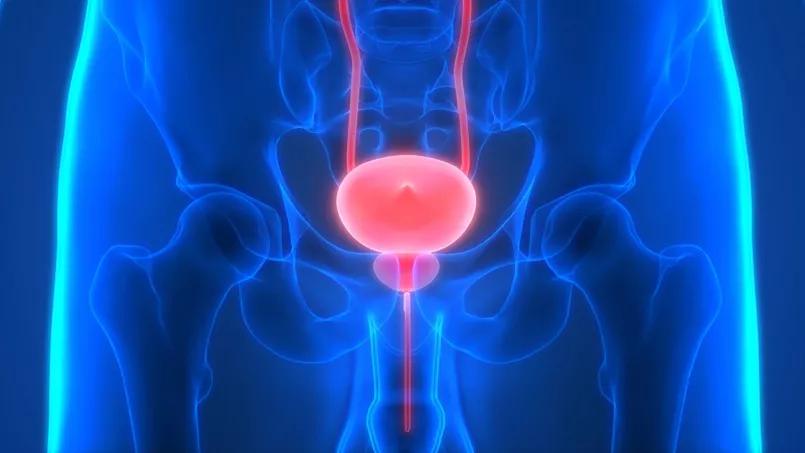
Image content: This image is available to view online.
View image online (https://assets.clevelandclinic.org/transform/44307bda-6f58-4e54-b6a4-9582f7d67339/21-URL-2545109-CQD-Inset_jpg)
Human Urinary System Bladder Anatomy
A multidisciplinary team of researchers from Lerner Research Institute has been awarded a five-year, $2.4 million grant from the National Institute of Diabetes and Digestive and Kidney Diseases (part of the National Institutes of Health) to conduct the first-ever comprehensive analysis of the human bladder and ureter throughout the lifespan.
Advertisement
Cleveland Clinic is a non-profit academic medical center. Advertising on our site helps support our mission. We do not endorse non-Cleveland Clinic products or services. Policy
Non-cancerous urologic diseases (e.g., urinary tract infections, urinary incontinence and painful bladder syndrome) affect individuals of all ages, can lead to significant disability and decreased quality of life and cost more than $5 billion in healthcare expenditures each year in the United States.
“Development of effective novel therapies for these conditions has been hindered by our incomplete understanding of the lower urinary tract tissues at a cellular and molecular level,” says lead principal investigator Byron Lee, MD, PhD, joint staff in the Department of Cardiovascular & Metabolic Sciences and Glickman Urological and Kidney Institute.
“With this grant, we aim to generate a high-resolution transcriptome and gene regulatory dataset for healthy human ureter and bladder tissues in males and females at various ages. This will help us to construct an anatomical map of the organs that allows comprehensive understanding of their cellular and molecular characteristics during various life stages and points us closer to novel therapeutic targets.”
Using tissue samples from donors in three age groups that reflect distinct physiological states of lower urinary tract function, the researchers will collect data from five anatomic locations with unique tissue structures and functions. They then will use these data to analyze the lineage relationships between the different cell types, validate novel markers for each cell type and study underlying gene regulatory networks.
“These molecular data will become a valuable resource to the research community and, ultimately, will support efforts in organ repair and regeneration,” said Dr. Lee.
Advertisement
Angela Ting, PhD, associate staff in the Genomic Medicine Institute, and Oliver Wessely, PhD, associate staff in the Department of Cardiovascular & Metabolic Sciences, are also principal investigators on the grant.
Advertisement
Advertisement
Device may offer a practical middle-ground option for some patients
Study shows a simplified three-factor model performed comparably with the standard five-factor framework
Investigators evaluated ambient air toxins and emission sources

Findings underscore the importance of a multifaceted prevention strategy
Innovative single-port technique results in no visible scarring
The new application that could augment cancer detection, improve efficiency

Pediatric urologists lead quality improvement initiative, author systemwide guideline

Fixed-dose single-pill combinations and future therapies
 Search