Locations:





Podcast content: This podcast is available to listen to online.
Listen to podcast online (https://www.buzzsprout.com/2256206/19248093)
The transition from student to practicing caregiver is one of the most exciting — and challenging — milestones in a nurse’s career. Although the first year can present meaningful opportunities for growth and interpersonal connection, the physical and emotional demands of the job can challenge even the most ambitious novice.
Advertisement
Cleveland Clinic is a non-profit academic medical center. Advertising on our site helps support our mission. We do not endorse non-Cleveland Clinic products or services. Policy
"Those early days are core memories that really shape who you are," says Kathryn Stuck Boyd, MSN, RN, NPD-BC, Nursing Education Manager and Nursing Residency Director at Cleveland Clinic. "Managing competing priorities, interruptions and complex patient needs can be daunting, but preparation and support can make the transition smoother. Although nurses must learn to take ownership of their practice, it's important to recognize that you will not know everything immediately. We must all give ourselves grace to grow."
In the latest episode of Nurse Essentials, Stuck Boyd shares strategies for building mental and emotional stamina, discusses the value of curiosity and provides tips for building confidence while navigating a new clinical career.
Click the podcast player above to listen to the episode now, or read on for a short, edited excerpt. Check out more Nurse Essentials episodes at my.clevelandclinic.org/podcasts/nurse-essentials or wherever you get your podcasts.
Podcast host Carol Pehotsky, DNP, RN, NEA-BC: What aspects of nursing most frequently catch new nurses off guard?
Stuck Boyd: Nursing demands mental and emotional stamina on top of the physical stamina required to work consecutive shifts — I think that can come as a shock. Not only are you walking around for 12 hours straight, but you're also carrying a cognitive load that can be exhausting. You'll experience ups and downs throughout your shift, and you have to learn to handle interruptions while performing multiple tasks at once. [New nurses] sometimes find these challenges to be eye-openers, but they're manageable. That's one of the beautiful things about nursing: There is a plethora of evidence that drives our practice.
Advertisement
Before you even start, we can tell you you're going to be exhausted...it's coming, but it's not a bad thing. It means you care. Now is the time to start developing strong sleep strategies. Now is the time to prepare yourself for the exhaustion. It's universal. I absolutely love reading Florence Nightingale's work. Even she talks about being emotionally and physically exhausted. This is nursing.
Pehotsky: What separates new nurses who thrive from those who struggle early on?
Stuck Boyd: Everybody's a little different, but the nurses who really thrive are curious and coachable. They ask questions and adapt to the answers they receive. Nursing isn't about intelligence. It isn't about grades. It's more about embracing opportunities to learn and acknowledging what you don't know.
Advertisement
Advertisement

Using meticulous preparation and teamwork to manage critically ill patients in constantly changing environments

Translating clinical questions into meaningful, sustainable change
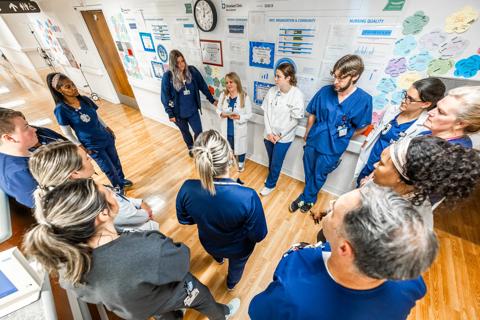
Guidance for creating a relevant framework that reflects organizational values, supports professional practice

Helping patients recognize respiratory changes, navigate treatment barriers and stay connected to their clinical team
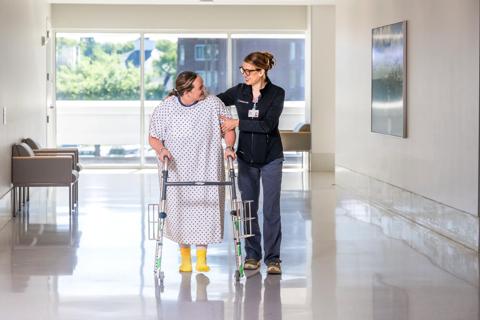
Initiative provides hands-on opportunities to promote early, progressive activity

Continuing to grow by following the right path at the right time

Teaching caregivers to recognize warning signs, de-escalate difficult situations and maintain professional boundaries

Veteran caregivers offer practical wisdom for building confidence and practicing with purpose
 Search