Locations:





Nurse-led program helps patients navigate childbirth, pregnancy loss and the postpartum period

Image content: This image is available to view online.
View image online (https://assets.clevelandclinic.org/transform/8f8eb657-ddb0-4789-807e-02c455f43616/young-woman-serious-talk-doctor-1488894510)
Young woman with nurse
For women who’ve faced sexual assault or abuse, childbirth can trigger strong emotions associated with previous traumatic events. Although one-quarter of patients who give birth report enduring significant personal trauma at some point in their lives, survivors often receive little additional support during the birthing process.
Advertisement
Cleveland Clinic is a non-profit academic medical center. Advertising on our site helps support our mission. We do not endorse non-Cleveland Clinic products or services. Policy
To help address this gap, Cleveland Clinic has developed M-Power, a novel program tailored to the needs of perinatal patients who have a history of trauma. Launched in 2022, the program’s initial goal was to serve survivors of sexual violence and birth trauma. Since then, the scope of the initiative has widened to include survivors of any trauma that may affect their perinatal experience.
"No one can define what constitutes trauma for another person,” explains Patricia Gilbert, BSN, RN, M-Power cofounder and clinical program manager. "Our patients get an opportunity to discuss the factors that may impact their birth experience. These conversations make the clinical team aware of the stressors that might create challenges during birth. It really is an exercise in grace and compassion."
Gilbert notes that some trauma survivors report significant anxiety and a strong desire for agency and predictability. These traits can be heightened during pregnancy.
“The sudden focus on intimate areas of a pregnant patient’s body can elicit a powerful gut response,” she says. “In particular, the physiological changes and repeat, potentially invasive physical examinations that accompany pregnancy can cause intense stress in patients who have endured previous abuse or injury.”
M-Power is designed to identify survivors before they give birth, address their concerns, and help them develop an individualized, holistic plan of care grounded in safety, trust and autonomy.
“Trauma can profoundly affect a person’s ability to trust, yet standardized screening for previous trauma and birth-related trauma is a critical gap," explains Dusty Burke, MSN, RN, C-EFM, cofounder of M-Power and Senior Director of Nursing Administration at Cleveland Clinic. "We created a specialized screening protocol that prioritizes patient well-being while respecting autonomy.”
Advertisement
Once referred, patients are connected with a specially trained M-Power nurse at the hospital where they plan to give birth. Participants then meet with their nurse to discuss any concerns and build strategies for a more supportive, less-triggering birth experience.
“Details like what the patient plans to wear during labor and who will be in the room can shape the entire birth experience, so it’s essential that our staff understand each individual's preferences,” Gilbert says.
Burke emphasizes that the success of the program, which grew 49% in 2024 and 35% in 2025, is largely dependent on caregiver education. Perinatal clinicians receive intensive training in trauma-informed care and are educated on the importance of patient autonomy and safety.
Initially designed to support survivors in the perinatal phase, the program has recently expanded to address pregnancy loss and postpartum experiences. Gilbert explains that more than 80% of M-Power patients report anxiety symptoms or have a documented perinatal mood disorder. In the United States, 1 in 5 women are affected by mental health conditions — a leading cause of maternal death. To further address these concerns, a therapist was recently added to the M-Power team to provide short-term counseling to patients with a history of birth trauma or loss.
"We recognized an ongoing need and knew it was time to expand into the postpartum space,” Gilbert says. “During their postpartum appointments, patients are often asked things like: ‘How's your bleeding? How's your feeding? How's your pain?’ Those are important questions, of course, but they don’t get to the heart of the emotional experience. M-Power holds space specifically for our patients' emotional and mental well-being. We offer patients time to talk and process their experiences and help them organize any follow-up questions they may have for the provider."
Advertisement
Burke reports an overwhelmingly positive patient response to the program. An estimated 99% of participants say they would recommend the program to others and indicate that it has better prepared them for labor and delivery. In addition, 91% of participants report a positive birth experience, and 94% of patients report decreased anxiety following their M-Power consultation.
Such endorsements are fueling the program's continued growth.
"We want to prevent unnecessary suffering,” Burke says. “Understanding where we can make the greatest impact enables us to normalize our conversations and develop a model of care that empowers patients on a much larger scale. Our vision is for Cleveland Clinic to be a global leader in the provision of compassionate yet standardized, trauma-informed, perinatal care and caregiver education. Our nursing team is leading the charge in this space, and I'm incredibly proud of that. We're paving the way for something new.”
Advertisement
Advertisement

Translating clinical questions into meaningful, sustainable change
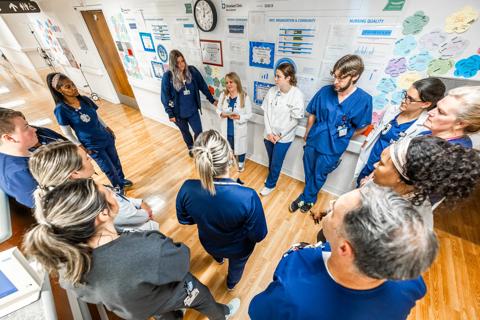
Guidance for creating a relevant framework that reflects organizational values, supports professional practice

Helping patients recognize respiratory changes, navigate treatment barriers and stay connected to their clinical team
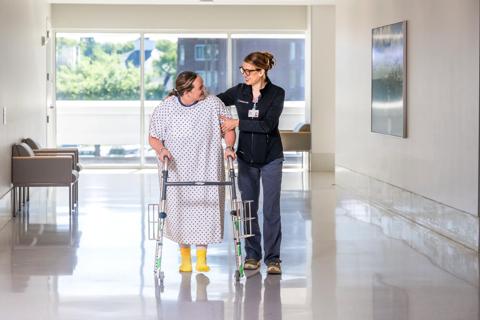
Initiative provides hands-on opportunities to promote early, progressive activity
Continuing to grow by following the right path at the right time

Teaching caregivers to recognize warning signs, de-escalate difficult situations and maintain professional boundaries

Veteran caregivers offer practical wisdom for building confidence and practicing with purpose
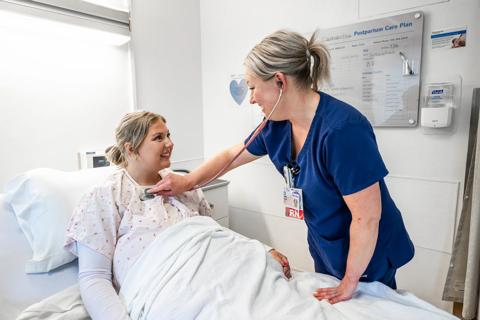
Skill, dedication and a passion for women and children inspire this joy-filled specialty
 Search