Locations:





Drug-free remission holds more than a year after treatment

Image content: This image is available to view online.
View image online (https://assets.clevelandclinic.org/transform/37c66a1b-ebd7-4b37-ae30-9f7aecdb39e5/RHE_8328258_04-23_26_1226_AMO)
Dr. Littllejohn examining trial patient
By Emily Littlejohn, DO, MPH
By the time she was 35 years old, our female patient “AW” had spent more than half her life experiencing symptoms from systemic lupus erythematosus (SLE) with significant disruptions to daily living. Although she never achieved sustained relief, her SLE was relatively mild in the first decade after diagnosis.
Advertisement
Cleveland Clinic is a non-profit academic medical center. Advertising on our site helps support our mission. We do not endorse non-Cleveland Clinic products or services. Policy
Over time, her disease stopped responding to a number of therapies, including hydroxychloroquine, belimumab, mycophenolate mofetil, azathioprine, rituximab infusions and voclosporin. The development of more severe disease, along with the ineffectiveness of standard medical therapies, made AW an appropriate candidate for an international phase 2 clinical trial of chimeric antigen receptor (CAR) T-cell treatment for severe, refractory systemic lupus.
In May 2025, she became the fourth Cleveland Clinic patient in the trial and underwent CD19 CAR T-cell therapy. She has been in drug-free remission for more than a year.
AW was in high school when she developed SLE symptoms: sudden, unexplained lethargy, arthritis, rash and lower extremity swelling. Although she had always been a good student, she experienced extreme fatigue, generalized weakness, loss of appetite and significant weight loss, all of which eventually prevented her from attending school.
She was admitted to the hospital, where she was treated for malnourishment, diagnosed with SLE and prescribed standard pharmacotherapies that provided incomplete relief. The frequency and severity of her lupus flares worsened during her 20s; during flares, she experienced extreme fatigue and required help with activities of daily living such as bathing and dressing. In 2018, she was diagnosed with lupus nephritis based on a kidney biopsy. She was treated for many years without good response.
It was at this time that she was considered refractory and a candidate for CAR T-cell therapy. She was screened and enrolled into a clinical trial using CD19 CAR T therapy. This process begins with a washout period during which medications are stopped or weaned. She then underwent apheresis, during which T cells were collected from her blood and then sent to an outside lab for genetic modification. After a three-day regimen of lympho-depleting chemotherapy, she was admitted to the hospital, where her modified T cells were reinfused.
Advertisement
Patients receiving CAR T-cell therapy must be monitored closely after infusion because they are at risk for side effects of therapy. These include:
• Cytokine release syndrome (CRS). This common, acute inflammatory response can cause mild flu-like symptoms, high fever, fatigue and hypotension. Severe cases can lead to multiorgan failure. Symptoms typically occur within days of treatment.
• Immune effector cell-associated neurotoxicity syndrome (ICANS). A hallmark side effect of CAR T-cell therapy, ICANS is characterized by disruption of the blood–brain barrier, endothelial activation and central nervous system dysfunction. It can cause confusion, aphasia, tremors and decreased consciousness. Severe cases can lead to coma. Symptoms often appear within a week of treatment. Our patient was monitored for these side effects for two weeks in the hospital and one week at home, during which she experienced only brief, mild flu-like symptoms. She continues to feel well.
Renal manifestations of lupus are common. As many as half of all adults with SLE will develop lupus nephritis, and 10% to 30% develop end-stage renal disease, requiring dialysis or kidney transplant.
While we still have much to learn about CAR T therapy for lupus, if the early successes prove to be durable, patients who achieve drug-free remission stand not only to experience an overall improvement in their quality of life, but also to avoid some of the most severe complications of lupus.
Advertisement
Advertisement
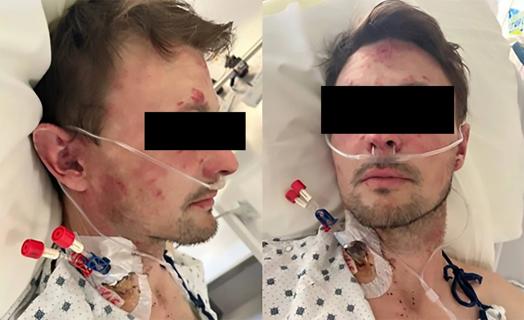
Case: Presentation includes joint pain and neurological symptoms

CAR T-cell therapy may offer reason for optimism that those with SLE can experience improvement in quality of life.
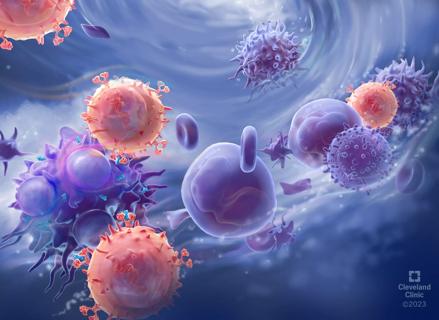
Advancements lead to a new trial involving autoimmune disease

Lupus Clinic providers collaborate to advance treatment and understanding

A review of expanding options that hold new promise

Disease associated with higher risks for maternal and fetal morbidities

Combining customized care, research capabilities and flexibility for the future

Updates on this fast-evolving therapeutic landscape from a leading trialist
 Search