Locations:





Innovative workforce strategy transforms nursing careers through education, flexibility and ongoing support
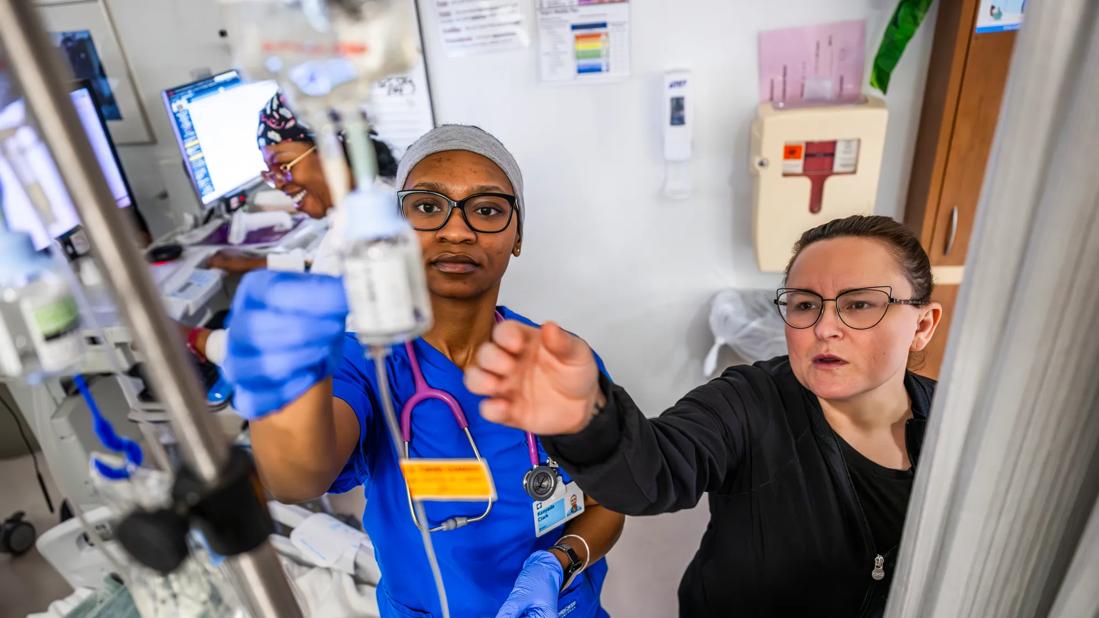
Image content: This image is available to view online.
View image online (https://assets.clevelandclinic.org/transform/d33dd08e-1886-451c-a789-7470447b898a/NUR_7637658_1-26-26_087_MLC)
PCNA to LPN training program
As health systems nationwide grapple with workforce shortages and rising patient acuity, many nurse leaders are looking inward for solutions. A new Cleveland Clinic program offers a compelling model for finding and developing sustainable talent — one that creates a direct, supportive pathway from patient care nursing assistant (PCNA) to licensed practical nurse (LPN).
Advertisement
Cleveland Clinic is a non-profit academic medical center. Advertising on our site helps support our mission. We do not endorse non-Cleveland Clinic products or services. Policy
Launched in January 2025, the Pathway to Practical Nursing program allows Cleveland Clinic to cultivate its own future LPN workforce from high-performing nursing assistants already embedded in the organization’s culture of safety and quality, explains Linda Gardner, DNP, MEd, RN, CNOR, Senior Director of Nursing Education and Professional Development.
“Pathway to Practical Nursing is more than a strategic initiative — it’s an investment in our caregivers’ future,” she says. “The program is focused on four pillars: engage the PCNA workforce, retain talented caregivers, grow the nursing pipeline and engage nurse leaders.”
Initially created at Main Campus and Euclid Hospital, the program allows participants to complete clinical rotations at their current Cleveland Clinic location — a process that reinforces their familiarity with workflows, teams and patient populations.
Upon completion, graduates commit to a one-year work agreement as an LPN. Cheryl Causey, MSN, RN, Education Manager, Nursing Education and Professional Development, emphasizes that this consistent approach empowers the enterprise and its caregivers to achieve significant, lasting advantages. By establishing a reliable and supportive pathway, the organization not only fosters professional growth but also strengthens workforce stability.
“Professionally developing our own nurses is one of the most powerful workforce strategies available to us,” Causey says. “This program gives them the education and support to practice at the next level. Our PCNAs already understand our patients, mission, vision and values.”
Advertisement
The program is based on a curriculum from the Northern Career Institute (NCI) — formerly the Willoughby Eastlake School of Practical Nursing — that spans two rigorous 18-week semesters. The program offers comprehensive support services designed to address the needs of adult learners juggling work, school and personal obligations. The partnership with NCI coupled with the program's flexible design facilitates academic achievement while fostering resilience and long-term retention among participants, Causey explains.
Gardner also emphasizes the importance of ongoing support from Cleveland Clinic's nurse leaders. “If we want bedside caregivers to advance, we must remove barriers — not create more,” she says. “Flexible work schedules and holistic support acknowledge that our caregivers have families, financial responsibilities and personal lives that extend beyond their work commitments.”
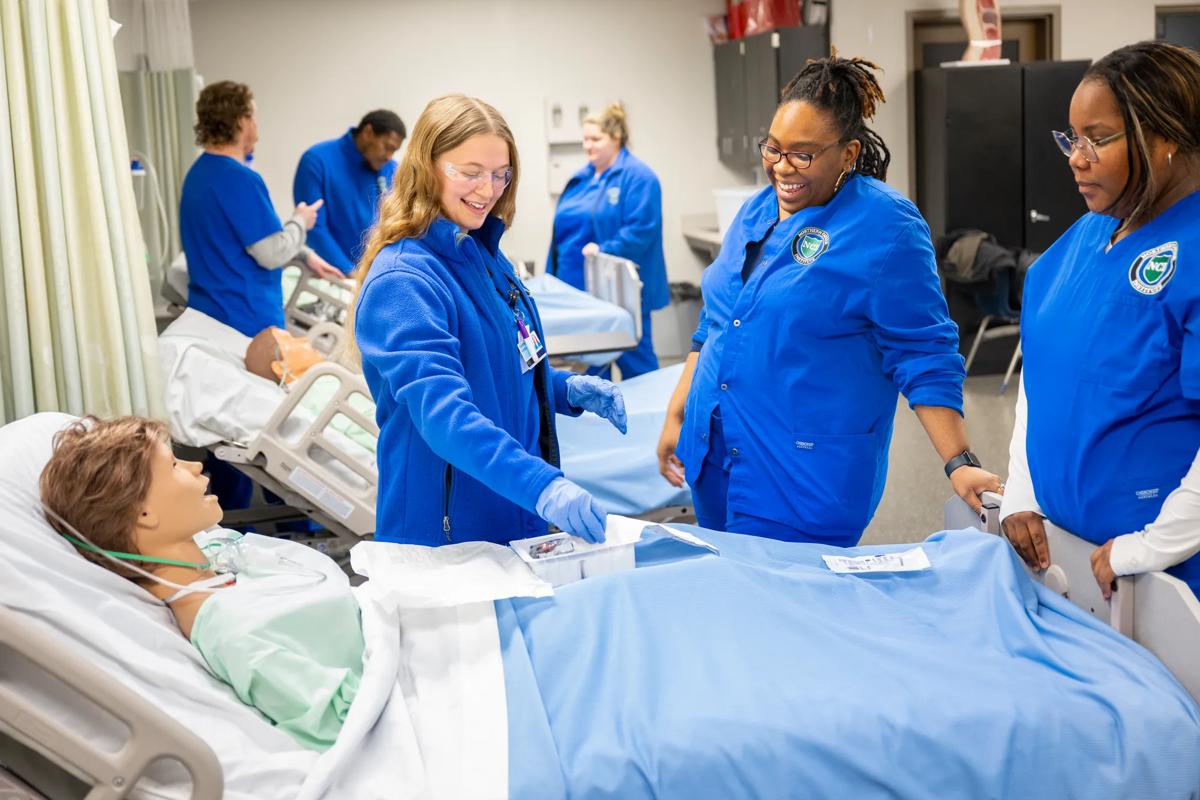
Image content: This image is available to view online.
View image online (https://assets.clevelandclinic.org/transform/37fa47ca-6a36-4a09-8d95-34f1060b2b3d/NUR_7657108_01-22-26_083_MK)
PCNAs work to achieve LPN status through classroom learning, simulation sessions key steps: and clinical rotations.
One distinguishing feature of the initiative is the comprehensive wraparound support it provides. Recognizing that social determinants can influence educational success, the school provides integrated practical resources, including a food pantry with a variety of grab-and-go options, washer and dryer access, free bus transportation and an on-site social worker/student
advisor.
These amenities reduce stressors that might otherwise derail academic progress, Gardner says, adding that this holistic approach may be as critical as the curriculum itself.
“Education alone isn’t enough,” she says. “When we nurture the whole caregiver academically, emotionally and practically, we dramatically improve completion rates and long-term retention.”
Advertisement
Causey stresses that, for nurse executives and professional development leaders, the implications of Pathway to Practical Nursing extend beyond individual advancement.
“Our goal is to strengthen internal mobility, enhance engagement and promote retention,” she explains. “After all, caregivers are more likely to remain with an organization that actively encourages their growth.”
“Additionally, because the PCNAs who complete the program are already familiar with their hospital’s electronic health records, policies and patient population, their onboarding time as new LPNs may be reduced,” Gardner adds. “The transition from unlicensed assistive personnel to licensed nurse becomes a continuum rather than a disruptive leap.”
Gardner explains that cultivating internal candidates can also mitigate recruitment costs and reduce the institution’s reliance on external staffing agencies. Additionally, the model reinforces trust by providing caregivers with tangible pathways to advancement.
“As nurse leaders, we talk about professional growth,” she says. “This program makes it real by telling our PCNAs: ‘We see your potential — and we’re willing to invest in it.’ That message alone transforms morale.”
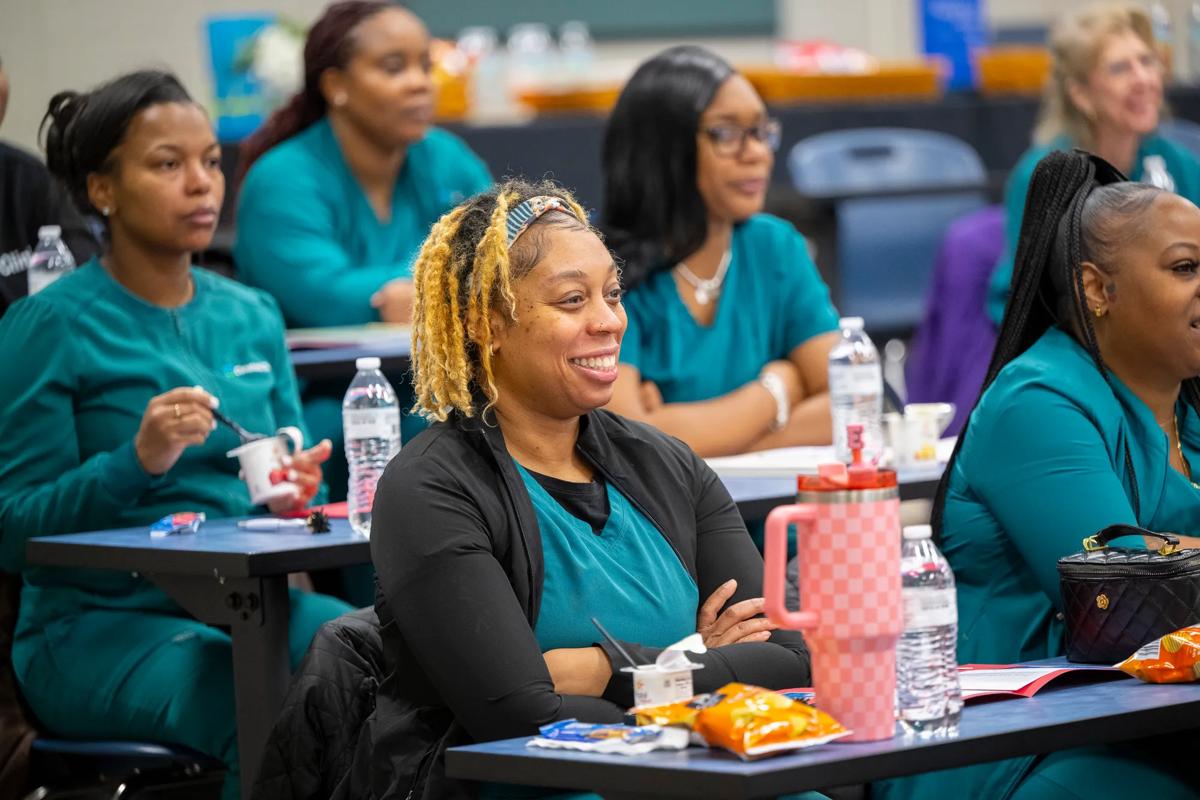
Image content: This image is available to view online.
View image online (https://assets.clevelandclinic.org/transform/3ca872dd-bbec-4437-937b-d3a027e79e68/NUR_7496158_01-14-26_024_MK)
The program's special amenities reduce stressors that might otherwise derail academic progress.
Causey urges other nurse leaders interested in developing similar programs to consider several key steps:
Advertisement
Proactive communication is an equally important goal, Causey adds, noting that Cleveland Clinic’s rollout included manager meetings and FAQ distribution to ensure frontline leaders clearly understood candidate eligibility, expectations and timelines.
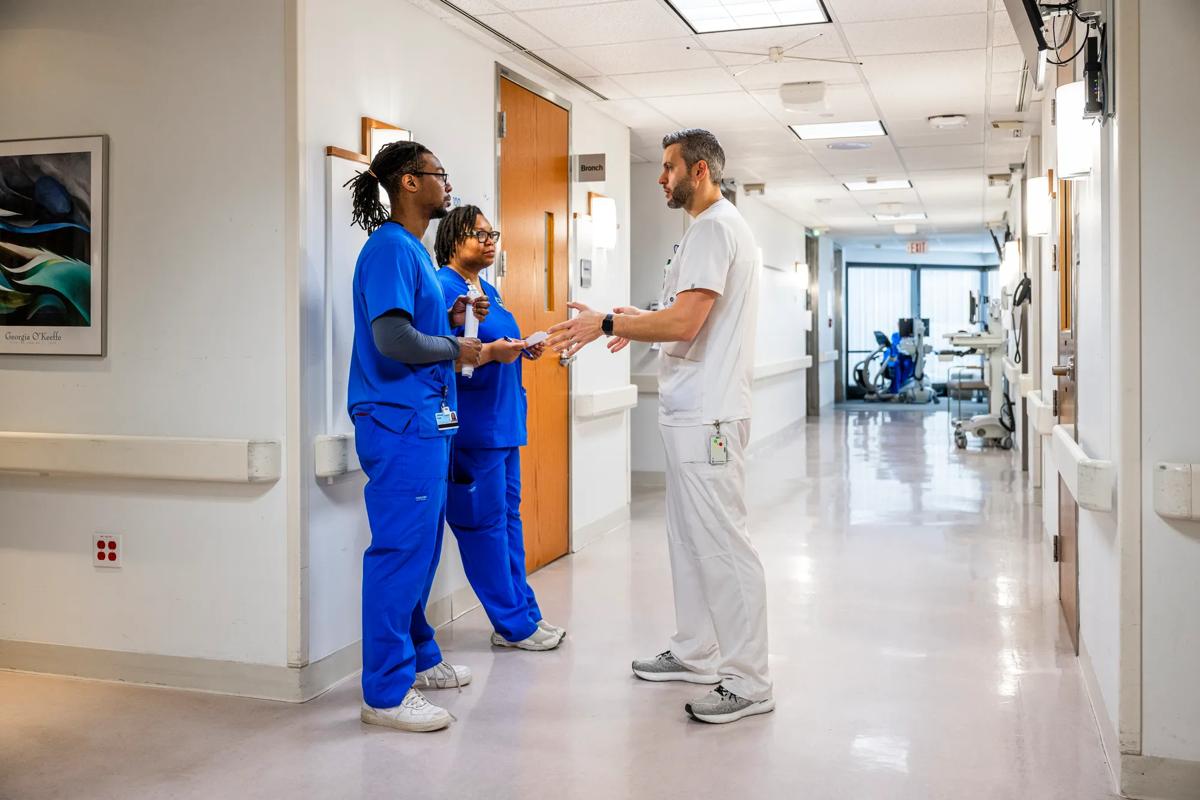
Image content: This image is available to view online.
View image online (https://assets.clevelandclinic.org/transform/c441fe8a-2a46-4f00-9222-413a3a28d7af/NUR_7637658_1-26-26_117_MLC)
The program's learning model reinforces trust by providing caregivers with tangible pathways to advancement.
At a time when healthcare systems face unprecedented staffing challenges, Gardner says successful PCNA to LPN programs demonstrate how intentional workforce development can align a healthcare organization’s mission, retention efforts and commitment to patient care.
“For professional nurses and nurse executives, the lesson is clear: The future of nursing may already be working within your walls,” she says. “When we foster our caregivers’ growth, we’re not just filling positions — we’re building careers, strengthening teams and securing the future of nursing.”
Advertisement
Advertisement

Translating clinical questions into meaningful, sustainable change
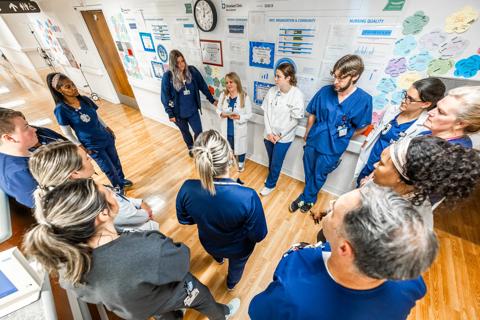
Guidance for creating a relevant framework that reflects organizational values, supports professional practice
Helping patients recognize respiratory changes, navigate treatment barriers and stay connected to their clinical team
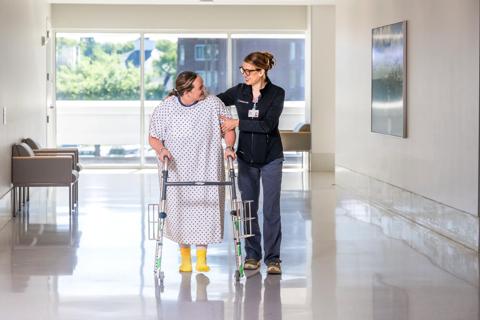
Initiative provides hands-on opportunities to promote early, progressive activity
Continuing to grow by following the right path at the right time
Teaching caregivers to recognize warning signs, de-escalate difficult situations and maintain professional boundaries

Veteran caregivers offer practical wisdom for building confidence and practicing with purpose
Skill, dedication and a passion for women and children inspire this joy-filled specialty
 Search