Locations:





Nurse-led program uses hands-on, low-fidelity training to strengthen skills and confidence with high-risk cardiac devices
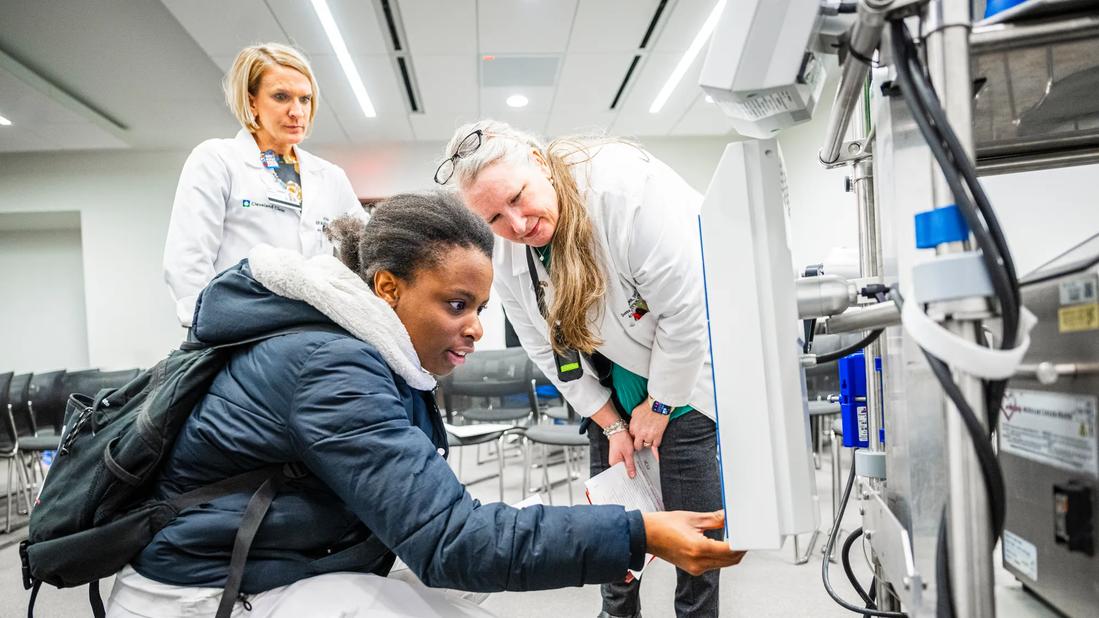
Image content: This image is available to view online.
View image online (https://assets.clevelandclinic.org/transform/2d10fde0-56ea-4dbc-b395-683cf73bf50f/HVI_7871908_02-12-26_038_SCG)
Device Day
In high-acuity cardiovascular intensive care units (CVICUs), nurses are expected to manage increasingly complex technologies while maintaining a relentless focus on patient safety. Yet, opportunities to build and sustain competency with high-risk devices can be inconsistent, particularly when patient volumes or case mix limit exposure.
Advertisement
Cleveland Clinic is a non-profit academic medical center. Advertising on our site helps support our mission. We do not endorse non-Cleveland Clinic products or services. Policy
A new Cleveland Clinic initiative now offers a practical solution to this challenge by leveraging low-fidelity simulation to reinforce critical skills in a safe, structured environment. Developed by a team of clinical nurse specialists, Device Day gives nurses dedicated time to practice hands-on skills with essential CVICU equipment.
Maintaining competency across a wide range of technologies is central to the model, explains Rachael Jividen, DNP, APRN-CNS, ACCNS-AG, CCRN-CSC-CMC, who co-founded the initiative.
“We recognized that nurses needed more consistent, direct exposure to the devices they’re expected to manage,” says Jividen, an acute care clinical nurse specialist and former extracorporeal membrane oxygenation (ECMO) coordinator at Cleveland Clinic. “Device Day creates a safe space to build confidence using fully functional equipment in a way that isn’t always possible at the bedside.”
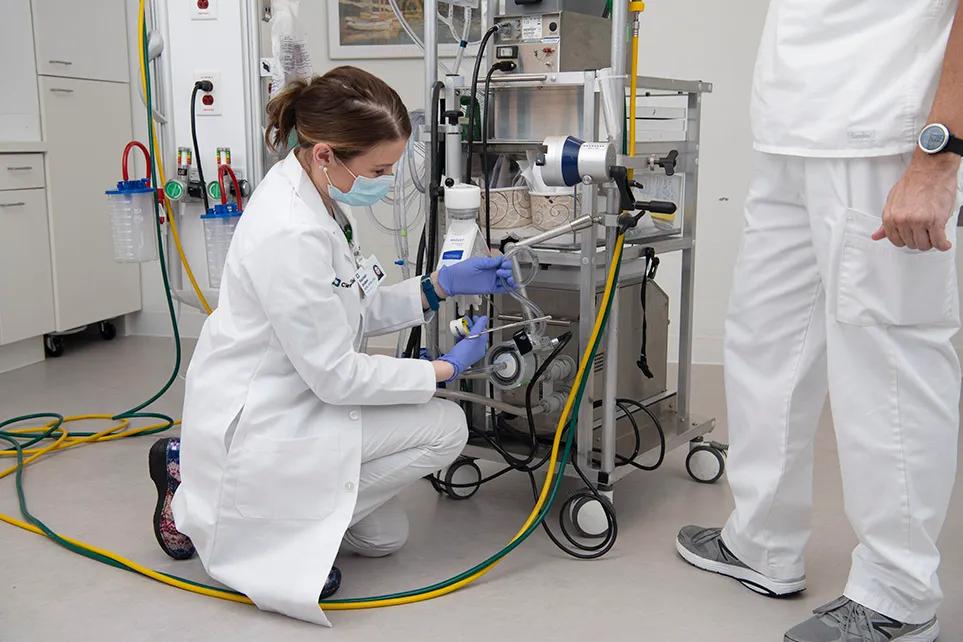
Image content: This image is available to view online.
View image online (https://assets.clevelandclinic.org/transform/f064fa27-d74d-4753-90ed-5501150abc74/HVI-24360081_10-25-21_007_ST)
Clinical nurse specialists Rachael Jividen (pictured) and Jessica Elliott created the program to increase nurses' familiarity with high-risk equipment.
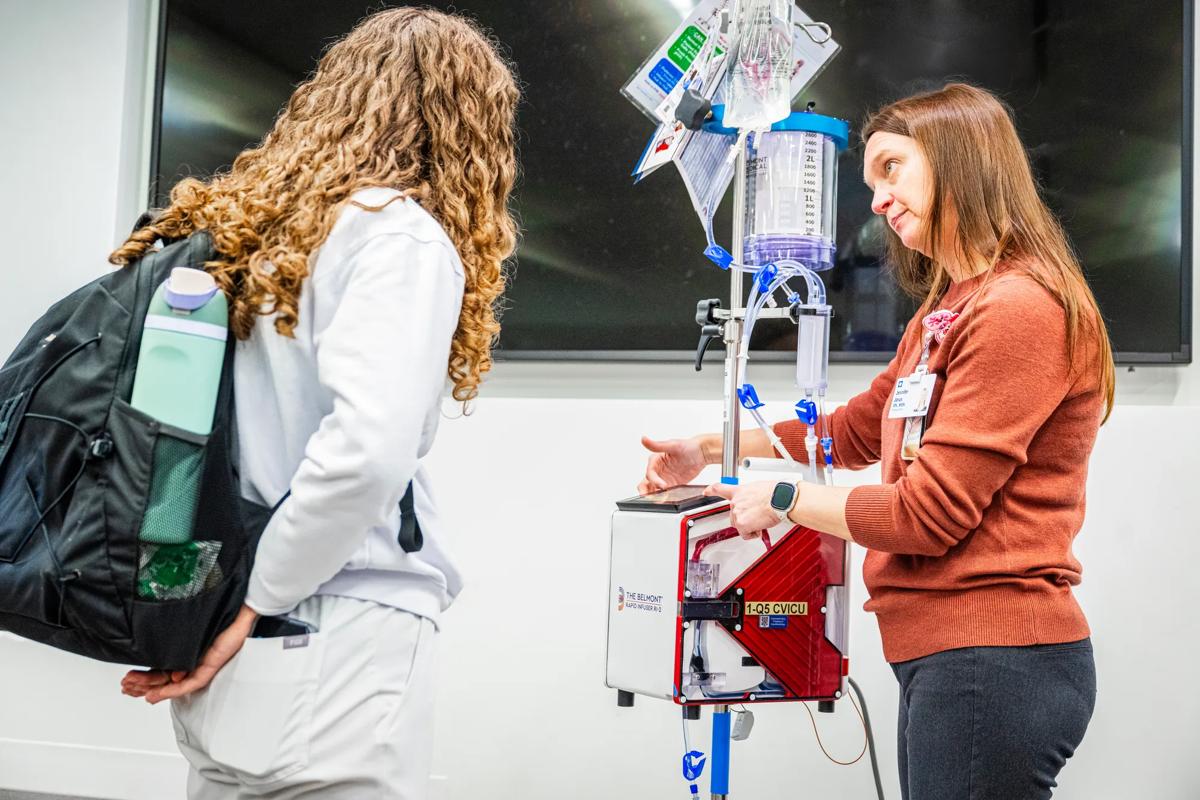
Image content: This image is available to view online.
View image online (https://assets.clevelandclinic.org/transform/fc807c4b-5667-4dac-815c-94cd5cd5f33f/HVI_7871908_02-12-26_043_SCG)
Participants benefit from hands-on interaction with ECMO circuits and other complex systems.
Despite their initial training, nurse caregivers report varying levels of exposure to devices like ECMO, intra-aortic balloon pumps, left ventricular assist devices and continuous renal replacement therapy, explains program co-founder Jessica Elliott, MSN, APRN-CNS, ACCNS-AG, CCRN-K.
“Our goal was to develop a curriculum that addresses these gaps by standardizing competency across the workforce,” she says. “By focusing on realistic scenarios and providing hands-on exposure to the equipment, participants can immediately connect what they’re doing to real patient care.”
Elliott, a Nursing Education Manager at Cleveland Clinic Hillcrest/Mentor, Marymount and South Pointe hospitals, notes that all devices used during the 3.5-hour educational sessions are fully operational. For example, ECMO circuits are primed and alarms are active, enabling nurses to troubleshoot and rehearse emergency responses in real time. Multiple product variations are also included to reflect the wide variety of equipment encountered in nursing practice.
Advertisement
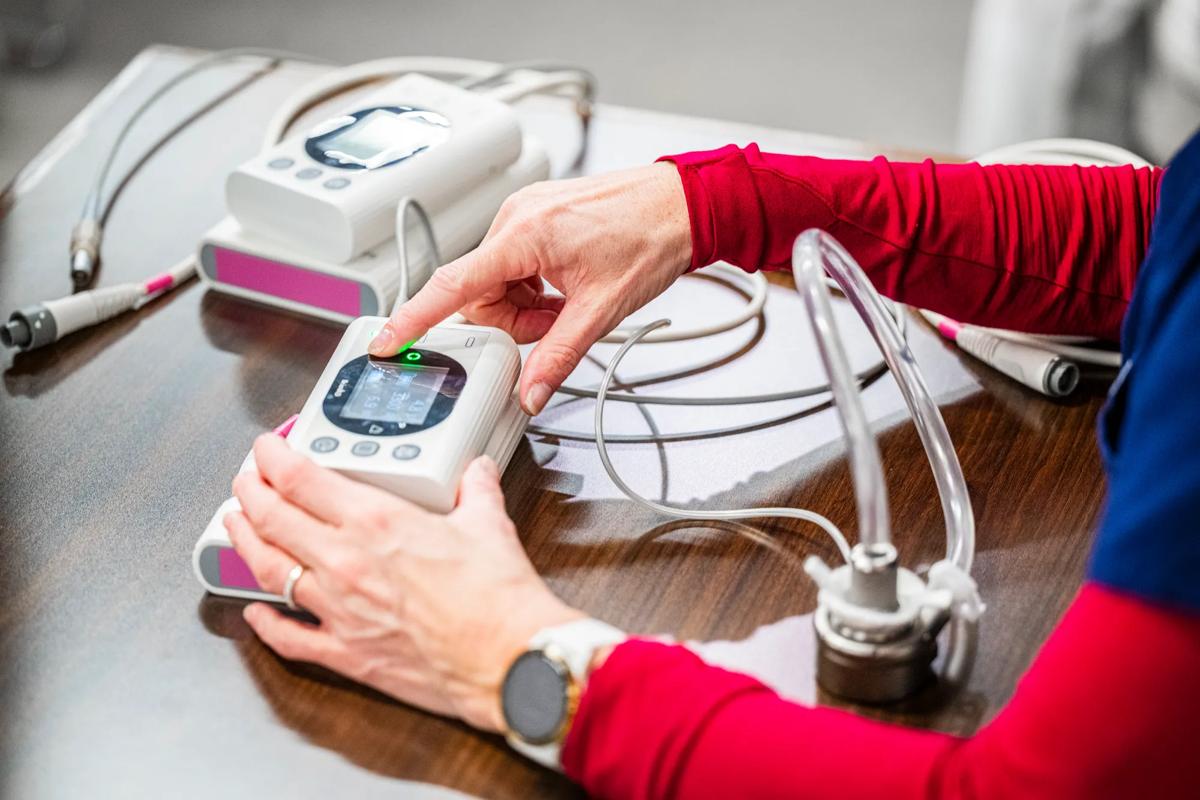
Image content: This image is available to view online.
View image online (https://assets.clevelandclinic.org/transform/95efaa5c-d4ae-4bb6-a8f3-0fad57fb002d/HVI_7871908_02-12-26_007_SCG)
The program is designed to increase nurses' exposure to devices like ECMO, intra-aortic balloon pumps, LVADs and continuous renal replacement therapy.
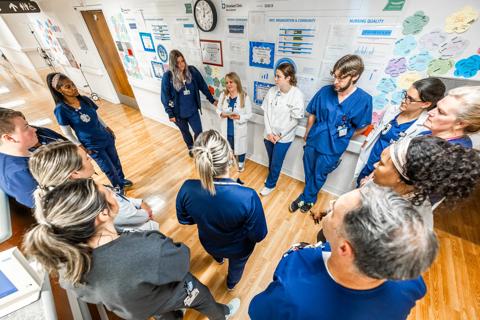
Participants rotate through a series of stations focused on specific high-risk skills, with facilitator checklists ensuring consistency in instruction and evaluation. Nurses are not only required to perform tasks but also to articulate the rationale behind their actions — an approach that reinforces clinical judgment and critical thinking, Elliott explains.
Device Day sessions are offered approximately 10 times per year, with an open attendance format that allows nurses to participate as their schedules permit. This flexibility is designed to maximize participation while minimizing disruption to staffing.
Jividen notes that participant feedback has been overwhelmingly positive. Learners consistently report valuing the opportunity to exercise emergency skills in a safe environment and deepen their understanding of device functionality. Many participants have specifically noted the benefit of hands-on interaction with ECMO circuits and other complex systems.
“The ability to engage in emergency scenarios without the pressures of managing real patients is incredibly valuable,” she says. “It allows nurses to ask questions, make mistakes and refine their skills in a supportive cohort of their peers.”
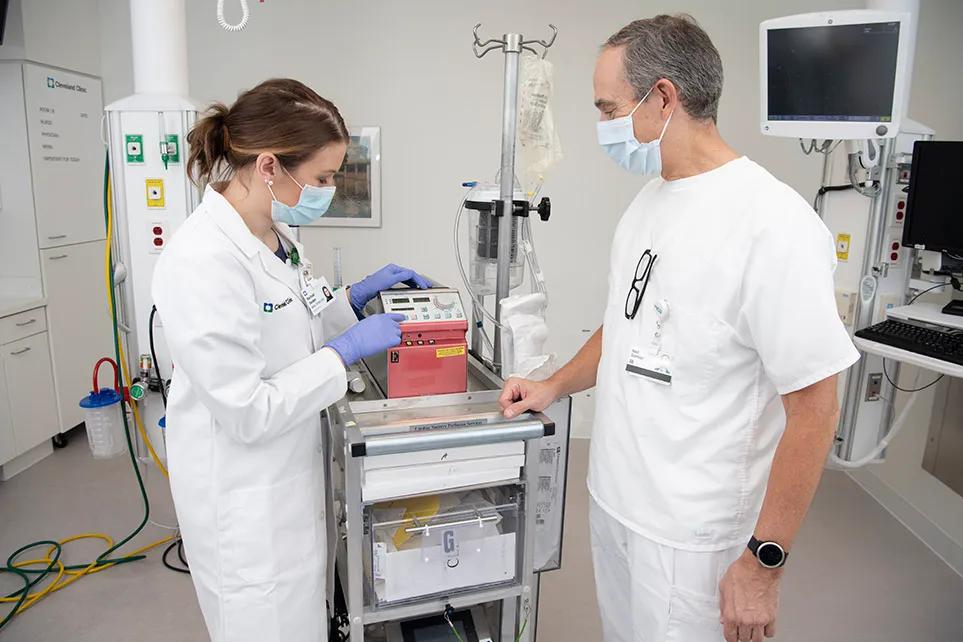
Image content: This image is available to view online.
View image online (https://assets.clevelandclinic.org/transform/889e7df7-21f6-436d-994f-7be67835ec6f/Device-Day-2021-HVI-24360081_10-25-21_ST)
Device Day leaders like Jividen (left) guide participants as they rotate through a series of stations focused on specific high-risk skills.
The Device Day team has continued to fine-tune the program based on participant feedback. Recent enhancements include the addition of new stations, including two focused on the use of pupillometry and subarachnoid drains, that expand the fleet of stations beyond cardiac assist devices to better meet the needs of the unit.
Advertisement
“Sustained expertise in any healthcare setting requires ongoing reinforcement and opportunities to engage with complex technologies,” Jividen adds. “We hope to demonstrate how thoughtful, nurse-led innovation can effect meaningful change.”
Although the program was originally designed for the CVICU, Elliott emphasizes that its core principles — hands-on practice, low-fidelity simulation and learner-centered design — can be applied across a wide range of clinical environments.
“This makes the model particularly appealing for organizations seeking cost-effective ways to sustain competency without relying on high-fidelity simulation resources,” she says.
Advertisement
Advertisement
Using meticulous preparation and teamwork to manage critically ill patients in constantly changing environments

Translating clinical questions into meaningful, sustainable change
Guidance for creating a relevant framework that reflects organizational values, supports professional practice
Helping patients recognize respiratory changes, navigate treatment barriers and stay connected to their clinical team
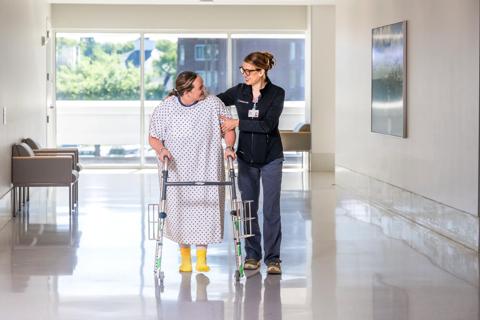
Initiative provides hands-on opportunities to promote early, progressive activity
Continuing to grow by following the right path at the right time
Teaching caregivers to recognize warning signs, de-escalate difficult situations and maintain professional boundaries
Veteran caregivers offer practical wisdom for building confidence and practicing with purpose
 Search