Locations:
Search IconSearch

Diabetes & Endocrinology

diabetic neuropathy
August 30, 2023/Diabetes & Endocrinology

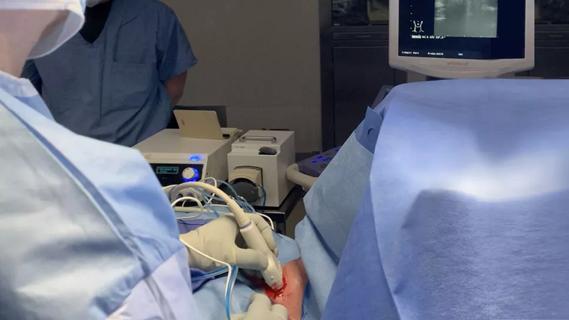
Significant Relief for Some With Diabetic Neuropathy

Spinal cord stimulation can help those who are optimized for success

Checkpoint inhibitors

Endocrinopathies from Checkpoint Inhibitors

Incidence, outcomes and management

23-CCC-3907458 CC London neuroendocrine case report 650×450

Case Report: Symptoms of Hypoglycaemia Lead to an Unexpected Diagnosis

Patient’s unexplained low blood glucose levels in the absence of diabetes spark quest for answers

illustration of LDL cholesterol particle

CLEAR Outcomes Subanalysis Shows Strong Primary Prevention Effect for Bempedoic Acid

Robust reductions in cardiac events seen in high-risk patients without prior events

Advertisement

Cleveland Clinic is a non-profit academic medical center. Advertising on our site helps support our mission. We do not endorse non-Cleveland Clinic products or services. Policy

23-HVI-3972959_testosterone-and-the-heart_650x450

TRAVERSE Study Supports Cardiovascular Safety of Testosterone Therapy When Used as Indicated

But findings apply only to middle-aged or older men with confirmed hypogonadism

Keren Zhou, MD

Multi-Pronged Strategies Key to Reducing Hospital-Related Hyperglycemic Events

Cleveland Clinic endocrinologists work to identify protocols for improving care

Continuous Glucose Monitoring

What to Know In an Expanding Continuous Glucose Monitoring Landscape

Clinicians must navigate options as more patients qualify for CGM

endocrinology and geriatrics

Endocrine Care with a Focus on Aging Stronger, Faster, Better

Building the bridge between endocrinology and geriatrics

Blood test
February 10, 2023/COVID-19

Effects of COVID-19 on Blood Sugar and Type 2 Diabetes

Cleveland Clinic analysis suggests that obtaining care for the virus might reveal a previously undiagnosed condition

23-EYE-3521610 CQD-Time to resolution of DME-Talcott-650×450
February 8, 2023/Diabetes & Endocrinology

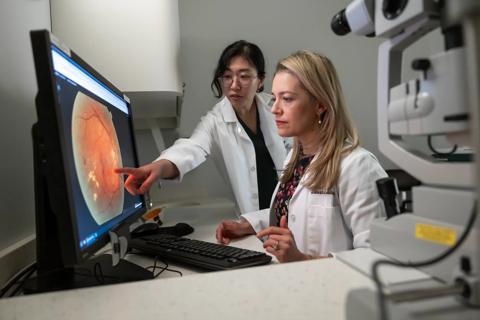
Diabetic Macular Edema Can Take 1-2 Years to Resolve in Patients Despite Aggressive Treatment

Greater central subfield thickness and better visual acuity at baseline are associated with longer time to resolution

BackPage 4 of 15Next

Advertisement

Ad