Locations:






Elevated levels of the gut microbial metabolite predict prevalence and adverse outcomes in community-based study

Phase 1 trial shows up to 97% decrease through 48 weeks with good tolerability

Post hoc ALPACA analysis boosts biological rationale for ongoing outcomes trial of lepodisiran

Durability findings propel potential one-time treatment approach to phase 1b testing
Advertisement
Cleveland Clinic is a non-profit academic medical center. Advertising on our site helps support our mission. We do not endorse non-Cleveland Clinic products or services. Policy

Findings promise to shape future antiplatelet drug development and treatment strategies
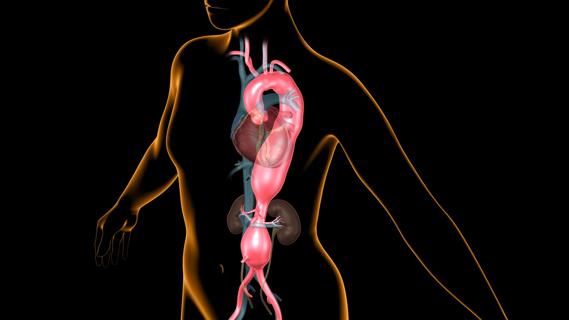
Robust signal from observational study raises prospect of a long-sought medical therapy

LLM-driven system uses both structured and unstructured data, provides auditable justifications

CD36 loss-of-function variant accounts for large portion of risk in this population

First-in-human phase 1 trial induced loss of function in gene that codes for ANGPTL3
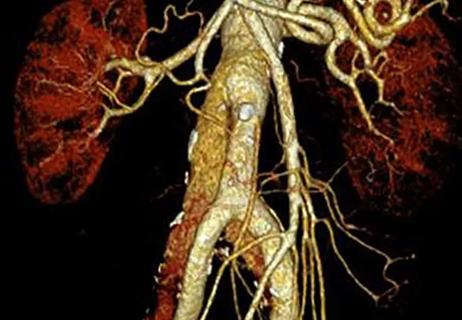
Blood test can identify patients who need more frequent monitoring or earlier surgery to prevent dissection or rupture
Advertisement
Advertisement
 Search