Locations:





Podcast content: This podcast is available to listen to online.
Listen to podcast online (https://www.buzzsprout.com/2256206/19823308)
Evidence-based practice (EBP) is essential to delivering high-quality care, but keeping pace with an ever-growing body of research can be challenging. For nurses, applying evidence effectively involves seeking and interpreting high-quality research, considering clinical expertise and understanding the perspectives of patients and families.
Advertisement
Cleveland Clinic is a non-profit academic medical center. Advertising on our site helps support our mission. We do not endorse non-Cleveland Clinic products or services. Policy
"Evidence-based practice enables nurses to shape the future of care, but it is a process that requires determination and diligence," says Nancy M. Albert, PhD, CCNS, CHFN, CCRN, NE-BC, FAHA, FCCM, FHFSA, FAAN, Executive Director and Associate Chief Nursing Officer of Cleveland Clinic's Office of Nursing Research and Innovation. "Applying quick solutions without measuring whether they work can consume time, energy and resources without improving care. New practices only become sustainable through education, training, monitoring and consistent reinforcement."
In this episode of Nurse Essentials, Albert defines the key components of EBP and provides tips for recognizing current gaps in practice, evaluating evidence, finding the right support, implementing change and overcoming barriers. She also highlights the importance of intellectual curiosity and fostering an organizational culture of inquiry.
Click the podcast player above to listen to the episode now, or read on for a short, edited excerpt. Check out more Nurse Essentials episodes at https://my.clevelandclinic.org/podcasts/nurse-essentials or wherever you get your podcasts.
Podcast host Carol Pehotsky, DNP, RN, NEA-BC: As a nurse, I want to make sure I’m always providing up-to-date, evidence-based care. What indicates when a current practice or workflow might need to change?
Albert: We ought to be doing this kind [of analysis] day in and day out. I encourage caregivers to use their sixth sense. [Pay attention] if something doesn't seem right anymore…or you finding yourself asking: Why am I doing this? What's the evidence for it? If you're asking those questions in your head, think about going to the literature [for confirmation].
Advertisement
I'll give you a simple example. Years ago, we had an oncology nurse who felt odd about putting patients on a neutropenic diet because it [limits the consumption of] healthy foods like fruits and vegetables. When we did a literature review, we found that a neutropenic diet was no longer warranted, even though our own policy still showed that cancer patients needed to be on one.
So we took our evidence to the oncology specialists. We talked to the policy owners…and they agreed with our findings. The policy was ultimately changed because a nurse asked the right questions: How come we're still doing this? It doesn't seem right. We're supposed to be teaching our patients to follow a healthy diet, but how can they do that if everything they eat is boxed, bagged or frozen?
Advertisement
Advertisement
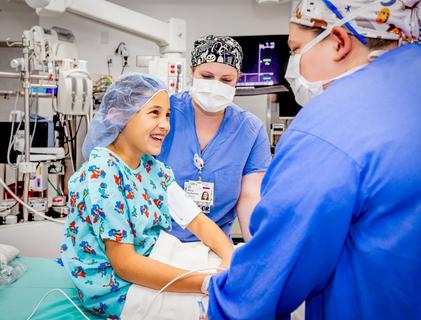
Specialized training prepares caregivers to address the unique physical and emotional needs of young patients
Using meticulous preparation and teamwork to manage critically ill patients in constantly changing environments
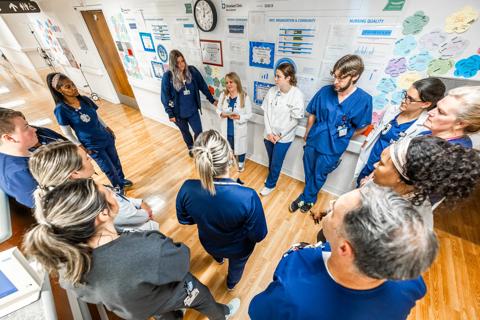
Guidance for creating a relevant framework that reflects organizational values, supports professional practice

Helping patients recognize respiratory changes, navigate treatment barriers and stay connected to their clinical team
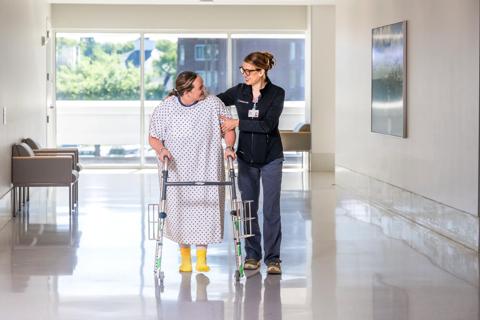
Initiative provides hands-on opportunities to promote early, progressive activity

Continuing to grow by following the right path at the right time

Teaching caregivers to recognize warning signs, de-escalate difficult situations and maintain professional boundaries

Veteran caregivers offer practical wisdom for building confidence and practicing with purpose
 Search