Locations:

Ophthalmology Research

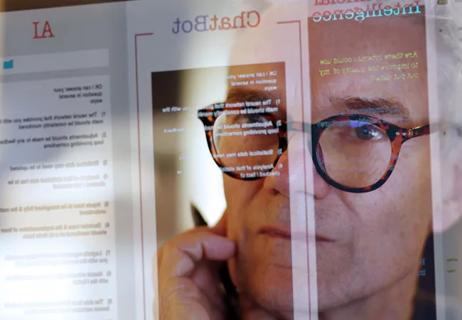
23-EYE-4051658-CQD-ChatGPT-in-Ophthalmology-Research

Don’t Believe Everything Chatbots Say About Ophthalmic Research

30% of references generated by ChatGPT don’t exist, according to one study

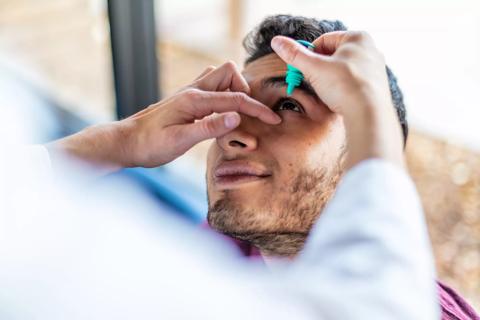
Eye drops

Hypertension Drug Losartan Reverses Scarring and Restores Vision After Cornea Damage

Studies indicate dramatic results when used topically with or without corticosteroids

22-EYE-3141638 CQD-EYP-1901 with vorolanib for maintenance of nAMD

DAVIO Trial Results: Vorolanib Injection Reduces Treatment Burden for Patients with nAMD

53% of participants didn’t need anti-VEGF for six months or longer

Advertisement

Cleveland Clinic is a non-profit academic medical center. Advertising on our site helps support our mission. We do not endorse non-Cleveland Clinic products or services. Policy
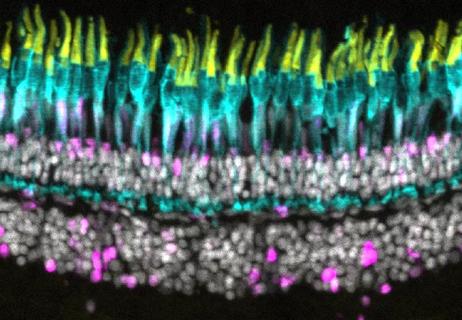
22-EYE-3049477 New findings in retinal regeneration-Perkins-650×450-4

Restoring the Retina: How to Regenerate Photoreceptors in Inherited Retinal Dystrophy

Notch pathway inhibition preserves retinal neurons and promotes regrowth in zebrafish

Dr. Ghasia

Amblyopia: Eye Movement Recordings Enhance Understanding of Visual Deficits

Patients frequently have problems with depth perception and interocular suppression

A Cleveland Clinic Cole Eye Institute ophthalmologist uses intraoperative OCT during retinal surgery.

3D Viewing System Improves Surgical-Field-Based Visualization of iOCT Data

Surgeons also report benefits of integrated heads-up display
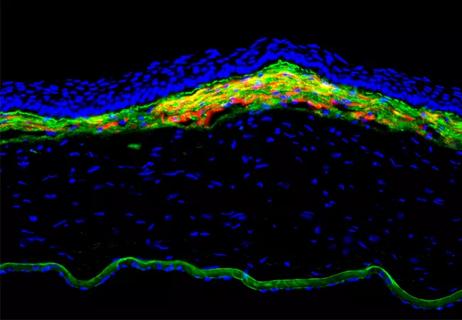
22-EYE-2826711 CQD_fig 1_Cornea Service – Grants_650x450_hero

Nine NIH R01 and Equivalent Grants Help Cleveland Clinic Researchers Advance Cornea Care

Among latest findings: Topical losartan helps reduce corneal scarring after injury

LASIK surgery

Corneal Epithelial Thickness Mapping May Change Patients’ Eligibility for Refractive Surgery

Study finds that 11% of those originally deemed ineligible for LASIK are now candidates

Ophthalmic researchers Jonathan Sears, MD, and George Hoppe, MD, PhD

One Step Closer to a Drug Preventing Retinopathy of Prematurity

Artificially stabilizing hypoxia-inducible factor may stop the damaging effects of hyperoxia in preterm infants

BackPage 2 of 4Next

Advertisement

Ad