Locations:


Promoting a patient-centered approach and offering a range of options is key
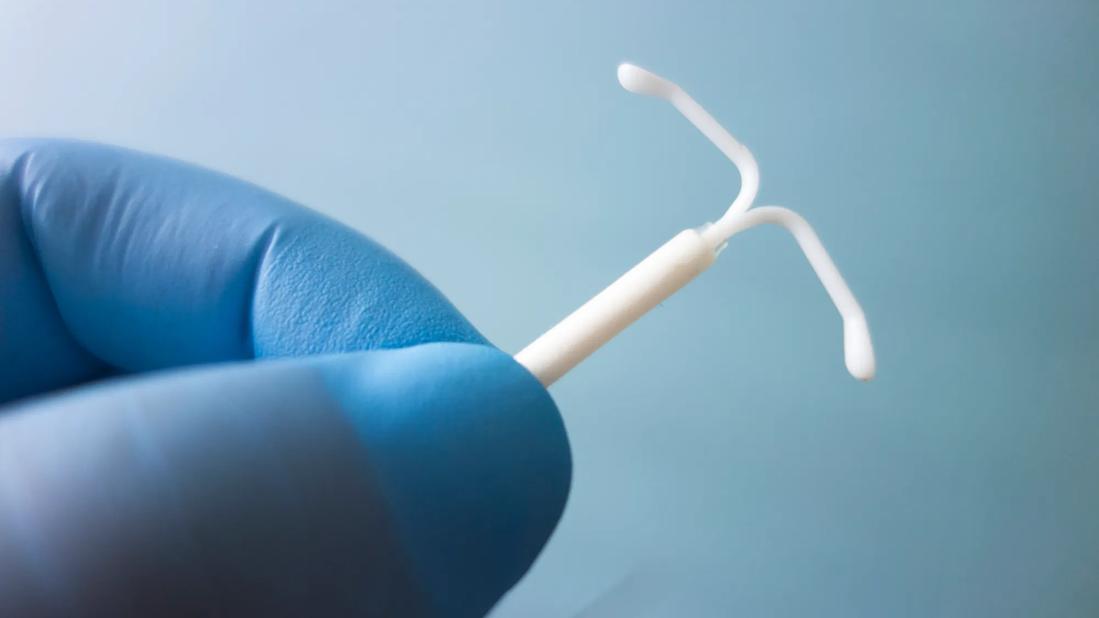
Image content: This image is available to view online.
View image online (https://assets.clevelandclinic.org/transform/e639eb2f-234e-4cc1-b23e-c5118b192d96/intrauterine-device-1488959490)
photo of an IUD
Approximately one in 10 women between 15 and 45 who practice contraception rely on intrauterine devices (IUDs). Although IUDs are highly effective, fear of pain during placement is a barrier to more widespread use.
Advertisement
Cleveland Clinic is a non-profit academic medical center. Advertising on our site helps support our mission. We do not endorse non-Cleveland Clinic products or services. Policy
“IUDs have a reputation for pain, and patients may not know that they have pain management options,” says Cleveland Clinic Ob/Gyn Ashley Brant, DO, MPH, Director of the Complex Family Planning Program.
In 2025, the American College of Obstetricians and Gynecologists' Committee on Clinical Consensus–Gynecology developed consensus recommendations for pain management for in-office uterine and cervical procedures, including IUD placement. The committee opinion stresses the need for healthcare professionals to better understand pain management options and for patients to have more autonomy over pain control options during in-office procedures.
“Patients feel more respected when their pain and anxiety are addressed and they’re given options to choose from,” says Dr. Brant.
Cleveland Clinic offers a full range of nonpharmacological, pharmacological and environmental options to manage pain and reduce anxiety during IUD insertion. These include:
As part of an internal grant that Dr. Brant received in July, Cleveland Clinic will begin offering nitrous oxide administration in 2027 during in-office gynecologic procedures. Dr. Brant will also develop educational tools to inform patients about nitrous oxide.
“We want to facilitate conversations with patients,” she says. “Nitrous oxide helps manage anxiety. If you’re feeling really anxious, that may affect your perceptions of pain and your overall perception of the experience.”
Advertisement
IUD insertion takes approximately three to five minutes. Dr. Brant says multiple steps in the procedure can cause discomfort or pain: placement of the speculum, placement of a tenaculum on the cervix for stabilization, passing of a uterine sound through the cervix to measure the depth of the uterus for proper IUD placement and placement of the device.
“Everyone’s pain tolerance is different,” says Dr. Brant. “Some people feel very minor cramping, like light menstrual cramps, and for other people it’s more intense or feels like sharp cramping. There’s no way to predict exactly what it will be like for each patient.”
That’s why it’s so important for providers to engage in conversations with patients to set expectations, discuss pain relief options and promote shared decision-making. Dr. Brant reviews each patient’s history to help them determine whether the block is a good option.
Pain management decisions also hinge on other factors, such as a history of trauma; prior cervical procedures that can cause scarring, including a loop electrosurgical excision procedure or cervical conization; and gynecologic conditions such as vaginismus and vulvodynia.
“We have to take a patient-centered approach to pain management and explicitly address it with our patients,” says Dr. Brant. “Some patients will say, ‘I'm not worried about it. I don't need anything extra.’ But across the board, they're going to appreciate that we respected them enough to talk to them about pain management.”
Advertisement
Advertisement

The simple procedure can be done during other abdominopelvic surgeries

Guidelines consider multiple risk factors for post-menopausal women

Focus remains on risk-factor modification and antenatal surveillance

Low-dose aspirin, more frequent checkups may lower risks
History of laparoscopy with morcellation should inform differential

Akron General project highlights the benefits of doula partnerships

Change eliminates waste associated with dual-field approach
Researchers compare two image modes in detecting left ventricular remodeling
 Search