Locations:





Expert nurses educate and support patients in managing diabetes for life
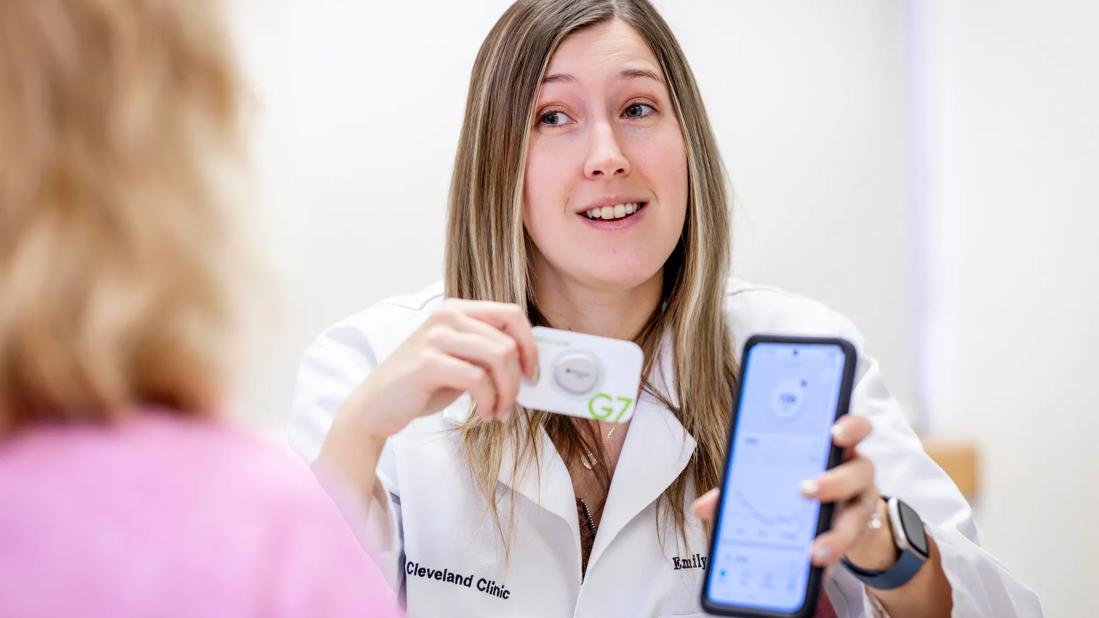
Image content: This image is available to view online.
View image online (https://assets.clevelandclinic.org/transform/e30e91e1-f395-4c6a-b611-9f14352250a1/NUR_7707508_02-18-26_071_LDJ-r)
Nurse with diabetic patient
According to the U.S. Centers for Disease Control and Prevention (CDC), an estimated 40.1 million Americans live with diabetes — approximately one in 10 people. Diabetes is a chronic condition that occurs when a person’s body produces no insulin or cannot use it as it should, leading to high blood sugar levels. For those who have it, there’s a lot to learn and understand, and managing it is crucial for optimal health and wellbeing.
Advertisement
Cleveland Clinic is a non-profit academic medical center. Advertising on our site helps support our mission. We do not endorse non-Cleveland Clinic products or services. Policy
“Diabetes affects your entire body and when people get diagnosed with it, it can be overwhelming,” says Emily Sundberg, BSN, RN, CDCES, a diabetes nurse educator in Cleveland Clinic’s Endocrinology & Metabolism Institute. “As someone who has had diabetes most of my life, I’m passionate about taking it seriously and helping others do the same.”
Sundberg is part of an outpatient team of roughly 30 nurses and dieticians who educate and care for people with diabetes. Diabetes experts also work in Cleveland Clinic hospitals or serve in coordinator roles to encourage continuity of care from inpatient to outpatient. Caregivers all have the same mission — to help patients better understand their condition and achieve diabetes-related goals.
“Managing diabetes is highly individualized — it’s very specific to the patient’s needs,” Sundberg explains. “We may talk about stress factors that impact them or helpful strategies like taking insulin before they eat instead of after.”
Diabetes nurse educators create customized treatment plans, share disease management strategies, promote medication awareness, monitor patient health, educate family members and more. Those who work in the inpatient setting primarily focus on teaching survival skills needed for a safe discharge whereas outpatient educators offer detailed assessments and teachings, generally over multiple visits for an extended length of time.
Patients can receive care from diabetes nurse educators for as long as needed throughout their lifetime. Sundberg says seeing patients follow through and continue to come back for support is incredibly rewarding. “I cherish that I get to know each patient as a person and learn about their family, jobs, life experiences and habits, and I love that I get to have a relationship with them on a longer basis,” she shares.
Advertisement
Like many of her colleagues, Sundberg is a certified diabetes care and education specialist (CDCES) — a credential that can be held by nurses, pharmacists, dietitians, psychologists and other healthcare professionals. Cleveland Clinic employs several nurse CDCES caregivers, but it’s not uncommon for organizations to have only one or two as these positions tend to be limited in the U.S.
Certified individuals have extensive knowledge in diabetes management, prediabetes and diabetes prevention. They are experts in Type 1, Type 2, gestational and other specific diabetes diagnoses and specialize in:
“Before I earned my certification, I knew a lot about Type 1 diabetes, but not everything, and I knew about Type 2 as well, but the certification process taught me a lot more about diabetes in general,” Sundberg admits. Obtaining certification requires two years of professional experience, 1,000 teaching hours, passing the Certification Board for Diabetes Care and Education (CBDCE) exam and more.
Sundberg’s personal experience with diabetes inspired her journey to educate others. “I’ve always felt like I wanted to teach diabetes education long-term,” she reflects.
Prior to her current position, she was a bedside nurse at Hillcrest Hospital. During that time, she also served for five years as a mentor in Cleveland Clinic’s Diabetes Nurse Mentor program. Mentors are inpatient nurses who receive monthly education in diabetes management, including the latest research and strategies, which they then share with caregivers on their unit to enhance care for hospitalized patients with diabetes.
Advertisement
Cherie' Norman, BSN, RN, Assistant Nurse Manager, G71 Women's Health Institute, Main Campus, has been a diabetes nurse mentor for 13 years. “I have a passion for education, and I enjoy teaching my fellow colleagues,” she shares. “Every month we introduce a new teaching tool that includes an article with checkpoints and questions for the staff to answer.”
Content shared focuses on a variety of topics related to:
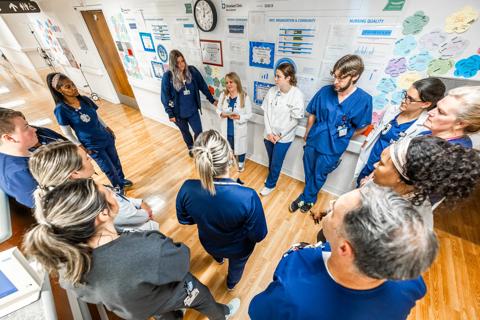
Norman incorporates diabetes education into morning huddles and posts it on a unit board. “A lot of our patients have diabetes, so the more I can educate our staff, the more education our patients receive,” she stresses.
Nurses use Cleveland Clinic’s in-house diabetes teaching website to further support and educate patients. The website includes guides to diabetes survival skills, healthy meal planning, insulin pumps and more. They also have access to nursing practice resources, such as think cards, videos and policies.
Norman conducts an average of three audits per month on her unit’s hypoglycemic patients and ensures blood glucose protocols are implemented and adhered to. Electronic logs are kept of activities, contributions, findings and feedback, including successes and opportunities for the teaching tool. Results are shared amongst the mentor group. Mentors also facilitate outpatient support with diabetes educators, nurse educators or other endocrinology caregivers.
Advertisement
A 2024 CDC study reported that only 52% of U.S. adults with diabetes receive formal education, further solidifying the value of programs that offer comfortable learning environments and that empower nurses to have crucial conversations with patients on education for self-care. At Cleveland Clinic, diabetes nurse educators and diabetes nurse mentors are integral to the overall quality of care patients receive.
“It's so important to have bedside nurses serving in the mentor role as diabetes care is very nuanced in the hospital,” Norman says. “Educating patients so that they can develop a routine and better understand what they need to do to promote a healthy lifestyle is very fulfilling.”
Sundberg agrees, “On a daily basis, I feel like I’m directly helping people — it’s so rewarding to see the moment when someone realizes how making a change can impact their health in a positive way.”
She adds: “The expertise our specialists possess is critical — not only for educating patients, but also for educating other healthcare professionals and improving their understanding of diabetes so we can provide the best support for those we care for.”
Advertisement
Advertisement
Translating clinical questions into meaningful, sustainable change
Guidance for creating a relevant framework that reflects organizational values, supports professional practice
Helping patients recognize respiratory changes, navigate treatment barriers and stay connected to their clinical team
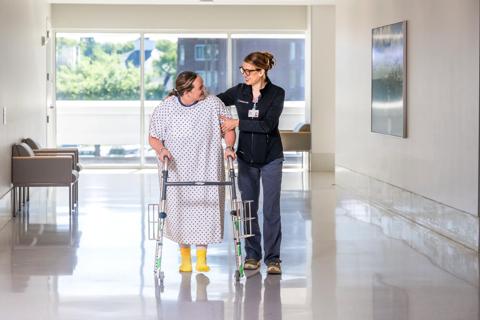
Initiative provides hands-on opportunities to promote early, progressive activity
Continuing to grow by following the right path at the right time
Teaching caregivers to recognize warning signs, de-escalate difficult situations and maintain professional boundaries

Veteran caregivers offer practical wisdom for building confidence and practicing with purpose
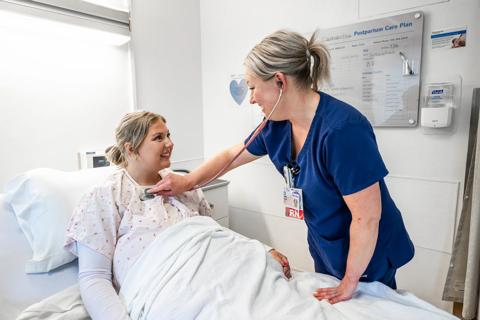
Skill, dedication and a passion for women and children inspire this joy-filled specialty
 Search