Locations:





New research focuses on modifiable risk factors like social isolation, depression and malnutrition
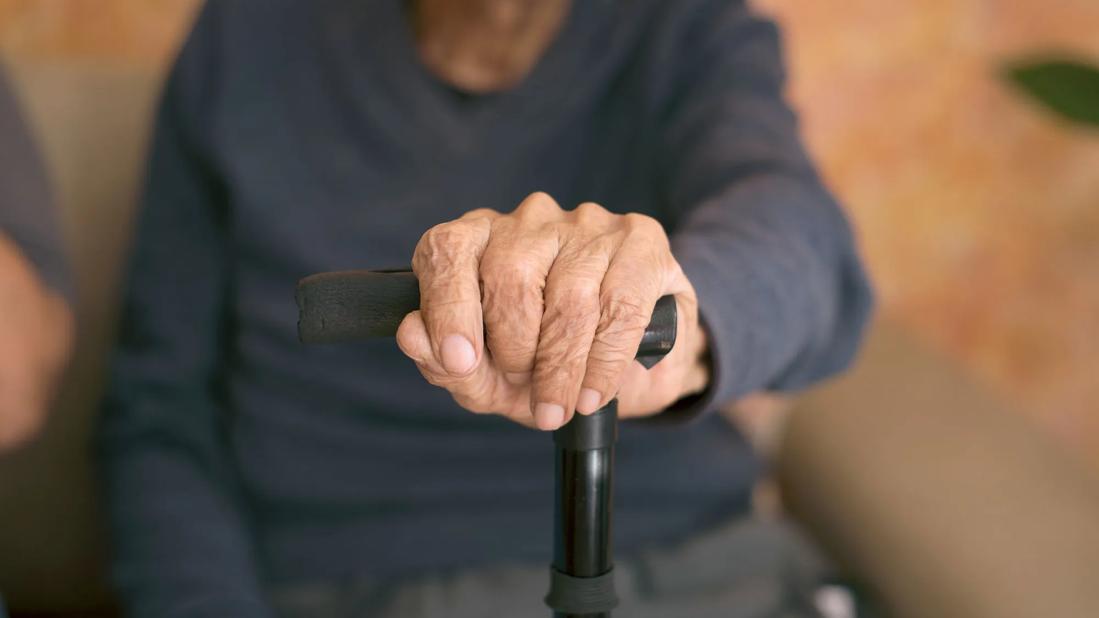
Image content: This image is available to view online.
View image online (https://assets.clevelandclinic.org/transform/ee0a8aed-fbbc-4d15-8893-fbe99d9a5fff/closeup-elderly-hands-cane-2206860292)
Hands of geriatric patient
Frailty remains one of the most complex and consequential syndromes affecting older adults, marked by diminished physiological reserve and increased vulnerability to stressors. A new Cleveland Clinic study takes an important step toward clarifying how clinicians — particularly nurses — can better identify the condition and intervene.
Advertisement
Cleveland Clinic is a non-profit academic medical center. Advertising on our site helps support our mission. We do not endorse non-Cleveland Clinic products or services. Policy
Published in Geriatric Nursing, the study represents the first empirical test of the Frailty Care Model, a nurse-developed framework designed to move beyond identifying frailty and toward actionable, individualized nursing interventions.
Frailty has traditionally been defined by its physical indicators, including weakness, fatigue, decreased mobility and weight loss. Although these markers can be useful for screening, they do little to guide targeted treatments, says lead author Lee Anne Siegmund, PhD, RN, ACSM-CEP, FAAN.
"Our population is aging, so we need to be laser-focused on the best treatments to help older adults maintain their independence,” she says. “For example, we know physical activity can help shield patients from chronic diseases and premature decline, but we don’t know which type of exercise is the most effective one to prescribe.”
In an effort to bridge these clinical gaps, Siegmund and her team sought to examine the relationships between frailty and a range of biological, psychological and social variables. At the core of the study was Cleveland Clinic’s Frailty Care Model, which conceptualizes frailty across three interconnected domains:
Advertisement
“The model provides a structured way to not only assess whether a patient is frail, but why — and what can be done about it,” she explains. “Rather than viewing the problem as an inevitable consequence of aging, the framework positions it as a dynamic condition — one that can be prevented, stabilized or even reversed with appropriate care.”
The researchers began by measuring the frailty of 336 community-dwelling adults aged 65 and older by evaluating patients’ self-reported symptoms over the last year.
An estimated 20.8% of survey respondents were classified as frail and 18.8% as pre-frail – statistics that align with global estimates of frailty prevalence. Frail participants were more likely to be female and have less education and a lower income. They were also less active compared to non-frail respondents (p<0.05).
Importantly, the cross-sectional, correlational study identified several key and potentially modifiable predictors of frailty. Subjects who lived alone had a 137% higher likelihood of frailty, while depression increased this risk by 20%. Participants at risk for malnutrition were more than five times as likely to be frail.
“These findings reinforce the fact that frailty is not solely a physical condition but a multidimensional syndrome shaped by overlapping risk factors,” notes Siegmund, a senior nurse scientist in Cleveland Clinic’s Office of Nursing Research and Innovation.
She adds that the identification of risk factors offers clear entry points for intervention and reflects a growing recognition that functional behaviors may be the most clinically important measures. She encourages clinicians to routinely screen at-risk patients for isolation and problematic living arrangements, depression and other mental health concerns, and malnutrition.
Advertisement
The study authors further emphasize the importance of early and proactive frailty care, noting that “nurses who care for patients who are depressed, demonstrating cognitive decline, inactive or malnourished should also be aware that any one of these factors can have an additive effect on frailty risk.”
The study’s findings prompted clinicians to refine their original 2022 frailty framework. Of note, the revised Frailty Care Model-2.0 lists low physical activity as a central predictor of frailty, replacing sarcopenia in the Susceptibility Sphere. The authors suggest that a sedentary lifestyle may serve as a “surrogate measure” for underlying muscle decline, representing a key opportunity for clinical care. They stress that even modest increases in activity may help prevent or reverse decline.
Siegmund and her team believe their findings may represent a shift in how frailty can be understood and managed in clinical practice. They hope future longitudinal studies will further validate the 2.0 model and inform specific, targeted treatments.
Advertisement
Advertisement
Howley ASPIRE Program prepares caregivers for the professional road ahead
Specialized training prepares caregivers to address the unique physical and emotional needs of young patients

Using meticulous preparation and teamwork to manage critically ill patients in constantly changing environments

Translating clinical questions into meaningful, sustainable change
Guidance for creating a relevant framework that reflects organizational values, supports professional practice

Helping patients recognize respiratory changes, navigate treatment barriers and stay connected to their clinical team
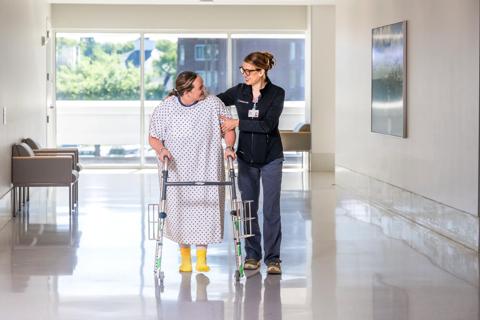
Initiative provides hands-on opportunities to promote early, progressive activity

Continuing to grow by following the right path at the right time
 Search