Locations:





Building resilience through collaboration and mutual respect
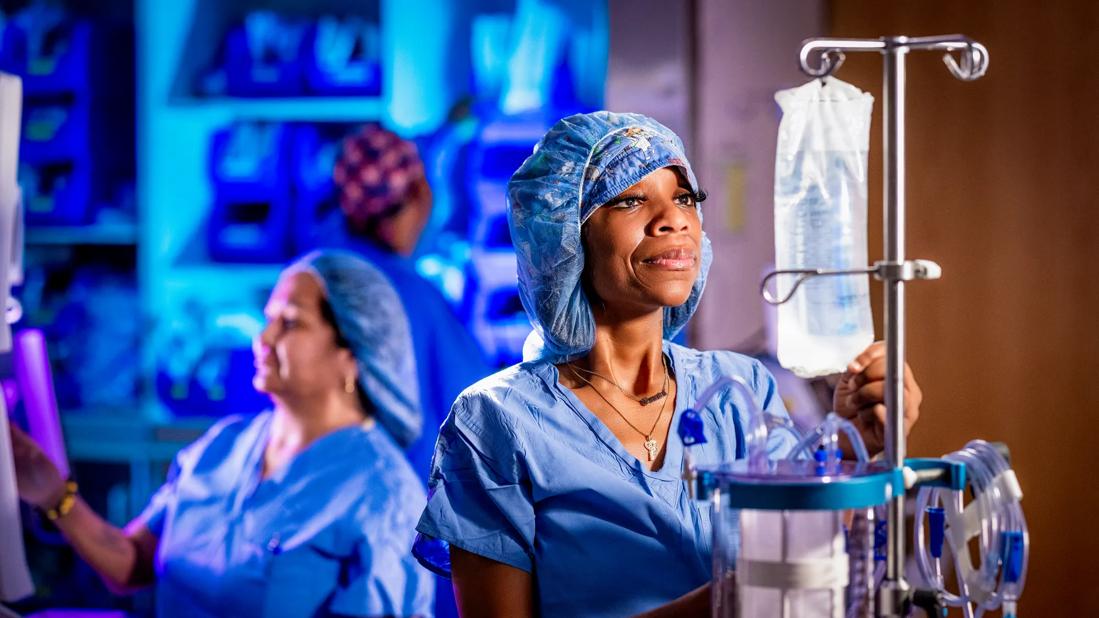
Image content: This image is available to view online.
View image online (https://assets.clevelandclinic.org/transform/c0b37215-968d-4aff-9842-9bfaee625842/PAI_5866358_03-26-25_012_LDJ)
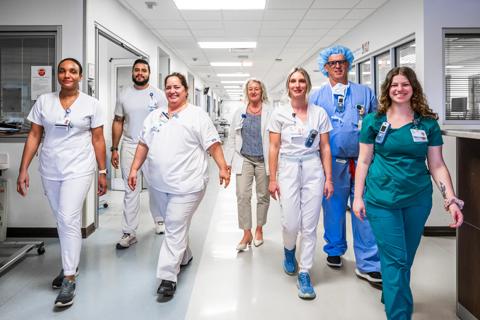
Nurses in OR
By Brad Borden, MD, Vice Chief of Staff at Cleveland Clinic and Chair of the Emergency Medicine Department at Main Campus
Advertisement
Cleveland Clinic is a non-profit academic medical center. Advertising on our site helps support our mission. We do not endorse non-Cleveland Clinic products or services. Policy
If there’s one thing emergency medicine has taught me, it’s that no one succeeds alone.
There’s no bigger team game in healthcare — or in any organization — than what happens when people come together to meet a challenge. Whether you’re caring for patients, supporting operations or leading from behind the scenes, teamwork is what keeps us moving forward.
Every day, I see how much we rely on one another to do our jobs well, stay calm under pressure and serve with empathy. The best teams aren’t built on titles or departments; they’re built on trust.
That mindset has carried us through some of the toughest years in modern healthcare. We’ve faced profound uncertainty, staffing shortages and new levels of stress.
What continues to inspire me is how caregivers across the organization rise to the occasion. We adapt. We keep showing up with respect for others and our profession, not because it’s easy, but because it matters.
As teams, we collaborate to create conditions where caregivers can thrive despite challenges. That means communicating clearly, recognizing effort, and helping each other acknowledge their connection to a shared purpose.
When we extend our collaboration between departments, we solve problems faster and make care better for everyone. Working as one team not only delivers better results; it builds stronger, more resilient people.
Advertisement
In the end, teamwork isn’t just how we get the job done. It’s how we bring out the best in one another.
Being self-aware and open to collaboration can help you bring your best self to your team. In addition, seek a deeper understanding of others to help you see and appreciate their perspectives.
Advertisement
Advertisement
Cleveland Clinic Children’s implemented an automated color-coded system to escalate timely care to prevent patient deterioration
Frontline listening and engagement are crucial
A look at how personal stories sparked an enterprise-wide cultural reset

Interdisciplinary program fosters high-performance teams

Embracing generational differences to create strong nursing teams

1:1 guidance benefits individuals and organization
Embrace coaching and other tips to be a stronger leader

Pediatric urologists lead quality improvement initiative, author systemwide guideline
 Search