Locations:





 Search
A sampling of noteworthy volume and outcome statistics
In 2019, Cleveland Clinic saw 411 patients referred for advanced heart failure and performed 6,290 electrophysiology (EP) lab procedures. The dynamic infographic below shares some key outcomes from those and other recent heart failure and EP cases. For more cardiovascular-related outcomes and volume data, visit clevelandclinic.org/hvtioutcomes or clevelandclinic.org/e15.
Advertisement
Cleveland Clinic is a non-profit academic medical center. Advertising on our site helps support our mission. We do not endorse non-Cleveland Clinic products or services. Policy
Advertisement
Advertisement
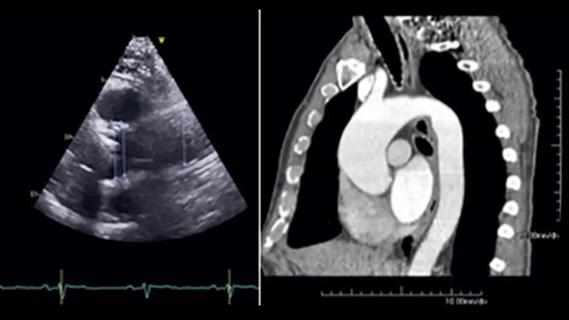
Large analysis adds to evidence that absolute diameter alone may miss vulnerable patients
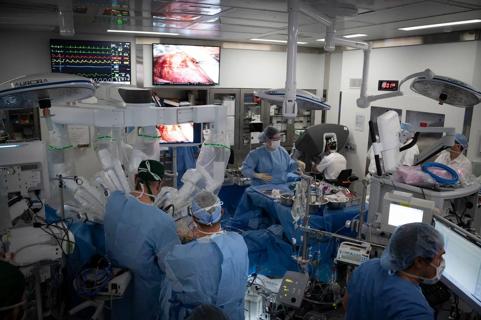
Procedure places the center among only a handful worldwide to offer the minimally invasive approach

Phase 1 trial shows up to 97% decrease through 48 weeks with good tolerability

Post hoc ALPACA analysis boosts biological rationale for ongoing outcomes trial of lepodisiran

Durability findings propel potential one-time treatment approach to phase 1b testing

Practical takeaways for the reality of overlapping cardiovascular, kidney and metabolic disease
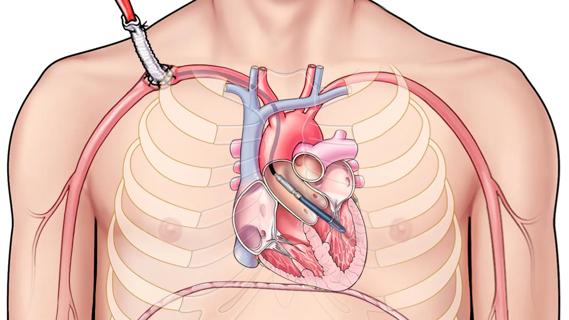
First prospective study shows early extubation and low vasoactive/inotropic medication use
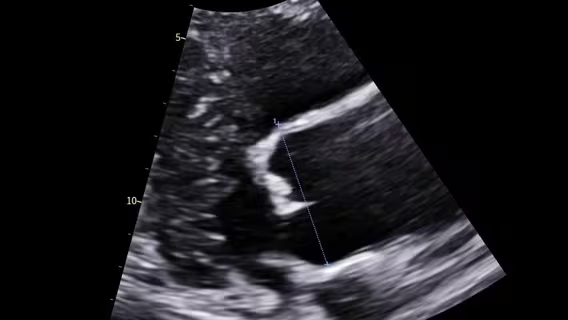
Height-indexed aortic measurements may better identify risk than diameter alone