Locations:





 Search
Biggest misconception: that nurses aren't appreciated
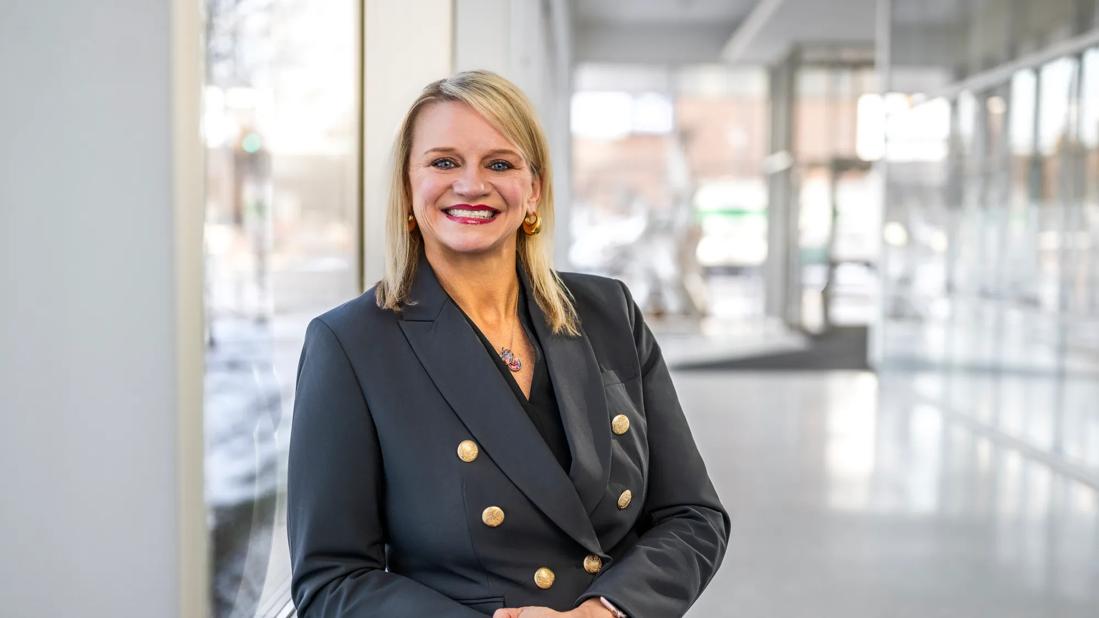
Image content: This image is available to view online.
View image online (https://assets.clevelandclinic.org/transform/f49eb30c-f41b-4318-8fdf-53f6ab0e7328/NUR_7115508_12-8-25_035_MLC)
Meredith Foxx
Throughout history, the nursing profession has faced an on-again / off-again perception problem. While nurses are seen as honest, caring and trusting, false stereotypes and misinformation have also depicted them as lacking influence, skill and autonomy.
Advertisement
Cleveland Clinic is a non-profit academic medical center. Advertising on our site helps support our mission. We do not endorse non-Cleveland Clinic products or services. Policy
In many ways, the pandemic opened the eyes of the public to the truth: Nurses hold a crucial and leading role in healthcare. In a rare glimpse behind health organization walls, people saw for themselves nurses’ critical thinking and decision-making in action. Nurses were painted in a new, more accurate light, showcasing nursing as the highly skilled profession it is, although most research indicates it’s too early to tell if the recent spotlight will have a long-term effect on public perceptions.
Consult QD interviewed Cleveland Clinic Executive Chief Nursing Officer Meredith Foxx, MSN, MBA, APRN, NEA-BC, to discuss today’s misconceptions about nursing and why it still is — and always will be — a great profession.
A. The biggest misconception is that nurses’ hard work isn’t realized or recognized by their leaders, patients or peers. Every day, nurses are excelling in their careers and achieving remarkable outcomes that are valued and appreciated, but media reports tend to stress the doom and gloom. Nurses will tell you that most days, those around them offer praise and thanks for the vital role they play in healthcare.
Nurses have been the most trusted of all professionals for two decades (according to Gallup) and that will continue. My family members and friends regularly ask me for medical and health advice. People close to nurses respect their education, expertise and training — and this is also true in the workplace. Nurses are looked at as respected, valued members of the caregiver team and their colleagues and leaders hold them in high regard.
Advertisement
A. There are no secrets. The rewards of being a nurse are endless because being a nurse is part of who you are, not just what you do. The ability to positively affect people’s lives and provide knowledgeable support for patients, their families and others is profoundly special, and this tends to be one of the primary reasons that people are drawn to the profession.
When I reflect on my career, the most rewarding moments are those when I saw my patients overcome and move on from what seemed like unsurmountable times to lead healthy lives. For example, the infant diagnosed with leukemia who sent me a college graduation picture 22 years later. Or the bone marrow transplant donor who became a nurse because she helped save her brother 10 years earlier. These are the true rewards of nursing.
A. True, nursing requires hard work, but lots of professions are hard. And, in what other profession can you make a difference in the lives of others from illness to wellness? Nursing is personally satisfying and humbling. A fellow nurse recently told me that what she appreciates most about our profession is connecting with patients on a human level, and I agree. The joy and happiness you feel is incredibly fulfilling.
Nursing is also very promising and offers endless opportunity. You build your knowledge and skills and grow and improve upon them every day. It’s an exciting profession that allows people to combine their love of caregiving with a variety of science fields.
A. Nurses’ contributions are vast. Their approach to care is holistic. They continuously recognize the needs of patients and families. They offer empathy and understanding. They possess the knowledge and skills to manage disease and illness. They understand how social determinants play a role in healing, are experts in preventive health and more.
Advertisement
Every day, the work of nurses affects change that advances healthcare. They are educators, researchers and innovators. They are experienced in quality improvement and trailblazers in continuous improvement. All nurses, at every level, are leaders, whether formal or informal.
A. Healthcare is one of many industries faced with the challenge of a limited workforce. In addition to an aging workforce and population, the great resignation has led people to reflect on life priorities. But interest in nursing among younger generations remains high. A recent survey by NurseJournal reported that despite concerns that the pandemic might diminish interest in nursing careers, enrollment in nursing bachelor’s programs has increased by 5.6% since 2020.
In the end, I believe nursing will come out on top. The pendulum will swing the other way, and nursing, a profession that is dedicated to caring for people, will be sought after. Nursing in the future will look different than it does today. The way care is delivered won’t be the same, thanks to telehealth and the use of technology. And the professional focus will shift back to population health and caring for patients across the full care continuum. In the meantime, nurse leaders need to lean heavily on innovation and alternate ways of thinking for acute and ambulatory care delivery to ensure professional nurses are utilized in the best ways.
A. Nurses should be proud of the care they deliver and the teams they work within. Every member of the caregiver team is needed to ensure high quality and safe patient care, especially nurses.
Advertisement
This quote from Former American Nurses Association President Margaretta Madden Styles, EdD, RN, FAAN, is one that sticks with me: “Imagine a world without nurses. Think of a world without persons who know what nurses know; who believe as nurses believe; who do what nurses do; who have the effect that nurses have on the health of individuals, families and the nation; who enjoy the trust that nurses enjoy from the American people. Imagine a world like that, a world without nurses.”
Advertisement
Advertisement
Nursing quality experts help drive policies and practices designed to meet the highest clinical standards
Innovative workforce strategy transforms nursing careers through education, flexibility and ongoing support

Caregivers reflect on shared purpose, evolving practice and the enduring heart of the nursing profession
Nurse manager turns a patient safety concern into a data-driven effort to improve protocols and inspire innovation

Caregivers use targeted strategies to help patients move confidently and reduce the risk of injury

Perioperative educator shares insights into training the next generation of OR nurses
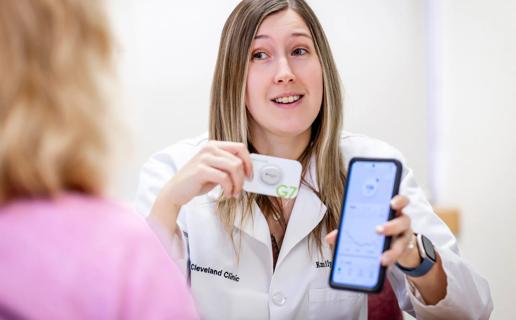
Expert nurses educate and support patients in managing diabetes for life
How reflecting on one’s “why” strengthens engagement, supports resilient teams and enhances patient care